Introduction
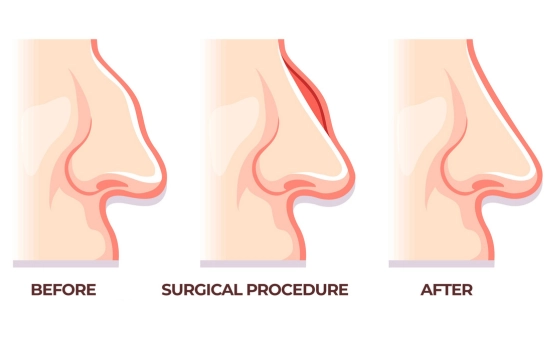
Nose correction, medically known as rhinoplasty or nasal reshaping, is one of the most popular cosmetic procedures worldwide. It helps improve the appearance, symmetry, and function of the nose. Whether someone wants a sharper nose bridge, a smaller tip, improved breathing, or overall facial harmony, modern nose correction techniques offer multiple solutions.
What Is Nose Correction?
Nose correction is a cosmetic or functional procedure performed to reshape the external structure of the nose or improve internal nasal function. It can be done surgically or non-surgically, depending on the patient’s goals.
Common reasons people choose nose correction include
- Reducing or increasing nose size
- Improving nasal symmetry
- Correcting a dorsal hump
- Reshaping wide or flared nostrils
- Refining the nasal tip
- Fixing a deviated septum
- Improving breathing or correcting structural defects
- Enhancing facial aesthetics
Types of Nose Correction Surgery Procedures
There are two main categories of nose correction
- Surgical Nose Correction (Rhinoplasty)
- Non-Surgical Nose Correction (Dermal Fillers)
Each type has its own advantages, recovery process, and ideal candidates.
- Surgical Nose Correction (Rhinoplasty)
Surgical rhinoplasty is a procedure performed by a plastic or cosmetic surgeon to reshape the nose permanently. It is ideal for people needing structural changes or functional improvements.
- Open Rhinoplasty :- Open rhinoplasty is one of the most commonly performed nose correction surgeries. It involves creating a small incision across the columella (the tissue between the nostrils). This gives the surgeon complete visibility of the underlying bone and cartilage.
Best for
- Complex nasal deformities
- Major reshaping of the nose
- Tip refinement
- Correcting crooked noses
- Revision surgeries
Benefits
- High precision
- Better control over nasal structure
- Long-lasting results
- Closed Rhinoplasty :- Closed rhinoplasty is performed through internal incisions inside the nostrils, leaving no visible scars. It is less invasive than open rhinoplasty and has a faster recovery time.
Best for
- Minor to moderate shape changes
- Smoothing small humps
- Refining the bridge
- Patients who want minimal downtime
Benefits
- No external scar
- Faster healing
- Less swelling
- Septorhinoplasty :- This combines septoplasty (correction of the nasal septum) with rhinoplasty. It improves both the appearance and breathing function.
Best for
- Deviated septum
- Breathing issues
- Structural deformities affecting airflow
- Patients seeking cosmetic and functional correction together
Benefits
- Better airflow
- Improved facial aesthetics
- Long-term relief from nasal obstruction
- Tip Rhinoplasty :- Tip rhinoplasty focuses only on reshaping the nasal tip. It can make the tip sharper, smaller, lifted, or more refined.
Best for
- Bulbous tip
- Drooping tip
- Enlarged tip cartilage
- Asymmetrical nasal tip
Benefits
- Shorter surgical time
- Quick recovery
- Natural-looking results
- Revision Rhinoplasty :- Revision or secondary rhinoplasty is performed when a person is unhappy with the results of a previous nose surgery, or if functional issues persist.
Best for
- Correcting previous surgical errors
- Breathing problems after the first surgery
- Enhancing cosmetic results
Benefits
- Improved symmetry
- Corrected structural problems
- Enhanced overall appearance
- Non-Surgical Nose Correction (Liquid Rhinoplasty)
Non-surgical rhinoplasty involves using dermal fillers like hyaluronic acid to reshape the nose without surgery. This procedure is quick, convenient, and minimally invasive.
How It Works
A cosmetic specialist injects fillers into specific points on the nose to
- Lift the nasal bridge
- Smooth small humps
- Correct asymmetry
- Improve nose shape
- Add definition
Best for
- Patients wanting temporary results
- People who want to avoid surgery
- Small cosmetic improvements
- Enhancing nose contour
Benefits
- No downtime
- Immediate results
- No anesthesia or incisions
- More affordable than surgery
Limitations
- Results last 9 to 18 months
- Cannot reduce nose size
- Not suitable for functional corrections
How to Choose the Right Type of Nose Correction
Choosing the right nose correction procedure depends on several factors
- Your Aesthetic Goals :- If you want subtle enhancements, non-surgical rhinoplasty may be enough. If you need major reshaping, surgical options are more suitable.
- Structural Issues :- Functional concerns like breathing difficulty require septorhinoplasty or surgical correction.
- Budget & Recovery Time :- Non-surgical rhinoplasty is budget-friendly with no downtime. Surgery requires recovery but gives permanent results.
- Surgeon’s Evaluation :- A qualified plastic surgeon will examine your nose shape, skin type, and expectations to recommend the ideal technique.
Conclusion
Nose correction offers a wide range of options, from minimally invasive fillers to advanced surgical rhinoplasty. Whether you want a sharper bridge, improved breathing, or a more refined nasal tip, there is a solution tailored to your needs.
By understanding the types of nose correction, you can make an informed decision and choose the best procedure for natural-looking, long-lasting results. If you’re considering nose reshaping, consult an experienced cosmetic surgeon to explore the right approach for your facial goals.