Introduction
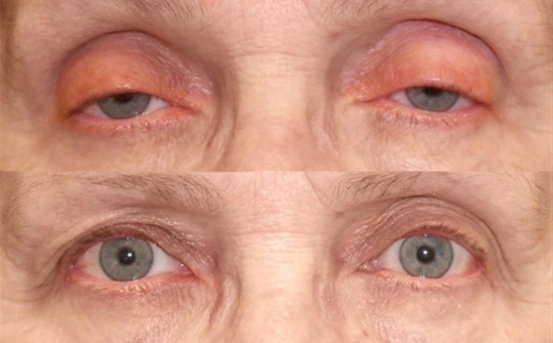
Ptosis, medically known as blepharoptosis, is a condition where the upper eyelid droops lower than its normal position. It may affect one eye (unilateral ptosis) or both eyes (bilateral ptosis). While mild cases may only cause a cosmetic concern, severe ptosis can block the visual field and significantly impact daily activities. Understanding the types of ptosis, their causes, and how they differ is essential for accurate diagnosis and effective treatment.
What Is Ptosis?
Ptosis occurs when the muscles responsible for lifting the upper eyelid fail to function properly. The primary muscle levator palpebrae superioris and the Müller’s muscle play crucial roles in eyelid elevation. Any weakness, nerve damage, or structural abnormality can disturb their function and lead to drooping.
Ptosis can appear at birth or develop later in life. The condition can also progress gradually or occur suddenly depending on the underlying cause. Recognizing the type of ptosis helps ophthalmologists determine the ideal treatment approach.
Types of Ptosis
- Congenital Ptosis :- Congenital ptosis is present from birth and is usually due to poor development of the levator muscle. This makes the eyelid muscle stiff and weak, resulting in inadequate lifting of the eyelid.
Key features
- Present at birth or shortly after
- Poor levator function
- Lid crease may be absent or poorly formed
- Often associated with compensatory eyebrow lifting or chin-up posture
Causes
- Developmental defect in levator muscle
- Genetic factors
- Rarely associated with syndromes like Marcus Gunn jaw-winking or Horner’s syndrome
Treatment
Children with congenital ptosis require regular monitoring. In cases where the drooping affects vision or causes amblyopia (lazy eye), surgical correction such as levator resection or frontalis sling is recommended.
- Acquired Ptosis :- Acquired ptosis develops later in life and is typically linked to aging, injury, neurological disorders, or systemic diseases. It is the most common type seen in adults. Acquired ptosis is further divided into several subtypes depending on the underlying mechanism:
- Aponeurotic Ptosis :- Also known as involutional ptosis, this is the most common form of ptosis in adults. It occurs when the levator aponeurosis (the tendon-like extension of the levator muscle) becomes stretched, thinned, or detached from the eyelid.
Common causes
- Natural aging
- Repeated eyelid rubbing
- Prolonged use of contact lenses
- Eye surgeries like cataract operations
Symptoms
- Eyelid drooping that worsens later in the day
- High or well-defined eyelid crease
- Normal levator muscle function
Treatment
Surgical tightening or reattachment of the levator aponeurosis provides excellent results.
- Neurogenic Ptosis :- Neurogenic ptosis occurs when the nerves controlling the eyelid muscles are impaired. This affects the brain’s ability to send signals to lift the eyelid.
Causes
- Horner’s Syndrome (damage to sympathetic nerves)
- Third Cranial Nerve (Oculomotor) palsy
- Neurological conditions like multiple sclerosis
- Stroke or brain tumors
Symptoms
- Sudden eyelid drooping
- Unequal pupil size in Horner’s syndrome
- Double vision in nerve palsy
- Limited eye movements
Treatment
Treatment focuses on addressing the underlying neurological cause. Surgery may be performed once the condition stabilizes.
- Myogenic Ptosis :- This type results from a problem within the eyelid muscles themselves. In myogenic ptosis, the levator muscle becomes weak due to muscular diseases or genetic disorders.
Causes
- Myasthenia Gravis, a neuromuscular autoimmune disease
- Progressive external ophthalmoplegia
- Muscular dystrophies
- Chronic myopathy
Symptoms
- Fluctuating eyelid drooping
- Fatigue-related worsening
- Weakness of other eye or facial muscles
Treatment
Medical therapy is crucial for conditions like Myasthenia Gravis. Surgical correction may be considered in stable cases.
- Mechanical Ptosis :- Mechanical ptosis happens when something physically weighs down the eyelid, preventing it from lifting properly.
Possible causes
- Eyelid tumors
- Cysts or chalazion
- Excess upper eyelid skin (dermatochalasis)
- Severe swelling due to infection or trauma
Treatment
Treatment depends on removing or reducing the mechanical weight such as excising a tumor or treating inflammation. Eyelid surgery may be performed for persistent cases.
- Traumatic Ptosis :- As the name suggests, traumatic ptosis results from injury to the eyelid muscles, aponeurosis, or nerves supplying the eyelid.
Types of trauma that may cause ptosis
- Blunt force injury
- Lacerations involving the eyelid
- Post-surgical trauma
- Orbital fractures
Treatment
Repairing torn muscles or aponeurosis through surgery is often necessary. In nerve-related trauma, some cases may improve naturally over time.
- Pseudoptosis (False Ptosis) :- Pseudoptosis is a condition where the eyelid appears droopy, but the eyelid muscles are normal. The illusion of ptosis is created by other eye or facial abnormalities.
Possible reasons
- Small eye (microphthalmos)
- Enophthalmos (sunken eye)
- Excess upper eyelid skin
- Contralateral eyelid retraction causing imbalance
Treatment
Correcting the underlying condition typically resolves the appearance of drooping.
How Is Ptosis Diagnosed?
A comprehensive eye examination is essential to determine the type and cause of ptosis. Diagnosis may include
- Eyelid position measurement
- Levator function assessment
- Pupil examination
- Neurological evaluation
- Imaging (MRI/CT) for suspected nerve issues
- Blood tests for autoimmune or muscular disorders
Accurate diagnosis ensures the best treatment outcome.
Treatment Options for Different Types of Ptosis
Treatment varies depending on the type and severity of ptosis
Non Surgical Options
- Medication for myasthenia gravis
- Ice test (diagnostic and temporarily helpful in MG)
- Ptosis crutches fitted on eyeglasses
Surgical Options
- Levator resection for moderate ptosis
- Frontalis sling for severe levator weakness
- Aponeurotic repair for involutional ptosis
- Eyelid skin removal in mechanical ptosis due to dermatochalasis
Surgery provides long-lasting correction and restores both function and facial aesthetics.
Conclusion
Understanding the different types of ptosis is crucial for early detection and proper treatment. Whether congenital or acquired, ptosis can significantly affect appearance, comfort, and vision. Consulting an ophthalmologist at the earliest signs of eyelid drooping ensures accurate diagnosis and timely management.