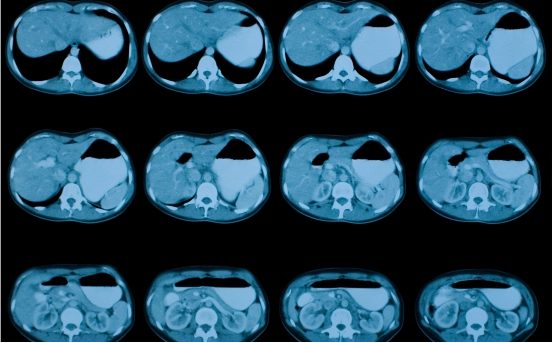
Splenectomy plays a crucial role in maintaining immune function and filtering blood. However, in certain medical conditions, removal of the spleen called splenectomy becomes necessary. Depending on the patient’s condition, overall health, and the underlying reason for spleen removal, surgeons may opt for different types of splenectomy procedures. Understanding the various types of splenectomy can help patients and caregivers make informed decisions about their treatment options.
Splenectomy is a surgical procedure that may be required due to trauma, blood-related disorders, certain cancers, infections, or autoimmune diseases. The goal of the surgery is to either partially or completely remove the spleen, depending on the nature and severity of the underlying condition. Thanks to advancements in surgical techniques, there are now several types of splenectomy procedures available each tailored to meet different clinical needs and patient profiles.
What is Splenectomy?
A splenectomy is a surgical procedure to remove all or part of the spleen. The spleen is a small organ located in the upper left side of the abdomen, just under the ribcage. It plays a vital role in filtering old and damaged red blood cells, storing white blood cells and platelets, and supporting the body’s immune system.
Splenectomy is typically performed to treat conditions such as trauma to the spleen, certain blood disorders, cancers, or an enlarged spleen (splenomegaly) that causes complications. Depending on the case, either a total splenectomy or partial splenectomy may be performed, using open or laparoscopic methods.
Types of Splenectomy
-
Total Splenectomy :- Total splenectomy involves the complete removal of the spleen. This is the most commonly performed type of splenectomy and is typically recommended when the spleen is severely damaged or affected by disease.
When is Total Splenectomy Recommended?
-
Ruptured spleen due to trauma or injury
-
Blood disorders like hereditary spherocytosis, thalassemia, or immune thrombocytopenia (ITP)
-
Certain cancers like lymphoma or leukemia that affect the spleen
-
Hypersplenism (overactive spleen) causing destruction of blood cells
Surgical Techniques :- Total splenectomy can be performed using either of the following approaches :-
-
Open Surgery: Involves a large incision in the abdomen. This method is often chosen for emergency cases or when the spleen is significantly enlarged.
-
Laparoscopic Surgery: A minimally invasive technique using small incisions and a camera. This approach offers faster recovery, less pain, and minimal scarring.
-
-
Partial Splenectomy :- Partial splenectomy refers to the removal of only a portion of the spleen, preserving some of its function. This type of procedure is less common but may be preferred when complete spleen removal is unnecessary or potentially harmful to the immune system.
When is Partial Splenectomy Considered?
-
Localized trauma affecting only part of the spleen
-
Non cancerous cysts or tumors confined to one region of the spleen
-
Patients with conditions where immune function needs to be preserved, especially in children
Benefits of Partial Splenectomy :- The key advantage of partial splenectomy is the retention of some spleen function, which reduces the risk of post splenectomy infections. It’s especially beneficial in pediatric cases or in patients with mild trauma.
-
-
Laparoscopic Splenectomy :- Laparoscopic splenectomy is a minimally invasive procedure where small incisions are made in the abdomen, and surgical instruments are inserted through trocars guided by a laparoscope (a small camera). It is considered the preferred approach for most elective splenectomies.
Key Advantages
-
Less postoperative pain
-
Shorter hospital stay
-
Faster return to normal activities
-
Minimal scarring
When Is It Used?
Laparoscopic splenectomy is ideal for :-
-
Patients with ITP or hereditary spherocytosis
-
Smaller spleens (non enlarged)
-
Elective, non emergency splenectomy procedures
However, if the spleen is very large or there are complications such as internal bleeding, open surgery may be a safer option.
-
-
Open Splenectomy :- Open splenectomy is the traditional approach involving a larger abdominal incision. Though more invasive, it remains necessary in specific cases where laparoscopic access is either unsafe or impractical.
Indications for Open Splenectomy
-
Emergency trauma with active bleeding
-
Splenic tumors or cysts of large size
-
Severely enlarged spleens
-
Dense scar tissue or adhesions from previous surgeries
Despite a longer recovery time, open splenectomy offers the surgeon better visibility and control, especially during emergencies or complex cases.
-
- Emergency Splenectomy :- An emergency splenectomy is performed when the spleen ruptures due to injury, often from blunt abdominal trauma (e.g., car accidents, sports injuries). A ruptured spleen can cause internal bleeding, which may be life threatening.
Surgical Approach
Emergency splenectomy is almost always performed using the open surgery method to allow quick access and control bleeding effectively. In some cases, surgeons may also perform damage control surgery, followed by definitive treatment later.
Choosing the Right Type of Splenectomy
The decision to undergo a specific type of splenectomy depends on multiple factors, including :-
-
The underlying cause (trauma, disease, or disorder)
-
Size and condition of the spleen
-
Age and immune status of the patient
-
Urgency of the situation (emergency vs elective)
-
Surgeon’s expertise and hospital facilities
Your healthcare provider will perform imaging tests like an abdominal ultrasound or CT scan and assess your medical history before recommending the most suitable procedure.
Life After Splenectomy: What to Expect?
While living without a spleen is possible, the body becomes more susceptible to certain infections. To minimize risks, patients are usually advised to :-
-
Get vaccinated against pneumococcal, meningococcal, and Haemophilus influenzae type B (Hib) infections
-
Take preventive antibiotics in some cases
-
Monitor for signs of infection and seek medical attention promptly
-
Follow post-surgical care and attend follow-up appointments
Recovery times vary depending on the type of surgery. Laparoscopic splenectomy may allow patients to return to work in 1–2 weeks, whereas open surgery may take longer.
Conclusion
Splenectomy can be a life saving or health improving procedure in many conditions. Understanding the types of splenectomy total, partial, laparoscopic, open, and emergency can help patients feel more informed and empowered about their treatment journey. Each method has unique benefits, risks, and recovery profiles.