Trauma surgery is a critical medical specialty focused on the treatment of injuries caused by impact forces, accidents, and violence. It deals with life-threatening injuries that require immediate and skilled intervention. Trauma surgeons are often the first line of defense in emergencies, working rapidly to stabilize patients and perform necessary procedures to save lives. The scope of trauma surgery is wide-ranging and includes many different types of surgical interventions depending on the nature and location of the injury.
Understanding the various types of trauma surgery is essential for grasping the complexity of emergency medical care. Each type is designed to address a specific region of the body or kind of injury. This blog explores the main categories of trauma surgery, how they are performed, and the situations that typically call for each one.
-
Abdominal Trauma Surgery
Abdominal trauma is among the most common forms of injury requiring surgical intervention. This includes damage to internal organs such as the liver, spleen, intestines, kidneys, and pancreas. These injuries can be caused by blunt force trauma such as car accidents or falls, or by penetrating injuries like stabbings and gunshot wounds.
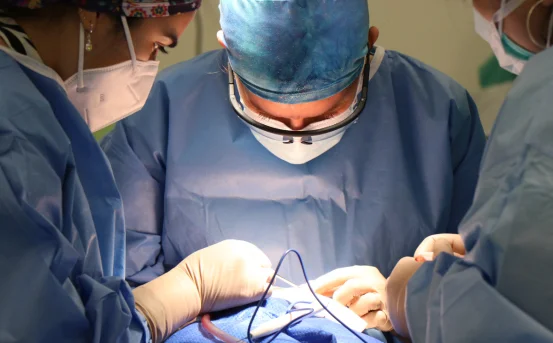
When a patient suffers abdominal trauma, surgeons often perform exploratory laparotomy. This is a surgical procedure where the abdomen is opened to identify and repair the source of internal bleeding or organ damage. Rapid assessment and treatment are essential, as delays can lead to life-threatening complications like peritonitis or septic shock.
-
Thoracic Trauma Surgery
Thoracic trauma refers to injuries of the chest cavity, including the heart, lungs, esophagus, and major blood vessels. This type of trauma is often caused by motor vehicle collisions, crush injuries, or violent acts such as shootings. Injuries in this area are particularly dangerous due to the vital organs involved.
Common thoracic surgical interventions include thoracotomy, which allows surgeons to access the chest cavity and repair damaged structures. Procedures may involve repairing lung lacerations, controlling bleeding from the heart or vessels, or relieving pressure caused by air or blood accumulating in the pleural space. In some cases, minimally invasive procedures such as video-assisted thoracoscopic surgery may be employed.
-
Orthopedic Trauma Surgery
Orthopedic trauma involves injuries to the musculoskeletal system, which includes bones, joints, ligaments, tendons, and muscles. These injuries are often the result of high-impact accidents, sports injuries, or falls. Unlike elective orthopedic surgeries that can be scheduled in advance, trauma-related surgeries are often urgent.
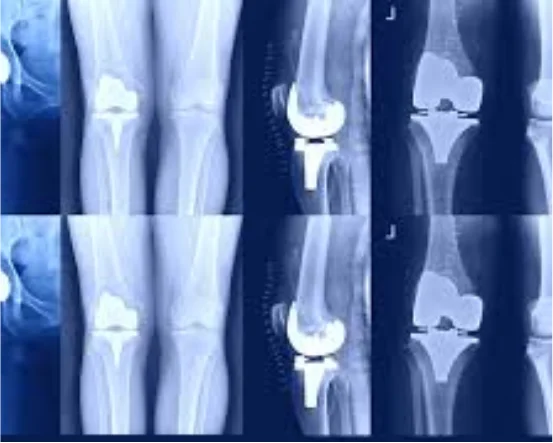
Orthopedic trauma surgeons perform procedures such as fracture fixation using plates, screws, or rods to stabilize broken bones. In more severe cases, joint reconstruction or replacement may be required. Soft tissue injuries are also addressed during these surgeries to ensure proper healing and function of the limbs.
-
Cranial and Neurosurgical Trauma
Head trauma is among the most serious injuries that can occur, as it involves the brain and central nervous system. Traumatic brain injuries can result from blows to the head, falls, or penetrating injuries. These injuries require swift surgical assessment and treatment to reduce intracranial pressure, remove blood clots, or repair skull fractures.
Neurosurgeons may perform craniotomies, which involve removing a portion of the skull to access the brain and treat bleeding, swelling, or damaged tissue. In severe cases, decompressive surgery may be used to relieve pressure inside the skull, which can prevent further brain damage and improve the chances of recovery.
-
Facial and Maxillofacial Trauma Surgery
Facial trauma includes injuries to the face, jaw, and oral cavity. These injuries may result from blunt force, falls, or violence. Maxillofacial trauma often requires complex reconstruction to restore function and appearance. Damage to the jaw, cheekbones, nasal structures, or eye sockets can affect breathing, vision, and speech.
Trauma surgeons specializing in this area may use both cosmetic and reconstructive techniques. This can include wiring the jaw shut to allow healing, repairing orbital fractures, or using implants to restore facial contours. The goals of these surgeries are not only to heal physical injuries but also to preserve the patient’s identity and confidence.
-
Vascular Trauma Surgery
Injuries to blood vessels are extremely dangerous due to the risk of rapid blood loss. Vascular trauma can occur anywhere in the body and may be caused by lacerations, crush injuries, or penetrating wounds. These injuries require precise surgical techniques to restore blood flow and prevent tissue death.
Vascular surgeons may perform bypasses, grafts, or direct repair of the injured vessels. They often work alongside other trauma specialists to ensure that organs and tissues downstream from the injury receive adequate blood supply. Speed and precision are vital to the success of these operations.
-
Urological and Genitourinary Trauma Surgery
Trauma to the kidneys, bladder, urethra, or reproductive organs can occur in both men and women due to blunt trauma, falls, or accidents. These injuries are often associated with pelvic fractures or abdominal trauma and can lead to internal bleeding or infection if not promptly treated.
Surgeries in this category may involve repairing ruptured organs, controlling bleeding, or removing damaged tissue. In some cases, temporary catheters or drains are placed to facilitate healing. Urologists and trauma surgeons may work together to ensure that long-term function and reproductive capabilities are preserved when possible.
-
Pediatric Trauma Surgery
Children are not just small adults. Their bodies react differently to trauma and often require specialized care. Pediatric trauma surgeons are trained to manage injuries in infants, children, and adolescents. Common sources of trauma in children include falls, motor vehicle collisions, and sports injuries.
Pediatric trauma surgeries may involve similar techniques to those used in adults, but the approach is tailored to the child’s developmental stage. Surgeons must be especially cautious about growth plates in bones and the long-term implications of surgical intervention.
-
Burn and Soft Tissue Trauma Surgery
Burns and soft tissue injuries present unique challenges. These injuries can affect skin, fat, muscle, and connective tissue and are often accompanied by significant pain, infection risk, and functional impairment. Burn trauma can be caused by thermal, chemical, or electrical sources.
Surgical management may include debridement to remove dead tissue, skin grafting, and reconstructive procedures to restore mobility and appearance. These surgeries are often staged, meaning that multiple procedures are performed over time to achieve full recovery.
Conclusion
Trauma surgery encompasses a vast and diverse field of emergency medicine, with specialists trained to manage nearly every type of physical injury imaginable. Whether it’s saving a life in the operating room after a car accident or repairing complex fractures and tissue damage, trauma surgeons play a vital role in emergency care systems. Each type of trauma surgery comes with its own challenges, techniques, and life-saving potential.
Understanding these different categories not only highlights the complexity of trauma care but also deepens appreciation for the medical professionals who perform these critical procedures. As medical technology advances and surgical methods evolve, the field of trauma surgery continues to push the boundaries of what is possible in saving lives and restoring health.