Introduction
Aortic arch disease refers to a group of serious conditions affecting the aortic arch, the curved portion of the aorta that carries oxygen-rich blood from the heart to the brain, neck, and upper limbs. The aorta is the body’s main artery, and any disorder involving the aortic arch can have significant consequences on blood circulation and overall cardiovascular health. Because this region supplies blood to vital organs, diseases of the aortic arch are considered complex and potentially life-threatening if not diagnosed and managed appropriately.
Aortic arch disease may develop gradually or suddenly, often progressing silently until symptoms become severe. Early recognition and timely treatment are crucial to prevent complications such as stroke, organ damage, or rupture. Advances in imaging techniques, surgical methods, and endovascular procedures have significantly improved outcomes for patients with this condition.
Understanding an Aortic Arch Disease
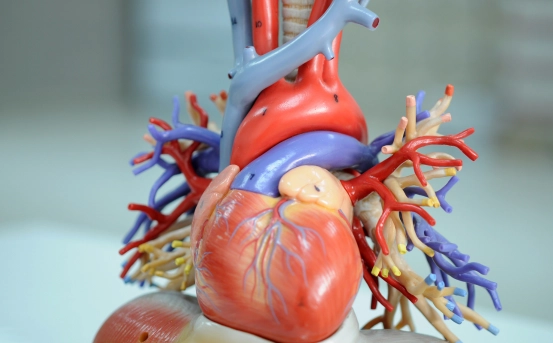
The aortic arch is located in the upper chest and curves backward before descending through the chest and abdomen. It gives rise to major arteries that supply blood to the brain and upper extremities. When the structure or function of this segment of the aorta is compromised, blood flow may become disrupted, placing strain on the heart and reducing oxygen delivery to essential organs.
Aortic arch disease can involve changes in the vessel wall, narrowing of the artery, weakening of its structure, or abnormal blood flow patterns. These changes may occur due to long-standing cardiovascular conditions, age-related degeneration, or inflammatory processes. Because the aortic arch plays such a central role in circulation, even minor abnormalities can have widespread effects on the body.
Causes and Risk Factors
Several factors contribute to the development of aortic arch disease. Chronic high blood pressure is one of the most significant contributors, as it places constant stress on the arterial walls, leading to gradual damage over time. Atherosclerosis, characterized by the buildup of fatty plaques within blood vessels, can also affect the aortic arch and interfere with normal blood flow.
Other contributing factors include connective tissue disorders, chronic inflammation, trauma to the chest, and infections involving the blood vessels. Age is another important risk factor, as the elasticity of the aorta decreases over time, making it more vulnerable to disease. Lifestyle factors such as smoking, poor diet, lack of physical activity, and uncontrolled diabetes further increase the risk.
Symptoms of Aortic Arch Disease
The symptoms of aortic arch disease vary depending on the severity and progression of the condition. In many cases, patients may remain asymptomatic in the early stages. As the disease advances, symptoms may become more noticeable and concerning.
Common symptoms include chest pain or discomfort, shortness of breath, fatigue, dizziness, and difficulty swallowing. Reduced blood flow to the brain may lead to neurological symptoms such as headaches, blurred vision, confusion, or weakness in the arms. In severe cases, sudden onset of intense chest or back pain may indicate a medical emergency requiring immediate attention.
Because symptoms can be vague or resemble other cardiovascular conditions, aortic arch disease is often detected during imaging studies performed for unrelated reasons.
Diagnosis and Evaluation
Accurate diagnosis of aortic arch disease requires a thorough clinical evaluation combined with advanced imaging techniques. Physicians begin by reviewing the patient’s medical history, assessing risk factors, and performing a physical examination to detect abnormal heart sounds or differences in blood pressure between limbs.
Imaging studies play a critical role in diagnosis. Computed tomography (CT) scans and magnetic resonance imaging (MRI) provide detailed images of the aorta, allowing doctors to assess the structure, size, and integrity of the aortic arch. Echocardiography may also be used to evaluate heart function and blood flow patterns. In some cases, angiography is performed to visualize the blood vessels more precisely.
Early diagnosis is essential to guide appropriate treatment and prevent complications.
Treatment and Management
The management of aortic arch disease depends on the severity of the condition, the presence of symptoms, and the patient’s overall health. In mild or stable cases, treatment may focus on controlling risk factors and preventing progression. This includes managing blood pressure, lowering cholesterol levels, quitting smoking, and adopting a heart-healthy lifestyle.
Medications are commonly prescribed to reduce strain on the aorta and improve cardiovascular function. Regular monitoring through imaging studies is essential to track changes in the aortic arch over time.
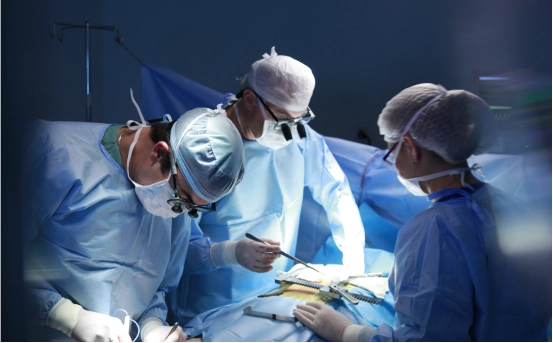
In more advanced cases, medical therapy alone may not be sufficient. Surgical or minimally invasive interventions may be required to restore normal blood flow, reinforce weakened areas of the aorta, or prevent life-threatening complications. These procedures are complex and are typically performed at specialized centers by experienced cardiovascular surgeons.
Potential Complications
If left untreated, aortic arch disease can lead to serious complications. Reduced blood flow to the brain increases the risk of stroke, while compromised circulation to other organs can result in organ dysfunction. Structural weakness of the aorta may progress to rupture, which is a life-threatening emergency.
Other complications include heart failure due to increased workload on the heart and chronic pain or disability resulting from impaired circulation. These risks highlight the importance of early detection and consistent medical follow-up.
Recovery and Long-Term Outlook
The prognosis for patients with aortic arch disease has improved significantly with modern diagnostic tools and treatment options. Long-term outcomes depend on early diagnosis, effective management of underlying risk factors, and adherence to medical advice.
Patients are encouraged to maintain regular follow-up appointments, undergo periodic imaging studies, and continue lifestyle modifications to support vascular health. With proper care, many individuals can lead active, fulfilling lives while managing their condition.
Conclusion
Aortic arch disease is a serious cardiovascular condition that affects one of the most vital arteries in the body. Due to the aortic arch’s role in supplying blood to the brain and upper body, any abnormality in this region demands careful attention. While the disease may develop silently, its potential complications make early diagnosis and timely treatment essential.
Through advancements in medical imaging, improved surgical techniques, and comprehensive long-term care, patients with aortic arch disease now have better outcomes than ever before. Awareness, regular health checkups, and prompt medical intervention remain the key to preventing complications and preserving quality of life.