Introduction
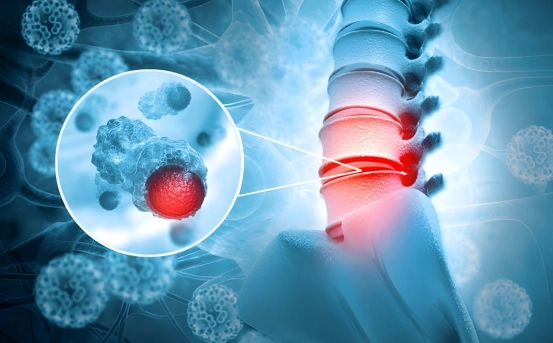
Bone and soft tissue cancer refers to a group of rare but serious cancers that develop in the bones or the tissues that connect, support, and surround other structures of the body. These tissues include muscles, fat, blood vessels, nerves, tendons, and ligaments. Although these cancers are uncommon compared to other forms of cancer, they can affect people of all ages and may occur in any part of the body. Early detection and appropriate treatment play a crucial role in improving outcomes and preserving function.
Bone and soft tissue cancers can grow silently in their early stages, often producing minimal or vague symptoms. As the disease progresses, it may cause pain, swelling, or noticeable masses that interfere with normal movement or daily activities. Because these symptoms can resemble non-cancerous conditions, diagnosis is sometimes delayed, highlighting the importance of awareness and timely medical evaluation.
Understanding Bone and Soft Tissue Cancer
Bone and soft tissue cancer occurs when cells within bone or connective tissues begin to grow uncontrollably due to genetic mutations. These abnormal cells do not follow the normal lifecycle of healthy cells, allowing them to multiply rapidly and invade surrounding tissues. Over time, the cancer may spread to nearby structures or distant organs if left untreated. Unlike cancers that begin in organs such as the lungs or liver, bone and soft tissue cancers often originate deep within the body. This can make them harder to detect early, especially when they develop in areas with plenty of space to grow before causing noticeable symptoms. The behavior of these cancers varies depending on their location, size, and biological characteristics, making individualized treatment planning essential.
Causes and Risk Factors
The exact cause of bone and soft tissue cancer is not always known, but several factors may increase the risk of developing these cancers. Genetic mutations either inherited or acquired over time play a central role. Some individuals may be born with genetic conditions that predispose them to abnormal cell growth. Previous exposure to radiation therapy, especially at a young age, has been associated with an increased risk of developing cancer in the treated area later in life. Certain chronic conditions, long-standing inflammation, or previous injuries to bones and soft tissues may also contribute, although a direct cause-and-effect relationship is not always clear. Environmental exposures, immune system disorders, and age-related cellular changes may further increase susceptibility. However, many people diagnosed with bone or soft tissue cancer have no identifiable risk factors, underscoring the unpredictable nature of the disease.
Common Symptoms
Symptoms of bone and soft tissue cancer often develop gradually and may worsen over time. One of the most common warning signs is persistent pain that does not improve with rest or standard treatment. This pain may become more noticeable at night or during physical activity. Swelling or the presence of a lump or mass is another common symptom. These masses may feel firm or tender and can grow steadily in size. In some cases, the overlying skin may appear stretched or warm. Other symptoms may include reduced range of motion, weakness in the affected area, unexplained weight loss, fatigue, or fractures occurring with minimal injury. Because these symptoms can mimic benign conditions, it is important to seek medical attention if they persist or worsen.
Diagnosis
Diagnosing bone and soft tissue cancer requires a thorough evaluation by a medical specialist. The process typically begins with a detailed medical history and physical examination, focusing on the location, size, and characteristics of the affected area. Imaging studies such as X-rays, MRI scans, CT scans, or PET scans are commonly used to assess the size of the tumor, its relationship to nearby structures, and whether it has spread. These imaging techniques provide valuable information for diagnosis and treatment planning. A biopsy is usually necessary to confirm cancer. During this procedure, a small sample of tissue is removed and examined under a microscope by a pathologist. The biopsy helps determine the nature of the tumor and guides decisions about the most appropriate treatment approach.
Treatment Approach
The treatment of bone and soft tissue cancer is highly individualized and depends on factors such as the size and location of the tumor, overall health of the patient, and whether the cancer has spread. Treatment often involves a combination of approaches aimed at removing or destroying cancer cells while preserving as much normal tissue and function as possible. Surgery is frequently a key component of treatment, with the goal of removing the tumor completely while maintaining limb function and quality of life. Advances in surgical techniques have significantly reduced the need for radical procedures and improved functional outcomes. Radiation therapy may be used before or after surgery to shrink tumors or eliminate remaining cancer cells. Chemotherapy or targeted therapies may also be recommended in certain cases to control tumor growth or reduce the risk of recurrence.
Recovery and Rehabilitation
Recovery from bone and soft tissue cancer treatment can be a gradual process that requires physical, emotional, and psychological support. Rehabilitation plays a vital role in helping patients regain strength, mobility, and independence following treatment. Physical therapy may be recommended to restore movement and reduce stiffness, especially after surgery. Pain management, nutritional support, and emotional counseling are also important aspects of recovery. Many patients benefit from support groups or counseling services to help cope with the emotional challenges associated with cancer diagnosis and treatment. Regular follow-up appointments are essential to monitor healing, assess for recurrence, and manage any long-term effects of treatment.
Prevention and Early Detection
While there is no guaranteed way to prevent bone and soft tissue cancer, early detection significantly improves treatment outcomes. Being attentive to persistent pain, unexplained swelling, or changes in physical function can lead to earlier diagnosis. Individuals with known risk factors or a history of radiation exposure should maintain regular medical check-ups. Prompt evaluation of suspicious symptoms allows for timely intervention and reduces the likelihood of complications.
Conclusion
Bone and soft tissue cancer is a complex and rare condition that requires specialized medical care and a multidisciplinary treatment approach. Although it can present challenges due to delayed symptoms and diagnostic complexity, advances in imaging, surgery, and supportive therapies have greatly improved patient outcomes.
Early recognition of symptoms, accurate diagnosis, and personalized treatment are key to managing the disease effectively. With proper medical care, rehabilitation, and ongoing support, many individuals with bone and soft tissue cancer can achieve improved function, better quality of life, and long-term disease control.