Introduction
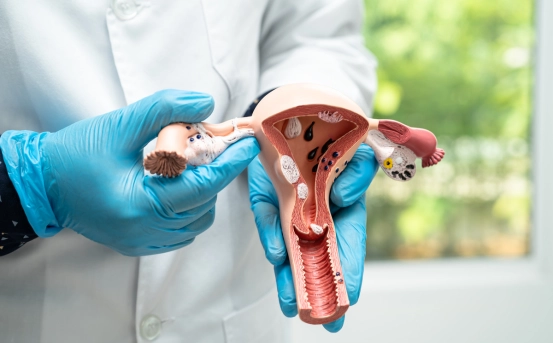
A congenital anomaly of the uterus refers to a structural abnormality of the uterus that is present from birth. These anomalies occur due to improper development of the female reproductive system during fetal life. While some women with uterine anomalies may remain asymptomatic throughout their lives, others may experience reproductive, gynecological, or obstetric complications. Advances in diagnostic imaging and gynecological care have improved the detection and management of these conditions, allowing affected women to achieve better reproductive outcomes and quality of life.
Understanding congenital uterine anomalies is essential, particularly for women facing infertility, recurrent pregnancy loss, menstrual irregularities, or complications during pregnancy. Early diagnosis and appropriate medical guidance play a crucial role in managing these conditions effectively.
Development of the Uterus and Origin of Anomalies
The uterus develops during early fetal life from paired structures known as Müllerian ducts. These ducts undergo a series of steps involving formation, fusion, and resorption to create a normally shaped uterus. Any disruption during this developmental process can result in a congenital uterine anomaly. The cause of such disruption is often unknown, but genetic factors, environmental influences, or exposure to certain medications during pregnancy may contribute. Because these anomalies develop before birth, they are not preventable. However, awareness and timely medical intervention can significantly reduce their impact on reproductive health.
Prevalence and Awareness
Congenital uterine anomalies are relatively uncommon in the general population, but their prevalence is higher among women with infertility or repeated pregnancy complications. Many women remain unaware of their condition until they undergo investigations for delayed conception, recurrent miscarriages, or pregnancy-related difficulties. In some cases, anomalies are discovered incidentally during imaging studies performed for unrelated gynecological concerns. Increased awareness among healthcare providers and patients has led to more frequent diagnosis, allowing for better planning and management of reproductive health.
Symptoms and Clinical Presentation
The symptoms of a congenital uterine anomaly vary widely depending on the degree of structural variation and associated complications. Some women experience no symptoms at all and may have normal menstrual cycles and successful pregnancies. Others may present with noticeable clinical concerns. Common symptoms include menstrual irregularities such as heavy bleeding, painful periods, or irregular cycles. Pelvic pain, especially during menstruation or sexual intercourse, may also occur. Reproductive issues such as difficulty conceiving, repeated miscarriages, preterm labor, or abnormal fetal positioning during pregnancy are among the most significant clinical concerns associated with uterine anomalies. In certain cases, associated abnormalities of the cervix, vagina, or urinary system may also be present, leading to additional symptoms.
Diagnosis and Evaluation
Accurate diagnosis of a congenital uterine anomaly is essential for proper management. A detailed medical history and physical examination are the first steps in evaluation. Imaging techniques play a key role in confirming the diagnosis and assessing the uterine structure. Ultrasound is often the initial imaging modality due to its accessibility and non-invasive nature. Advanced imaging techniques such as magnetic resonance imaging (MRI) provide detailed visualization of uterine anatomy and are considered highly accurate. In some cases, hysteroscopy or laparoscopy may be performed to directly examine the uterine cavity and external contours. Early and precise diagnosis helps clinicians tailor treatment plans and provide appropriate counseling regarding fertility and pregnancy outcomes.
Impact on Fertility and Pregnancy
Congenital anomalies of the uterus can have varying effects on fertility and pregnancy. Some women conceive naturally and carry pregnancies to term without complications, while others face challenges. Reduced uterine capacity, altered blood supply, or abnormal implantation environments may contribute to infertility or pregnancy loss. During pregnancy, women with uterine anomalies may have a higher risk of complications such as miscarriage, preterm labor, abnormal fetal presentation, or the need for cesarean delivery. Close monitoring by an obstetrician experienced in high-risk pregnancies is essential to ensure maternal and fetal well-being. With appropriate medical care, many women with uterine anomalies achieve successful pregnancies and healthy outcomes.
Management and Treatment Options
The management of congenital uterine anomalies depends on the severity of symptoms and reproductive goals. Women who are asymptomatic and not seeking pregnancy may not require any treatment and can be managed with regular follow-up. For women experiencing infertility, recurrent pregnancy loss, or significant symptoms, treatment options may include medical management or surgical correction. Surgical intervention aims to improve uterine anatomy, enhance reproductive outcomes, and reduce pregnancy-related risks. Such procedures are typically minimally invasive and performed by experienced gynecologic surgeons. Individualized treatment planning, based on patient history and clinical findings, is essential for achieving optimal outcomes.
Psychological and Emotional Considerations
A diagnosis of a congenital uterine anomaly can be emotionally challenging, particularly for women facing fertility issues or pregnancy loss. Feelings of anxiety, frustration, or uncertainty are common. Emotional support, counseling, and clear communication with healthcare providers play a vital role in helping patients cope with the diagnosis. Support groups and fertility counseling services can provide reassurance and guidance, empowering women to make informed decisions about their reproductive health.
Long-Term Outlook
The long-term outlook for women with congenital uterine anomalies has improved significantly with advancements in medical technology and reproductive care. Many women lead normal, healthy lives and successfully achieve their family planning goals. Regular gynecological care and adherence to medical advice are key to managing potential risks. With early diagnosis, appropriate treatment, and emotional support, the challenges associated with congenital uterine anomalies can be effectively addressed.
Conclusion
A congenital anomaly of the uterus is a developmental condition present from birth that can affect reproductive health in varying ways. While some women remain asymptomatic, others may experience menstrual, fertility, or pregnancy-related challenges. Early diagnosis through modern imaging techniques, individualized management, and expert medical care are essential for optimizing outcomes. Awareness, timely intervention, and compassionate support empower women with uterine anomalies to navigate their reproductive journey with confidence. With proper guidance, many women can overcome challenges and achieve successful pregnancies, maintaining both physical and emotional well-being.