Introduction
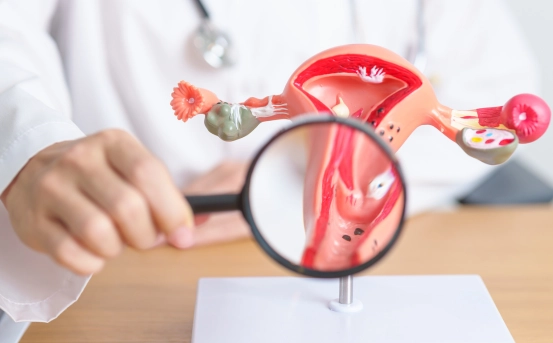
Diminished Ovarian Reserve (DOR) is a condition in which a woman’s ovaries lose their normal reproductive potential due to a reduction in the number and quality of eggs. It is most commonly diagnosed in women who experience difficulty conceiving, irregular menstrual cycles, or poor response to fertility treatments. While DOR is often associated with increasing age, it can also occur in younger women due to genetic factors, medical treatments, autoimmune conditions, or ovarian surgery.
The Diminished Ovarian Reserve refers to the structured medical approach used to diagnose, manage, and treat diminished ovarian reserve, particularly in women seeking pregnancy. The primary goal of this procedure is to evaluate ovarian function, optimize egg quality, enhance fertility potential, and improve the chances of conception through assisted reproductive techniques when necessary.
Understanding Diminished Ovarian Reserve
The Diminished Ovarian Reserve begins with a comprehensive fertility evaluation. This step is essential to confirm the diagnosis and determine the most appropriate treatment strategy. Doctors start by reviewing the patient’s medical history, menstrual cycle pattern, previous pregnancies, and any past surgeries or treatments that may affect ovarian function. A physical examination is conducted to assess overall reproductive health. Several diagnostic tests are then performed, including hormone evaluations such as Anti-Müllerian Hormone (AMH), Follicle-Stimulating Hormone (FSH), estradiol levels, and luteinizing hormone levels. These tests help estimate ovarian reserve and predict how the ovaries may respond to fertility treatment. Transvaginal ultrasound is used to measure the antral follicle count, which reflects the number of resting follicles in the ovaries. Together, these assessments provide a clear picture of ovarian function and guide the next steps in the procedure.
Planning the Diminished Ovarian Reserve
Once diminished ovarian reserve is confirmed, a personalized treatment plan is developed. Since egg quantity cannot be restored, the Diminished Ovarian Reserve focuses on maximizing the potential of the remaining eggs and improving reproductive outcomes. The treatment plan may include lifestyle modifications, hormonal regulation, ovarian stimulation protocols, and assisted reproductive techniques. Factors such as age, fertility goals, hormone levels, and overall health are carefully considered during planning. Counseling is an important part of this stage, as patients are educated about realistic expectations, timelines, and success rates. Emotional support and stress management are also emphasized, as fertility challenges can be psychologically demanding.
Ovarian Stimulation and Monitoring
A key component of the Diminished Ovarian Reserve involves controlled ovarian stimulation. Medications are prescribed to encourage the ovaries to produce multiple follicles during a single cycle. These medications are tailored to prevent overstimulation while maximizing follicular development. Throughout the stimulation phase, patients undergo regular ultrasound scans and blood tests to monitor follicle growth and hormone levels. This close monitoring ensures that the ovaries are responding appropriately and helps determine the optimal timing for egg retrieval or ovulation. Careful monitoring is especially crucial in DOR cases, as ovarian response may be lower compared to women with normal reserve. Adjustments to medication dosage are made as needed to achieve the best possible outcome.
Egg Retrieval and Fertility Treatment
When the follicles reach adequate maturity, the next step in the Diminished Ovarian Reserve is egg retrieval, if assisted reproduction is being pursued. This is a minimally invasive procedure performed under sedation, where eggs are collected from the ovaries using ultrasound guidance. The retrieved eggs are then evaluated for quality and fertilized in the laboratory if in vitro fertilization is planned. Embryos are monitored for development before being transferred to the uterus or preserved for future use. In some cases, the procedure may focus on optimizing natural conception or intrauterine insemination rather than egg retrieval. Regardless of the approach, the objective remains the same: to improve the chances of achieving a healthy pregnancy using the available ovarian reserve.
Supportive Treatments During the Procedure
The Diminished Ovarian Reserve often includes supportive therapies aimed at enhancing egg quality and overall reproductive health. These may involve nutritional supplementation, hormonal support, and lifestyle interventions. Patients are advised to maintain a balanced diet, manage stress, avoid smoking and excessive alcohol consumption, and achieve a healthy body weight. Supplements such as antioxidants, vitamins, and hormone-supporting agents may be recommended to support ovarian function. In some cases, uterine preparation is also emphasized to ensure a receptive environment for embryo implantation or natural conception.
Post-Procedure Care and Follow-Up
After completing the Diminished Ovarian Reserve cycle, close follow-up is essential. Patients are monitored for hormonal balance, menstrual cycle regularity, and pregnancy outcomes. If conception occurs, early pregnancy care is initiated to support a healthy gestation. If pregnancy is not achieved, the doctor reviews the response to treatment and discusses further options. Multiple cycles may be recommended depending on the patient’s condition and reproductive goals. Emotional well-being remains a priority during follow-up, and patients are encouraged to seek counseling or support groups if needed.
Expected Outcomes and Considerations
The success of the Diminished Ovarian Reserve varies from person to person and depends on factors such as age, egg quality, overall health, and adherence to treatment. While diminished ovarian reserve presents challenges, many women achieve successful pregnancies with timely and well-managed intervention. It is important to understand that the procedure aims to optimize existing fertility potential rather than reverse ovarian aging. Early diagnosis and prompt treatment significantly improve outcomes and expand reproductive options.
Conclusion
The Diminished Ovarian Reserve is a comprehensive and individualized medical approach designed to help women with diminished ovarian reserve achieve their reproductive goals. Through careful evaluation, personalized treatment planning, ovarian stimulation, fertility support, and ongoing follow-up, the procedure focuses on maximizing egg quality and improving the chances of conception.
Although DOR can be emotionally and physically challenging, advancements in reproductive medicine offer hope and effective solutions for many women. Consulting an experienced fertility specialist, addressing the condition early, and following a structured treatment plan are essential steps toward achieving the best possible outcomes.
With the right medical guidance, emotional support, and timely intervention, the Diminished Ovarian Reserve provides a pathway for women to navigate fertility challenges with confidence and informed care.