Introduction
Musculoskeletal injuries are among the most common health concerns affecting people of all ages and lifestyles. These injuries involve the body’s movement system, which includes muscles, bones, joints, ligaments, tendons, and connective tissues. From minor strains to severe trauma, musculoskeletal injuries can significantly impact mobility, daily activities, and overall quality of life. They may occur suddenly due to accidents or develop gradually from repetitive stress and overuse. Understanding musculoskeletal injuries, their causes, symptoms, and management is essential for timely treatment and long-term recovery.
Understanding Musculoskeletal Injury
The musculoskeletal system provides structure, support, and movement to the body. Any damage or stress affecting this system is considered a musculoskeletal injury. Such injuries may result from physical force, excessive strain, poor posture, or prolonged repetitive motions. When tissues are injured, the body initiates an inflammatory response, leading to pain, swelling, and reduced function. Musculoskeletal injuries can affect both active individuals, such as athletes or laborers, and sedentary individuals, especially those with poor ergonomic habits. These injuries can be acute, occurring suddenly, or chronic, developing over time due to continuous stress on the tissues.
Causes of Musculoskeletal Injury
Musculoskeletal injuries can occur due to a variety of factors, often involving physical stress or trauma. Common causes include sudden impact from falls, road accidents, or sports-related incidents. Repetitive movements, such as typing, lifting, or prolonged standing, can also strain muscles and joints over time. Poor posture while sitting or working can place abnormal stress on the spine and surrounding muscles. Overuse without adequate rest is another major contributor, particularly in individuals who perform repetitive physical activities or intense exercise without proper recovery. Age-related wear and tear, weakened muscles, reduced flexibility, and underlying medical conditions such as arthritis or osteoporosis may also increase the risk of injury. Additionally, inadequate warm-up, improper technique during physical activity, and poorly designed work environments can further contribute to musculoskeletal damage.
Symptoms of Musculoskeletal Injury
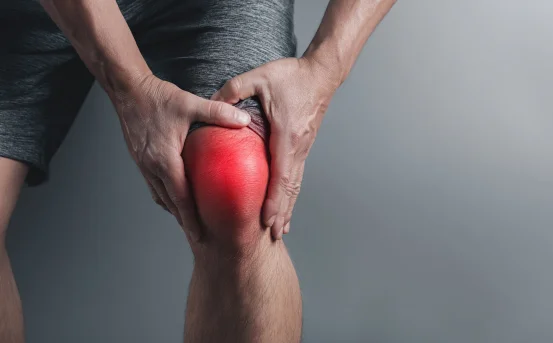
Symptoms of musculoskeletal injury vary depending on the severity and location of the damage. Pain is the most common symptom and may range from mild discomfort to severe, persistent pain that limits movement. Swelling, tenderness, and stiffness often accompany the injury, making it difficult to move the affected area. Other symptoms may include muscle weakness, reduced range of motion, bruising, or a feeling of instability in the joints. In more severe cases, individuals may experience numbness, tingling, or sharp pain, particularly if nerves are involved. Chronic injuries may present with persistent aching, fatigue in muscles, or recurring flare-ups that worsen with activity.
Diagnosis of Musculoskeletal Injury
Accurate diagnosis is crucial for effective treatment and recovery. The diagnostic process typically begins with a detailed medical history and physical examination. The healthcare provider assesses pain levels, movement limitations, swelling, and tenderness. They may ask about recent activities, injuries, work habits, or repetitive motions that could have contributed to the condition. Imaging studies such as X-rays, ultrasound, or MRI scans may be recommended to evaluate the extent of tissue damage, bone involvement, or joint abnormalities. In some cases, blood tests may be performed to rule out inflammatory or autoimmune conditions. Early diagnosis helps prevent complications and reduces the risk of long-term disability.
Treatment of Musculoskeletal Injury
Treatment for musculoskeletal injury depends on the severity and nature of the injury. Initial management often focuses on reducing pain and inflammation. Resting the affected area allows tissues to heal, while ice or heat therapy may help relieve discomfort and swelling. Pain-relieving medications or anti-inflammatory drugs are commonly prescribed to manage symptoms. Physical therapy plays a vital role in recovery by strengthening muscles, improving flexibility, and restoring normal movement patterns. Therapeutic exercises, stretching routines, and posture correction help prevent further injury and support long-term healing. In some cases, supportive devices such as braces or splints may be used to stabilize the injured area. For severe injuries that do not respond to conservative treatment, advanced interventions such as injections or surgical procedures may be considered. The goal of treatment is not only to relieve symptoms but also to restore function and prevent recurrence.
Recovery and Rehabilitation
Recovery from a musculoskeletal injury requires patience and consistency. Rehabilitation programs are designed to gradually reintroduce movement and strength while avoiding further strain. Following medical advice, adhering to physical therapy sessions, and maintaining proper body mechanics are essential for successful recovery. Lifestyle modifications, such as maintaining a healthy weight, staying physically active, and practicing ergonomic habits, can significantly support healing. Adequate rest, hydration, and nutrition also play an important role in tissue repair and muscle recovery.
Prevention of Musculoskeletal Injury
Preventing musculoskeletal injuries involves adopting healthy movement practices and reducing physical stress on the body. Regular exercise helps maintain muscle strength, flexibility, and joint stability. Warming up before physical activity and cooling down afterward reduces the risk of injury. Proper posture while sitting, standing, and lifting is essential, especially for individuals with desk jobs or physically demanding work. Taking regular breaks, using ergonomic furniture, and avoiding repetitive strain can protect the musculoskeletal system. Wearing appropriate footwear, using correct techniques during exercise, and listening to the body’s warning signs also help prevent injury.
Conclusion
Musculoskeletal injuries are a common yet significant health concern that can affect mobility, productivity, and overall well-being. Whether caused by sudden trauma or gradual overuse, these injuries require timely diagnosis, appropriate treatment, and careful rehabilitation. With proper medical care, lifestyle adjustments, and preventive measures, most individuals can recover fully and regain normal function.
Awareness of musculoskeletal health, early intervention, and adherence to recovery plans play a crucial role in preventing long-term complications. By prioritizing body mechanics, physical fitness, and ergonomic practices, individuals can protect their musculoskeletal system and maintain an active, pain-free life.