Introduction
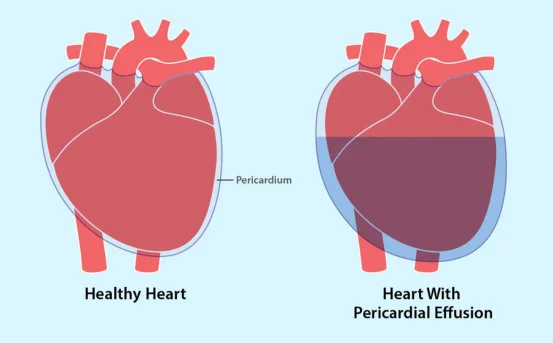
Pericardial effusion is a medical condition in which excess fluid accumulates in the pericardial sac, the thin, double-layered membrane that surrounds and protects the heart. Under normal circumstances, this sac contains a small amount of fluid that acts as a lubricant, allowing the heart to move smoothly as it beats. However, when too much fluid builds up, it can interfere with the heart’s ability to pump blood effectively, potentially leading to serious complications.
Pericardial effusion can develop gradually or appear suddenly, depending on the underlying cause. While some cases remain mild and asymptomatic, others may progress rapidly and become life-threatening if not diagnosed and treated promptly. Understanding this condition is essential for recognizing symptoms early and ensuring timely medical care.
Understanding Pericardial Effusion
The heart is enclosed within the pericardium, which serves as a protective barrier and helps maintain the heart’s position in the chest. When inflammation, injury, infection, or systemic illness affects the pericardium, fluid production may increase or drainage may become impaired. As a result, fluid begins to accumulate in the pericardial space.
The impact of pericardial effusion depends not only on the volume of fluid but also on how quickly it accumulates. A slow buildup may allow the pericardium to stretch and accommodate the fluid with minimal symptoms, while rapid accumulation can compress the heart and impair its function even with a smaller volume of fluid. This compression can reduce the heart’s ability to fill properly during relaxation, leading to decreased cardiac output.
Causes and Risk Factors
Pericardial effusion is associated with a wide range of medical conditions. Infections such as viral, bacterial, or tuberculosis-related illnesses can trigger inflammation of the pericardium. Autoimmune disorders, including lupus and rheumatoid arthritis, may also cause chronic inflammation leading to fluid accumulation. Other causes include heart-related conditions such as myocardial infarction, heart surgery, or trauma to the chest. Certain cancers can spread to the pericardium or cause fluid buildup as a result of cancer-related inflammation. Kidney failure, hypothyroidism, radiation therapy to the chest, and adverse reactions to medications may also contribute to pericardial effusion. Because the condition often reflects an underlying disease, identifying and treating the root cause is a critical part of management.
Symptoms and Clinical Presentation
The symptoms of pericardial effusion vary depending on the severity and speed of fluid accumulation. Mild cases may cause no noticeable symptoms and are sometimes discovered incidentally during imaging studies performed for other reasons. When symptoms occur, they commonly include shortness of breath, especially when lying down, chest discomfort or pressure, fatigue, and a feeling of fullness in the chest. Some patients may experience palpitations, coughing, or swelling in the legs and abdomen due to reduced heart function. In severe cases, low blood pressure, dizziness, and fainting may occur, indicating compromised circulation. Prompt medical evaluation is essential when these symptoms are present, as untreated pericardial effusion can progress rapidly.
Diagnostic Evaluation
Diagnosing pericardial effusion involves a combination of clinical assessment and imaging studies. A detailed medical history and physical examination help identify symptoms and potential causes. Doctors may detect muffled heart sounds or abnormal findings during auscultation. Echocardiography is the most commonly used diagnostic tool, as it provides real-time images of the heart and clearly shows the presence and extent of fluid around it. Chest X-rays may reveal an enlarged cardiac silhouette in significant cases. Advanced imaging such as CT scans or MRI can provide detailed views of the pericardium and surrounding structures. Blood tests are often performed to identify infection, inflammation, autoimmune conditions, or organ dysfunction contributing to the effusion.
Management and Treatment Approach
The treatment of pericardial effusion depends on the patient’s symptoms, the amount of fluid present, and the underlying cause. In mild cases without symptoms, careful monitoring with regular follow-up and imaging may be sufficient. When treatment is required, it often begins with addressing the root cause. Anti-inflammatory medications, antibiotics, or other targeted therapies may be prescribed based on the diagnosis. Diuretics may be used to help reduce fluid accumulation in certain cases. If the effusion is large or causes significant pressure on the heart, procedural intervention may be necessary. Drainage of the fluid can relieve pressure and improve heart function. In some situations, more extensive procedures may be required to prevent recurrence, particularly if the condition is chronic or recurrent.
Potential Complications
One of the most serious complications of pericardial effusion is cardiac tamponade, a condition in which pressure from the accumulated fluid severely restricts the heart’s ability to pump blood. This can lead to shock and is considered a medical emergency requiring immediate intervention. Chronic or untreated pericardial effusion may also lead to scarring or thickening of the pericardium, which can impair long-term heart function. Recurrent effusions may indicate an ongoing underlying illness that requires further investigation and management.
Prognosis and Long-Term Outlook
The prognosis of pericardial effusion varies widely depending on its cause, severity, and timeliness of treatment. Many patients recover fully when the condition is identified early and managed appropriately. Those with underlying systemic or chronic diseases may require ongoing monitoring and long-term treatment. Regular follow-up with a cardiologist is essential to ensure resolution of the effusion and to prevent recurrence. Lifestyle modifications, adherence to medical therapy, and management of underlying conditions play a key role in long-term outcomes.
Conclusion
Pericardial effusion is a significant cardiac condition characterized by the accumulation of excess fluid around the heart. While it can range from mild and asymptomatic to severe and life-threatening, early recognition and appropriate management are crucial in preventing complications. Advances in diagnostic imaging and treatment have greatly improved outcomes for patients with this condition.
Understanding the symptoms, causes, and treatment options empowers patients to seek timely medical care and improves the chances of a favorable recovery. With proper evaluation, targeted therapy, and ongoing monitoring, most individuals with pericardial effusion can achieve good heart health and quality of life.