Introduction
Platelet Rich Plasma (PRP) Therapy is an advanced regenerative treatment that uses the body’s own healing mechanisms to repair damaged tissues, reduce pain, and accelerate recovery. Over the past decade, PRP therapy has gained widespread popularity in fields such as orthopedics, sports medicine, dermatology, cosmetic medicine, dentistry, and gynecology. The core principle of PRP therapy lies in concentrating platelets from the patient’s own blood and injecting them into injured or affected areas to promote natural healing.
Unlike conventional treatments that rely on medications or surgery, PRP therapy offers a minimally invasive and biologically safe approach. Because it uses the patient’s own blood, the risk of allergic reactions or disease transmission is extremely low. PRP therapy is increasingly being chosen by patients seeking effective, natural, and long-term solutions for chronic pain, tissue damage, or cosmetic concerns.
Understanding Platelet Rich Plasma Therapy?
Platelet Rich Plasma therapy involves extracting a small amount of blood from the patient and processing it to separate and concentrate platelets. Platelets are a vital component of blood that contain growth factors and healing proteins responsible for tissue repair, cell regeneration, and inflammation control.
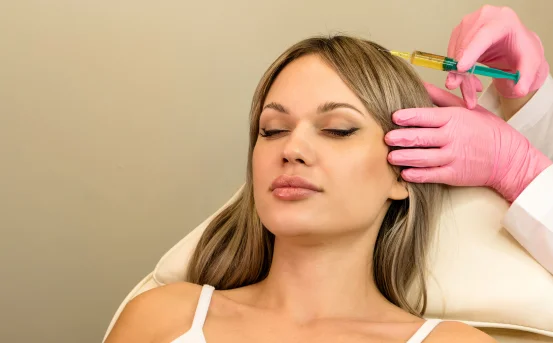
Once concentrated, this platelet-rich solution is injected into the targeted area, such as a joint, tendon, muscle, scalp, or skin. The high concentration of growth factors stimulates the body’s natural healing response, enhancing tissue regeneration and reducing pain and inflammation.
How PRP Therapy Works
PRP therapy works by enhancing the body’s natural repair process. When tissue injury occurs, platelets travel to the affected area and release growth factors that promote healing. PRP therapy amplifies this process by delivering a much higher concentration of platelets directly to the site of damage.
The injected PRP releases growth factors that
- Stimulate new tissue formation
- Increase blood supply to the damaged area
- Reduce inflammation
- Promote collagen production
- Accelerate wound and tissue healing
As a result, PRP therapy helps restore normal function and relieves symptoms without the need for invasive surgery.
Procedure of PRP Therapy
The PRP therapy procedure is relatively simple and usually completed within 30 to 60 minutes.
First, a small sample of blood is drawn from the patient’s arm, similar to a routine blood test. This blood is then placed in a centrifuge, a machine that spins rapidly to separate the components of blood. The centrifugation process isolates platelet-rich plasma from red blood cells and other components. Once the PRP is prepared, the treatment area is cleaned and, if necessary, numbed with a local anesthetic. The PRP is then carefully injected into the targeted area using fine needles. In some cases, ultrasound guidance is used to ensure precise placement of the injection. After the procedure, patients are usually able to return home the same day, making PRP therapy an outpatient treatment.
Uses of Platelet Rich Plasma Therapy
PRP therapy is used to treat a wide range of medical and cosmetic conditions.
In orthopedics and sports medicine, PRP is commonly used for
- Tendon injuries such as tennis elbow
- Ligament injuries
- Knee osteoarthritis
- Shoulder injuries
- Muscle strains
In dermatology and cosmetic medicine, PRP therapy is used for
- Hair loss treatment (PRP for alopecia)
- Skin rejuvenation
- Acne scar treatment
- Fine lines and wrinkles
In gynecology and urology, PRP therapy may be used for tissue regeneration, sexual wellness treatments, and post-surgical healing. PRP therapy is also used in dentistry, wound healing, and plastic surgery to enhance tissue repair and improve surgical outcomes.
Benefits of PRP Therapy
Platelet Rich Plasma therapy offers numerous benefits, making it a preferred option for many patients. One of the primary advantages is that PRP uses the patient’s own blood, which minimizes the risk of infection, allergic reactions, or rejection. The treatment is minimally invasive, avoiding the risks and recovery time associated with surgery. PRP therapy promotes natural healing rather than masking symptoms. It helps reduce pain, improve mobility, and restore function over time. Many patients experience long-lasting results after completing their PRP treatment sessions. Additionally, PRP therapy has minimal downtime. Most patients can resume daily activities shortly after the procedure, although strenuous activities may need to be avoided for a short period.
Recovery and Aftercare
Recovery after PRP therapy is generally quick and uncomplicated. Patients may experience mild pain, swelling, or stiffness at the injection site for a few days, which is a normal part of the healing response. Doctors usually recommend avoiding anti-inflammatory medications, as they may interfere with the healing process initiated by PRP. Light activities are typically allowed, but intense exercise should be avoided for a few days or weeks, depending on the treated area. The full benefits of PRP therapy are often seen gradually over several weeks to months as tissue regeneration occurs. Some patients may require multiple sessions to achieve optimal results.
Risks and Limitations
PRP therapy is considered safe, but like any medical procedure, it carries some risks. These may include mild pain, infection at the injection site, or temporary worsening of symptoms. Serious complications are rare. It is important to note that PRP therapy may not be suitable for everyone. Patients with certain blood disorders, active infections, or chronic medical conditions may not be ideal candidates. A thorough medical evaluation is essential before undergoing treatment.
Conclusion
Platelet Rich Plasma (PRP) Therapy represents a powerful advancement in regenerative medicine, offering a natural and effective approach to healing and tissue repair. By harnessing the body’s own growth factors, PRP therapy helps reduce pain, improve function, and promote long-term recovery without the need for invasive surgery. Whether used for joint injuries, hair restoration, skin rejuvenation, or chronic pain management, PRP therapy provides a versatile and patient-friendly treatment option. With proper patient selection, expert administration, and appropriate aftercare, PRP therapy can significantly enhance quality of life and support the body’s natural healing potential. Consulting an experienced medical professional is essential to determine whether PRP therapy is the right choice and to ensure safe, effective, and personalized treatment outcomes.