Introduction
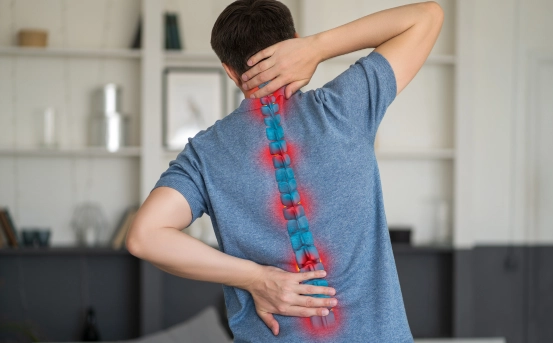
Scoliosis is a condition of the spine characterized by an abnormal sideways curvature that develops over time. Instead of forming a straight vertical line when viewed from the back, the spine curves in a “C” or “S” shape. This spinal deformity can affect people of all ages, though it is most commonly identified during periods of rapid growth, particularly in childhood and adolescence. While mild curvature may cause little to no discomfort, more severe cases can lead to pain, physical imbalance, and complications involving posture, breathing, and daily activities.
Understanding scoliosis is important because early detection and appropriate management can prevent progression and long-term complications. The condition affects not only physical health but also emotional well-being, especially in younger individuals who may experience self-consciousness due to visible changes in posture.
Understanding Scoliosis
The exact cause of scoliosis is not always clear. In many individuals, the condition develops without an identifiable reason. However, certain factors are known to increase the risk of developing spinal curvature. Genetics can play a role, as scoliosis often runs in families. Growth-related changes during childhood or adolescence can also contribute to the development or progression of the condition.
Other contributing factors may include abnormalities in spinal development, muscle imbalance, or conditions that affect nerve or muscle function. Poor posture alone does not cause scoliosis, but it can worsen discomfort in individuals who already have spinal curvature. While scoliosis itself is not preventable in most cases, understanding risk factors helps in early screening and monitoring.
Symptoms and Physical Signs
Symptoms of scoliosis vary depending on the severity of the spinal curve. Mild cases may present with no noticeable symptoms and are often discovered during routine medical examinations. As the curvature progresses, visible physical changes may become apparent. Common signs include uneven shoulders, one shoulder blade appearing more prominent than the other, uneven waist or hips, and a slight lean to one side when standing. In some cases, clothing may not fit evenly, or pant legs may appear different lengths due to pelvic tilt. Back pain is not always present, especially in younger individuals, but adults with scoliosis are more likely to experience chronic back discomfort, muscle stiffness, or fatigue. In advanced cases, scoliosis can affect lung function by reducing space within the chest cavity, leading to shortness of breath during physical activity. These symptoms highlight the importance of monitoring the condition over time.
Diagnosis and Evaluation
Scoliosis is usually diagnosed through a physical examination followed by imaging studies. During the initial assessment, a healthcare provider may observe the patient’s posture, shoulder alignment, and spinal symmetry while standing and bending forward. Any visible asymmetry raises suspicion of spinal curvature. X-rays are commonly used to confirm the diagnosis and measure the degree of curvature. These images help determine the severity of the condition and guide treatment decisions. In some cases, additional imaging such as MRI or CT scans may be recommended to evaluate underlying spinal structures or rule out associated conditions. Regular monitoring is crucial, especially in growing individuals, as spinal curvature can worsen during growth spurts. Follow-up evaluations help track progression and adjust treatment plans as needed.
Treatment and Management
Treatment for scoliosis depends on factors such as the degree of curvature, age, growth potential, and symptoms. The primary goals of management are to prevent progression, maintain spinal alignment, relieve discomfort, and preserve quality of life. In mild cases, observation and regular follow-up visits may be sufficient. Healthcare providers monitor changes in the curvature over time without immediate intervention. Physical therapy and specific exercises may be recommended to improve posture, strengthen core muscles, and enhance flexibility. While exercise does not correct the curve, it can help manage discomfort and improve overall spinal health. Bracing may be advised for individuals whose spine is still growing and who have moderate curvature. The purpose of bracing is to prevent further progression rather than straighten the spine completely. Consistent use, as directed by a specialist, can significantly reduce the risk of worsening curvature. In severe cases or when conservative measures fail, surgical intervention may be considered. Surgery aims to correct spinal alignment, stabilize the spine, and prevent further progression. Advances in surgical techniques have improved outcomes and reduced recovery times, though surgery is typically reserved for cases with significant functional or structural concerns.
Living with Scoliosis
Living with scoliosis involves more than medical treatment; it also includes adapting daily habits to support spinal health. Maintaining good posture, engaging in regular physical activity, and following prescribed exercise routines can help manage symptoms. Activities such as swimming, walking, and yoga are often beneficial, as they promote strength and flexibility without placing excessive strain on the spine. Emotional well-being is equally important. Individuals with scoliosis, especially adolescents, may experience anxiety or self-esteem concerns related to body image. Support from family, healthcare providers, and peer groups can make a significant difference. Education about the condition empowers patients to take an active role in managing their health and reduces fear or uncertainty. Adults with scoliosis may need to focus on long-term pain management strategies, workplace ergonomics, and maintaining a healthy weight to reduce strain on the spine. With appropriate care, most individuals with scoliosis can lead active, fulfilling lives.
Importance of Early Detection
Early detection plays a crucial role in managing scoliosis effectively. Identifying spinal curvature at an early stage allows for timely intervention, which can slow or stop progression and reduce the likelihood of complications. Routine screenings, especially during childhood and adolescence, are essential for early diagnosis. Parents, caregivers, and educators should be aware of visible signs such as uneven shoulders or changes in posture. Prompt medical evaluation ensures that appropriate monitoring or treatment begins as early as possible.
Conclusion
Scoliosis is a complex spinal condition that varies in severity and impact from person to person. While it may develop silently without obvious symptoms, its effects can become significant if left unaddressed. Through early diagnosis, regular monitoring, and individualized treatment plans, scoliosis can be effectively managed.
Advances in medical care, physical therapy, and surgical techniques have greatly improved outcomes for individuals living with this condition. With the right support, education, and proactive care, people with scoliosis can maintain mobility, confidence, and a high quality of life. Understanding the condition is the first step toward managing it successfully and ensuring long-term spinal health.