Introduction
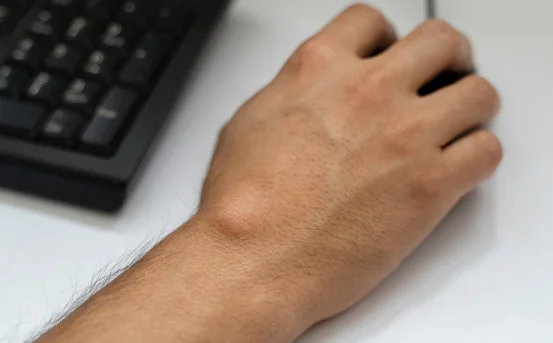
A sebaceous cyst is a common, non-cancerous lump that develops beneath the skin, usually due to blockage of sebaceous glands or hair follicles. These cysts are typically slow-growing and painless, making them harmless in many cases. However, when they become infected, inflamed, or increase in size, they can cause discomfort, pain, and cosmetic concerns. Sebaceous cysts can appear anywhere on the body but are most commonly found on the scalp, face, neck, back, and upper trunk. Understanding sebaceous cysts, their causes, symptoms, and available treatments is essential for early recognition and appropriate management.
What Is a Sebaceous Cyst?
A sebaceous cyst is a closed sac beneath the skin filled with a thick, oily, cheese-like substance called sebum. Sebum is naturally produced by sebaceous glands to lubricate the skin and hair. When the gland or its duct becomes blocked or damaged, sebum accumulates, leading to the formation of a cyst. Although commonly called “sebaceous cysts,” many are technically epidermoid cysts, but the terms are often used interchangeably in clinical practice.
Causes of Sebaceous Cysts
Sebaceous cysts develop when normal skin processes are disrupted. Several factors can contribute to their formation
- Blocked Sebaceous Glands: The most common cause is blockage of the sebaceous duct, preventing normal sebum drainage.
- Hair Follicle Damage: Trauma to the skin, such as cuts, surgical wounds, or acne, can damage hair follicles and lead to cyst formation.
- Excess Sebum Production: Overactive sebaceous glands increase the likelihood of blockage.
- Skin Conditions: Acne, chronic inflammation, or other dermatological conditions raise the risk.
- Genetic Factors: Some individuals are genetically predisposed to developing cysts.
- Hormonal Changes: Hormonal fluctuations, especially during adolescence, can increase sebaceous gland activity.
Symptoms of Sebaceous Cysts
Sebaceous cysts are usually easy to identify due to their characteristic appearance and texture. Common symptoms include
- A round or dome-shaped lump under the skin
- Smooth, soft, or slightly firm texture
- Slow growth over weeks or months
- Skin-colored or slightly yellowish appearance
- A visible central punctum (small black dot) in some cases
When infected or inflamed, additional symptoms may occur
- Redness and warmth around the cyst
- Pain or tenderness
- Swelling and rapid enlargement
- Pus or foul-smelling discharge
- Fever in rare cases of severe infection
Diagnosis of Sebaceous Cysts
Sebaceous cysts are usually diagnosed through a physical examination by a healthcare provider. The appearance, location, and consistency of the lump often provide sufficient information for diagnosis. In rare cases, additional tests may be recommended
- Ultrasound: To determine the cyst’s size and depth
- Biopsy: If there is uncertainty about the diagnosis or concern about malignancy
- CT or MRI Scans: Used only for large or deeply located cysts
Early diagnosis helps prevent complications such as infection or rupture.
Treatment Options for Sebaceous Cysts
Treatment depends on the size, symptoms, and whether the cyst is infected or causing discomfort.
- Observation :- Small, painless cysts that do not cause cosmetic or functional issues may not require treatment. Regular monitoring is sufficient in such cases.
- Medications
- Antibiotics: Prescribed if the cyst is infected
- Anti-inflammatory drugs: Reduce swelling and pain
- Steroid injections: Help decrease inflammation in selected cases
Medications alone cannot completely eliminate a cyst but may control symptoms.
- Incision and Drainage :- In this procedure, the cyst is opened, and its contents are drained to relieve pain and pressure. While effective for infected cysts, this method does not remove the cyst wall, so recurrence is possible.
- Surgical Removal :- Complete surgical excision is the most effective and permanent treatment. The entire cyst, including its wall, is removed under local anesthesia. This minimizes the chance of recurrence and is often recommended for
- Recurrent cysts
- Large or painful cysts
- Infected or ruptured cysts
- Cosmetic concerns
Surgical removal is a safe outpatient procedure with minimal recovery time.
Complications of Sebaceous Cysts
Although generally harmless, untreated sebaceous cysts can lead to complications
- Infection and Abscess Formation
- Rupture, leading to inflammation
- Scarring
- Recurrence if incompletely removed
- Rarely, malignant transformation (extremely uncommon)
Prompt treatment reduces the risk of these complications.
Prevention of Sebaceous Cysts
While not all cysts can be prevented, certain measures may reduce the risk
- Maintain proper skin hygiene
- Treat acne and skin infections early
- Avoid squeezing or picking at skin lesions
- Protect skin from trauma
- Use non-comedogenic skincare products
Regular skin check-ups help detect cysts early.
Conclusion
Sebaceous cysts are common, benign skin growths that usually pose no serious health risk. While many remain small and painless, others can become inflamed, infected, or cosmetically bothersome. Understanding their causes and symptoms allows for early detection and appropriate management. Treatment options range from observation and medication to surgical removal, depending on severity and patient preference. Consulting a qualified healthcare professional ensures accurate diagnosis and effective treatment, helping prevent recurrence and complications. With proper care, sebaceous cysts can be managed safely and successfully, restoring comfort and confidence in everyday life.