Introduction
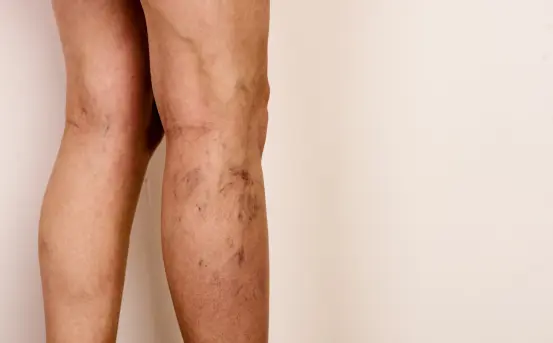
Spider veins are a common vascular condition that affects millions of people worldwide. They appear as thin, web-like lines visible just beneath the surface of the skin, most often on the legs and face. While spider veins are generally considered a cosmetic concern, they can sometimes cause discomfort, irritation, or emotional distress due to their appearance. For many individuals, spider veins affect confidence and quality of life, especially when they become more noticeable over time.
Understanding spider veins is important not only for cosmetic reasons but also for overall vascular health. Although they are usually harmless, spider veins can occasionally signal underlying circulation issues. Early awareness, proper care, and timely treatment can help manage symptoms and prevent progression.
What Are Spider Veins?
Spider veins are small, dilated blood vessels that develop close to the surface of the skin. They appear as red, blue, or purple lines and often resemble a spider web or branching pattern. These veins become visible when the tiny valves inside the blood vessels weaken or fail, allowing blood to pool instead of flowing efficiently back toward the heart. Normally, veins carry blood upward against gravity, especially in the legs. When the vein walls or valves weaken, blood flow becomes sluggish, causing pressure to build within the vessels. Over time, this pressure leads to the expansion of small veins, making them visible on the skin.
Causes of Spider Veins
Several factors contribute to the development of spider veins. One of the most common causes is genetics. Individuals with a family history of vein problems are more likely to develop spider veins. Age also plays a significant role. As people grow older, veins gradually lose elasticity, and valves become weaker, increasing the risk of visible veins. Hormonal changes, such as those occurring during pregnancy, menopause, or hormonal therapy, can also affect vein health by relaxing vein walls. Prolonged standing or sitting puts continuous pressure on leg veins, making spider veins more likely to develop. Occupations that require long hours on the feet or extended desk work often increase this risk. Obesity adds extra pressure on veins, while lack of physical activity can slow blood circulation. Other contributing factors include excessive sun exposure, which can damage blood vessels near the skin, especially on the face, and previous injuries or trauma that affect circulation.
Symptoms and Impact
In many cases, spider veins do not cause physical symptoms and are noticed primarily due to their appearance. However, some individuals experience mild discomfort such as aching, burning, itching, or heaviness in the affected area. These sensations may worsen after standing for long periods or at the end of the day. Beyond physical symptoms, spider veins can have a psychological impact. Many people feel self-conscious wearing shorts, skirts, or swimsuits, which can affect social interactions and self-esteem. While spider veins are not usually dangerous, persistent symptoms or sudden changes should be evaluated by a medical professional to rule out underlying vascular conditions.
Diagnosis
Spider veins are typically diagnosed through a physical examination. A healthcare provider assesses the appearance, location, and extent of visible veins and asks about symptoms, family history, and lifestyle factors. In some cases, imaging tests such as Doppler ultrasound may be recommended to evaluate blood flow and check for deeper vein involvement. This helps ensure that treatment focuses on the root cause rather than just the surface appearance.
Treatment Options
Treatment for spider veins depends on the severity of the condition, symptoms, and personal preferences. For mild cases, lifestyle modifications may help reduce the appearance and prevent progression. These include regular exercise, maintaining a healthy weight, elevating the legs, avoiding prolonged standing or sitting, and wearing compression garments as recommended. Medical treatments are available for individuals seeking cosmetic improvement or symptom relief. These procedures aim to close or eliminate the affected veins, allowing blood to reroute through healthier vessels. Most treatments are minimally invasive, performed on an outpatient basis, and require little to no downtime. A qualified vascular specialist or dermatologist can recommend the most appropriate treatment based on individual needs and overall vein health.
Prevention and Self-Care
While spider veins cannot always be prevented, certain measures can reduce the risk of their development or worsening. Staying physically active helps promote healthy circulation and strengthens the muscles that support veins. Avoiding prolonged periods of immobility, especially during travel or work, is also beneficial. Maintaining a healthy weight reduces pressure on veins, and elevating the legs periodically helps improve blood flow. Limiting sun exposure and using sunscreen can protect delicate blood vessels near the skin’s surface. Wearing supportive footwear and avoiding tight clothing that restricts circulation can further support vein health.
When to See a Doctor
Although spider veins are often harmless, medical evaluation is recommended if they are accompanied by pain, swelling, skin changes, or sudden worsening. Consulting a healthcare provider ensures proper diagnosis and helps identify whether the condition is purely cosmetic or linked to circulation problems that require treatment. Early consultation also allows individuals to explore treatment options before spider veins become more prominent or symptomatic.
Conclusion
Spider veins are a common and often manageable condition that affects both physical appearance and emotional well-being. While typically not dangerous, they result from weakened blood vessels and impaired circulation, which can worsen over time without proper care. Understanding the causes, symptoms, and available treatment options empowers individuals to take control of their vein health.
With early attention, lifestyle changes, and appropriate medical care, spider veins can be effectively managed or treated. Consulting an experienced healthcare professional ensures accurate diagnosis, personalized treatment, and long-term relief. By prioritizing vein health, individuals can improve comfort, confidence, and overall quality of life.