Introduction
Stroke is a serious medical emergency that occurs when the blood supply to the brain is interrupted or significantly reduced, depriving brain tissue of oxygen and nutrients. Without prompt treatment, brain cells begin to die within minutes, leading to potentially life-threatening complications or long-term disability. Effective stroke management focuses on early recognition, immediate medical care, stabilization, rehabilitation, and prevention of future episodes. Timely and comprehensive management plays a crucial role in improving survival rates and minimizing neurological damage.
Understanding Stroke Management
The first and most critical step in stroke management is early recognition of symptoms and rapid medical response. Common warning signs include sudden weakness or numbness on one side of the body, difficulty speaking or understanding speech, vision problems, dizziness, loss of balance, or severe headache. Recognizing these symptoms early and seeking emergency medical care can significantly improve outcomes. Once the patient arrives at a medical facility, emergency protocols are activated immediately. Healthcare professionals assess vital signs, airway, breathing, and circulation to ensure the patient is stable. Early intervention helps limit brain injury and prevents further complications.
Initial Medical Evaluation
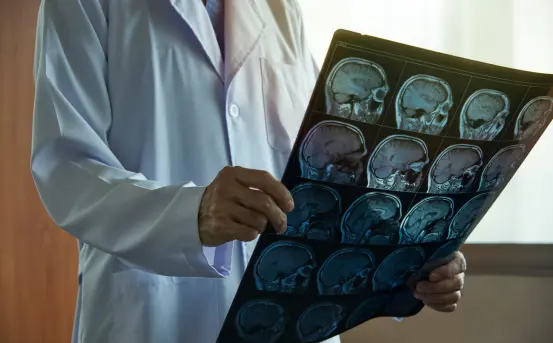
After stabilization, a detailed medical evaluation is conducted to confirm the diagnosis and assess the extent of brain involvement. This includes neurological examinations to evaluate consciousness, reflexes, muscle strength, coordination, and speech. Imaging studies such as CT scans or MRI are performed to visualize the brain and identify areas of damage or reduced blood flow. Blood tests may also be carried out to assess clotting ability, blood sugar levels, electrolyte balance, and organ function. These investigations help guide immediate treatment decisions and rule out other conditions that may mimic stroke symptoms.
Acute Medical Management
Acute management aims to restore blood flow to the brain, reduce brain swelling, and prevent further injury. Medications may be administered to improve circulation, regulate blood pressure, and manage associated conditions such as high blood sugar or irregular heart rhythms. Maintaining optimal oxygen levels and adequate hydration is essential during this phase. Close monitoring in a specialized stroke unit or intensive care setting allows healthcare teams to detect changes in neurological status and respond quickly. Managing complications such as brain swelling, infections, or breathing difficulties is a key component of early stroke care.
Surgical and Interventional Support
In certain cases, medical management alone may not be sufficient, and surgical or interventional procedures may be required. These procedures aim to relieve pressure on the brain, improve blood flow, or address underlying vascular problems. Decisions regarding surgical intervention are made after careful evaluation by neurologists and neurosurgeons, considering the patient’s condition, age, and overall health. Post-procedure care involves close monitoring, pain management, and prevention of infection to ensure a smooth recovery.
Rehabilitation and Recovery
Rehabilitation is a cornerstone of stroke management and begins as soon as the patient is medically stable. The goal of rehabilitation is to restore lost function, improve independence, and enhance quality of life. Recovery varies from person to person and depends on the severity of brain injury and the timeliness of treatment. A multidisciplinary rehabilitation team typically includes physiotherapists, occupational therapists, speech and language therapists, psychologists, and rehabilitation physicians. Physical therapy focuses on improving strength, balance, and mobility, while occupational therapy helps patients relearn daily activities such as dressing, eating, and writing. Speech therapy addresses difficulties with speech, language, and swallowing. Emotional and psychological support is also essential, as many patients experience anxiety, depression, or mood changes following a stroke. Counseling and mental health support play an important role in overall recovery.
Long-Term Medical Management
Long-term management aims to prevent recurrence and manage residual symptoms. Patients are often prescribed medications to control blood pressure, cholesterol levels, and other contributing health conditions. Regular follow-up appointments allow doctors to monitor recovery progress and adjust treatment plans as needed. Lifestyle modifications are strongly encouraged as part of long-term management. These include maintaining a healthy diet, engaging in regular physical activity, quitting smoking, limiting alcohol consumption, and managing stress. Adopting these changes significantly reduces the risk of future strokes and improves overall cardiovascular health.
Role of Caregivers and Family Support
Family members and caregivers play a vital role in stroke management and recovery. Providing emotional encouragement, assisting with daily activities, and ensuring medication adherence can make a significant difference in patient outcomes. Caregivers are also educated on recognizing warning signs of complications and understanding rehabilitation exercises to support recovery at home. Support groups and community resources can help both patients and caregivers cope with the physical and emotional challenges associated with stroke recovery.
Prevention and Health Education
Education is an essential part of stroke management. Patients are informed about risk factors, symptom recognition, and the importance of early medical attention. Regular health check-ups and adherence to medical advice help reduce the likelihood of recurrence. Preventive strategies focus on maintaining healthy blood pressure, managing chronic conditions, staying physically active, and following prescribed treatments. Empowering patients with knowledge enables them to take an active role in their recovery and long-term health.
Conclusion
Stroke management is a comprehensive and ongoing process that requires early detection, immediate medical care, careful monitoring, rehabilitation, and long-term prevention strategies. Timely intervention can save lives and significantly reduce disability, while rehabilitation and supportive care help patients regain independence and confidence. With a coordinated healthcare approach and strong support from caregivers, many individuals can achieve meaningful recovery and improved quality of life. Effective stroke management not only treats the immediate condition but also focuses on preventing future episodes and promoting long-term well-being.