Introduction
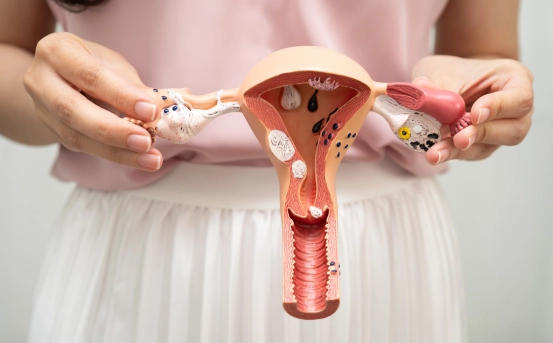
Cervical cancer is a serious condition that affects the cervix, the lower part of the uterus that connects to the vagina. It develops when abnormal cells in the cervix grow uncontrollably, potentially spreading to nearby tissues or organs if left untreated. While cervical cancer is one of the most preventable forms of cancer thanks to screening and vaccination, it remains a significant health concern worldwide, especially in women with limited access to healthcare. Early detection and awareness are crucial, as cervical cancer often develops slowly and may not show symptoms in its early stages.
Understanding the Cervical Cancer
Cervical cancer primarily results from persistent infection with the human papillomavirus (HPV). HPV is a common virus with many strains, some of which can trigger changes in cervical cells that may become cancerous over time. Not every HPV infection leads to cervical cancer; most infections are cleared naturally by the body. However, persistent infection with highrisk HPV types significantly increases the risk.
Other contributing factors include
- Smoking: Tobacco use weakens the immune system and increases vulnerability to cervical cell changes.
- Weakened Immune System: Conditions such as HIV or medications that suppress immunity can increase the risk of cervical abnormalities.
- Multiple Sexual Partners: Having multiple partners or early sexual activity can raise exposure to HPV.
- LongTerm Use of Oral Contraceptives: Extended use may slightly increase the risk, though benefits often outweigh risks.
- Other Infections: Coinfection with other sexually transmitted infections (STIs) may increase susceptibility to cervical changes.
Genetic and lifestyle factors may also play a role, but HPV remains the most significant cause.
Symptoms of Cervical Cancer
In the early stages, cervical cancer often does not produce noticeable symptoms, which is why regular screening is essential. As the disease progresses, symptoms may include
- Abnormal Vaginal Bleeding: This may occur between periods, after sexual intercourse, or after menopause.
- Unusual Vaginal Discharge: A watery, bloody, or foulsmelling discharge can indicate changes in cervical cells.
- Pelvic Pain: Pain during sexual activity or in the lower abdomen may be a sign of more advanced disease.
- Painful Urination or Bowel Movements: In advanced cases, the cancer can affect nearby organs, causing discomfort or pain.
- Fatigue and Unexplained Weight Loss: General signs of systemic illness may appear if the cancer spreads.
Because earlystage cervical cancer often has no symptoms, routine screening tests such as Pap smears and HPV tests are critical for early detection.
Diagnosis of Cervical Cancer
Diagnosis usually begins with a screening test. A Pap smear collects cells from the cervix to detect abnormal changes, while an HPV test identifies highrisk virus strains. If abnormal cells are found, further testing may include
- Colposcopy: A magnified examination of the cervix to identify abnormal areas.
- Biopsy: A small tissue sample is taken from the cervix for microscopic analysis.
- Imaging Tests: Ultrasound, MRI, or CT scans may be used to determine whether cancer has spread.
Timely and accurate diagnosis is essential to create an effective treatment plan and improve outcomes.
Treatment of Cervical Cancer
The treatment approach depends on several factors, including the size and extent of the cancer, the patient’s age, overall health, and desire to preserve fertility. While surgery, chemotherapy, and radiation therapy are common treatment options, they may be used alone or in combination.
- Surgery : Surgical procedures aim to remove cancerous tissue from the cervix and surrounding areas. Earlystage cancer may be treated with a simple removal of the affected tissue, while more extensive surgery may involve removing the uterus or nearby lymph nodes. Surgery is often recommended for patients whose cancer has not spread extensively.
- Radiation Therapy : Radiation uses highenergy beams to destroy cancer cells. It can be used as the primary treatment or after surgery to eliminate any remaining abnormal cells. Radiation therapy may be combined with chemotherapy to improve effectiveness.
- Chemotherapy : Chemotherapy uses drugs to kill cancer cells or slow their growth. It is often used in advanced stages, either alone or alongside radiation therapy. Chemotherapy can also help shrink tumors before surgery.
- Targeted Therapy and Immunotherapy : For certain patients, newer treatments such as targeted therapy or immunotherapy may be considered. These treatments work by identifying specific characteristics of cancer cells or by stimulating the body’s immune system to fight the disease.
- Palliative Care : In advanced or recurrent cases, palliative care focuses on relieving symptoms and improving quality of life. This may include pain management, nutritional support, and psychological counseling.
Prevention and Early Detection
Cervical cancer is highly preventable through vaccination, screening, and healthy lifestyle choices
- HPV Vaccination: Vaccines protect against the most dangerous strains of HPV and are recommended for young girls and boys before becoming sexually active.
- Regular Screening: Pap smears and HPV tests detect precancerous changes, allowing early intervention before cancer develops.
- Safe Sexual Practices: Using protection and limiting sexual partners reduces the risk of HPV infection.
- Healthy Lifestyle: Avoiding smoking, maintaining a balanced diet, and managing chronic conditions support overall immunity and lower risk.
Awareness and proactive health measures are critical to reducing the burden of cervical cancer globally.
Emotional and Social Impact
A diagnosis of cervical cancer can affect emotional wellbeing, relationships, and daytoday life. Anxiety, fear, and stress are common, and support from family, friends, and healthcare professionals is essential. Counseling and support groups provide a safe space to share experiences, manage emotions, and receive guidance during treatment and recovery.
Conclusion
Cervical cancer is a preventable yet serious disease that requires awareness, early detection, and timely treatment. Persistent HPV infection is the primary cause, and routine screening can save lives by identifying changes before they become cancerous. Symptoms often appear in later stages, making regular checkups and vaccination critical. Treatment options, including surgery, radiation, and chemotherapy, are effective in managing the disease and improving survival rates.
By understanding the causes, recognizing symptoms, and prioritizing prevention, individuals can take control of their cervical health and reduce the risk of this potentially lifethreatening condition. With timely intervention and ongoing care, cervical cancer is manageable, and survival rates continue to improve worldwide.