





Introduction
Chemotherapy is a powerful medical treatment used to fight cancer. It involves the use of drugs that work throughout the body to destroy cancerous cells, slow their growth, or prevent them from spreading. Unlike some localized treatments, chemotherapy targets cancer wherever it may be in the body, making it a critical part of modern cancer care.
Chemotherapy is often recommended for cancers that are aggressive, have spread to multiple areas, or cannot be treated solely through surgery or other interventions. It can be used alone or in combination with other treatments, such as radiation therapy or surgery, depending on the type, stage, and location of the cancer. Understanding how chemotherapy works, what it involves, and how patients can prepare for it is essential for anyone undergoing this treatment.
Understanding the Chemotherapy Treatment
Cancer cells are abnormal cells that grow and divide uncontrollably. Chemotherapy drugs target cells that divide rapidly, which includes most cancer cells. By interfering with the process of cell division, chemotherapy prevents the cancer from growing and spreading.
However, because some healthy cells also divide quickly like those in the hair follicles, digestive tract, and bone marrow they can be affected by chemotherapy as well. This is why patients may experience side effects such as hair loss, nausea, fatigue, or lowered immunity. Modern chemotherapy regimens are designed to maximize the impact on cancer cells while minimizing effects on healthy tissues, but some side effects are often unavoidable.
The Treatment Process
The process of chemotherapy is carefully planned and administered by a team of healthcare professionals, including oncologists, nurses, and pharmacists. Here’s what a typical treatment process looks like
- Assessment and Planning : Before starting chemotherapy, doctors assess the patient’s overall health, type of cancer, and stage. Blood tests and imaging studies may be conducted to determine the best approach. The oncologist then develops a personalized treatment plan, specifying dosage, schedule, and monitoring protocols.
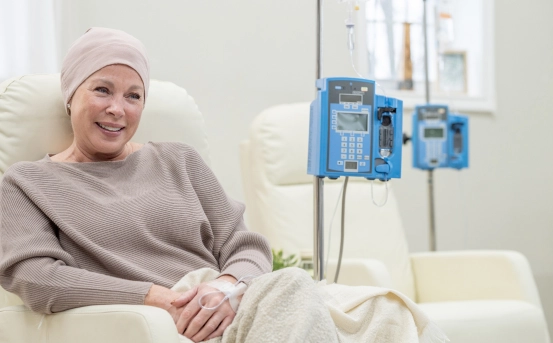
- Administration : Chemotherapy can be administered in several ways, including intravenous (IV) infusion, oral tablets, injections, or topical treatments for certain cancers. IV chemotherapy is the most common method, allowing the drugs to enter the bloodstream and reach cancer cells throughout the body.
- Treatment Cycles : Chemotherapy is usually given in cycles, with periods of treatment followed by rest periods. The rest periods allow the body to recover and reduce the risk of severe side effects. A typical cycle may last a few weeks, and multiple cycles are often necessary to achieve the best results.
- Monitoring : Throughout the treatment, patients are closely monitored. Blood tests check for changes in blood cell counts, kidney or liver function, and overall health. Imaging tests may be used periodically to assess the response of the cancer to the drugs.
- Adjustments : Based on the patient’s response and side effects, the oncologist may adjust the dosage, timing, or combination of drugs to ensure maximum effectiveness while maintaining safety.
Preparing for Chemotherapy
Preparation for chemotherapy involves both physical and emotional readiness. Patients are advised to
- Maintain a healthy diet and stay hydrated.
- Discuss all medications, supplements, or herbal products with their doctor, as some may interfere with treatment.
- Plan for support from family or friends, as fatigue and other side effects may limit daily activities.
- Understand potential side effects and ways to manage them, including antinausea medications and strategies for maintaining energy levels.
Mental preparation is equally important. Many patients experience anxiety or fear before starting chemotherapy. Counseling, support groups, and open communication with healthcare providers can help manage stress and improve adherence to treatment.
Side Effects and Management
While chemotherapy is highly effective, it can cause side effects because it affects both cancerous and healthy cells. Common side effects include
- Fatigue: Feeling unusually tired or weak, which may persist between treatment cycles.
- Hair Loss: Hair loss can occur on the scalp, eyebrows, or body but is usually temporary.
- Nausea and Vomiting: These can often be managed with antinausea medications prescribed by the oncologist.
- Infections: Reduced white blood cells can increase susceptibility to infections; patients may need to avoid crowded places or follow strict hygiene protocols.
- Mouth Sores and Digestive Issues: Changes in appetite, taste, or digestive discomfort may occur, requiring dietary adjustments.
Healthcare teams provide guidance on managing these side effects to maintain comfort and quality of life during treatment.
Benefits of Chemotherapy
Despite the challenges, chemotherapy provides significant benefits
- Kills or Shrinks Cancer Cells: Reducing tumor size or slowing cancer growth.
- Prevents Spread: Stops cancer from spreading to other parts of the body.
- Improves Survival Rates: Often increases the chances of longterm remission.
- Enhances Effectiveness of Other Treatments: Makes surgery or radiation therapy more effective by reducing tumor burden beforehand.
Chemotherapy may also be used to relieve symptoms in advanced cancer, improving comfort and overall wellbeing.
Recovery and FollowUp
After completing chemotherapy, patients enter a phase of recovery and monitoring. Regular followup appointments are scheduled to evaluate the effectiveness of treatment, detect any recurrence, and address longterm side effects. Patients are encouraged to maintain healthy habits, monitor their health, and communicate any new symptoms promptly.
Conclusion
Chemotherapy is a cornerstone of cancer treatment, offering hope and improved outcomes for patients with various forms of cancer. By targeting rapidly dividing cancer cells, it slows or stops the progression of disease, often in combination with other therapies. While side effects are a challenge, careful planning, support, and medical monitoring help patients navigate treatment safely.
Ultimately, chemotherapy is more than a set of drugs it is a comprehensive approach to fighting cancer, designed to give patients the best chance for survival, improved quality of life, and hope for the future. The collaboration between patients, oncologists, and healthcare teams ensures that treatment is personalized, effective, and as tolerable as possible, turning a daunting experience into a structured and supported journey toward recovery.



