Introduction
The esophagus is a vital muscular tube that connects the throat to the stomach, playing a crucial role in transporting food and liquids during swallowing. Although often overlooked, the esophagus is essential for proper digestion and overall gastrointestinal health. Any disorder affecting this structure can significantly impact a person’s ability to eat, drink, and maintain adequate nutrition. Esophageal diseases encompass a wide range of conditions that interfere with the normal function of the esophagus, leading to discomfort, pain, and potentially serious complications if left untreated.
These diseases may develop gradually or suddenly and can affect individuals of all ages. Understanding esophageal diseases, their causes, symptoms, diagnosis, and management is essential for early detection and effective treatment.
How Esophageal Diseases Develop
Esophageal diseases arise when the normal structure or function of the esophagus is disrupted. This disruption may occur due to inflammation, infection, abnormal muscle contractions, injury to the esophageal lining, or long-term exposure to stomach acids. The esophagus relies on coordinated muscular movements to push food downward, and any disturbance in this process can lead to swallowing difficulties and discomfort.
Lifestyle factors such as poor dietary habits, smoking, alcohol consumption, obesity, and chronic stress can contribute to esophageal problems. In some cases, underlying medical conditions or prolonged medication use may also affect esophageal health. Over time, repeated irritation or damage can lead to progressive symptoms that interfere with daily life.
Common Symptoms
Esophageal diseases often present with noticeable symptoms, although the severity can vary. One of the most common symptoms is difficulty swallowing, which may feel like food is stuck in the throat or chest. This sensation can cause anxiety during meals and may lead individuals to avoid eating altogether. Heartburn or a burning sensation behind the breastbone is another frequent complaint. This discomfort may worsen after meals or when lying down. Chest pain, which can sometimes mimic heart-related pain, is also common and should always be evaluated carefully. Other symptoms include persistent cough, hoarseness of voice, frequent throat clearing, regurgitation of food or sour liquid, and unexplained weight loss. In advanced cases, individuals may experience vomiting, bleeding, or severe pain, which requires immediate medical attention.
Diagnostic Evaluation
Diagnosing esophageal diseases involves a combination of clinical evaluation and specialized tests. A detailed medical history helps physicians understand the pattern and duration of symptoms, lifestyle factors, and any underlying health conditions. Imaging and visual examinations are commonly used to assess the structure and function of the esophagus. These tests allow doctors to identify inflammation, narrowing, ulcers, or abnormal movements. In some cases, tissue samples may be collected for laboratory analysis to determine the presence of infection or abnormal cell changes. Functional studies may also be conducted to evaluate how well the esophagus moves food toward the stomach. Accurate diagnosis is crucial because treatment strategies depend on identifying the underlying cause of the condition.
Treatment Approaches
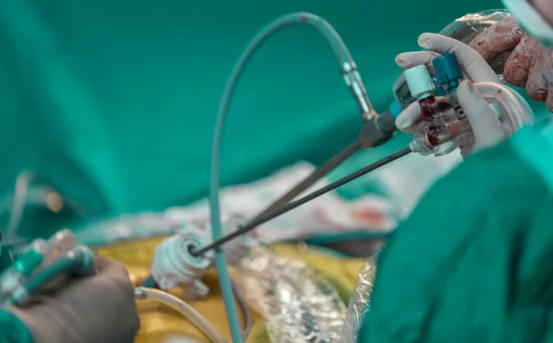
The treatment of esophageal diseases focuses on relieving symptoms, healing damaged tissue, and preventing complications. Management often begins with lifestyle modifications, such as adjusting dietary habits, avoiding trigger foods, maintaining a healthy weight, and reducing alcohol and tobacco use. Medications may be prescribed to reduce irritation, control acid exposure, or improve esophageal muscle function. These treatments help promote healing and reduce discomfort. Patients are often advised to eat smaller meals, avoid lying down immediately after eating, and elevate the head during sleep to minimize symptoms. In more severe cases, medical procedures or surgical intervention may be necessary. These interventions aim to restore normal esophageal function, relieve obstructions, or repair damaged areas. Advances in minimally invasive techniques have improved outcomes and reduced recovery times for many patients.
Possible Complications
If esophageal diseases are not treated appropriately, they can lead to serious complications. Chronic irritation may cause narrowing of the esophagus, making swallowing increasingly difficult. Persistent symptoms can also affect nutrition, leading to weight loss, weakness, and reduced quality of life. Long-term damage to the esophageal lining increases the risk of bleeding and infection. In some cases, abnormal tissue changes may occur, which require close monitoring and ongoing medical care. Early diagnosis and timely treatment are essential to prevent these complications and preserve esophageal health.
Living with Esophageal Diseases
Living with an esophageal condition can be challenging, especially when symptoms interfere with eating and daily activities. However, with proper medical care and lifestyle adjustments, most individuals can manage their symptoms effectively. Patient education plays a vital role in long-term management. Understanding dietary triggers, medication adherence, and symptom monitoring empowers individuals to take control of their health. Regular follow-up appointments ensure that treatment remains effective and adjustments are made when necessary. Emotional well-being is also important, as chronic symptoms can cause stress and anxiety. Support from healthcare professionals, family, and lifestyle counseling can help patients cope with the condition and maintain a good quality of life.
Prevention and Awareness
While not all esophageal diseases can be prevented, adopting healthy habits can significantly reduce the risk. Eating a balanced diet, staying hydrated, avoiding excessive alcohol intake, and quitting smoking are key preventive measures. Managing stress and maintaining a healthy weight also contribute to better digestive health. Being aware of early symptoms and seeking medical advice promptly can prevent minor issues from progressing into serious conditions. Regular health check-ups and open communication with healthcare providers are essential for early detection and effective management.
Conclusion
Esophageal diseases are conditions that affect the structure and function of the esophagus, often leading to discomfort, difficulty swallowing, and impaired quality of life. Although symptoms may vary, early recognition and proper diagnosis are critical for successful treatment. With advances in medical care, lifestyle management, and minimally invasive procedures, most individuals can achieve significant symptom relief and maintain long-term esophageal health.
Raising awareness about esophageal diseases encourages early intervention, reduces complications, and promotes better overall digestive well-being. Consulting a healthcare professional at the first sign of symptoms ensures timely care and improves outcomes, allowing individuals to continue leading healthy and active lives.