Introduction
Neuro rehabilitation is a specialized branch of medicine focused on helping individuals recover from nervous system injuries or disorders. The nervous system, which includes the brain, spinal cord, and peripheral nerves, controls every aspect of movement, sensation, and cognition. When this system is damaged due to conditions like stroke, traumatic brain injury, spinal cord injury, multiple sclerosis, or other neurological disorders, it can profoundly affect a person’s quality of life. Neuro rehabilitation aims to restore function, improve independence, and enhance overall wellbeing by promoting recovery, compensating for deficits, and preventing secondary complications.
Unlike traditional rehabilitation, neurorehabilitation takes a holistic approach. It not only addresses physical limitations but also incorporates cognitive, emotional, and social aspects of recovery. This comprehensive care ensures that patients regain as much normal function as possible while adapting to new challenges.
Understanding the Neuro Rehabilitation Restoring
The primary goal of neurorehabilitation is to help individuals regain independence and improve their daily functioning. This involves several interrelated objectives
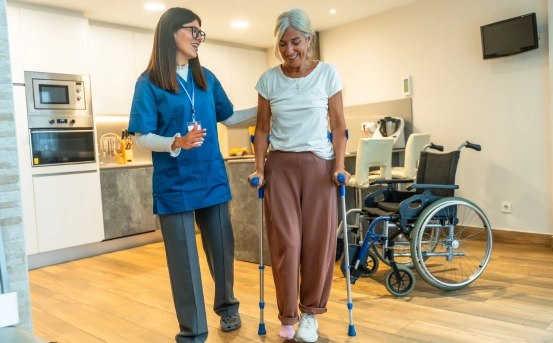
- Restoring Mobility and Function: Neurological injuries often impair movement, coordination, and balance. Rehabilitation focuses on retraining the nervous system to improve muscle strength, joint flexibility, and motor control.
- Enhancing Cognitive Abilities: Many neurological disorders affect memory, attention, problem solving, and other cognitive functions. Neurorehabilitation provides exercises and strategies to maximize cognitive recovery and adaptability.
- Improving Communication: Speech and language can be severely impacted, especially after conditions like stroke or traumatic brain injury. Rehabilitation addresses both verbal and nonverbal communication to facilitate social interaction.
- Pain Management and Symptom Control: Chronic pain, spasticity, and fatigue are common after neurological injury. Neurorehabilitation incorporates techniques to manage these symptoms and enhance comfort.
- Preventing Complications: Immobility and nerve damage can lead to secondary issues such as pressure sores, contractures, or infections. Rehabilitation includes preventive strategies to reduce these risks.
- Promoting Psychological Wellbeing: Living with neurological deficits can cause anxiety, depression, or frustration. Neurorehabilitation integrates emotional support, counseling, and coping strategies to maintain mental health.
The Neuro Rehabilitation Process
Neurorehabilitation begins with a comprehensive assessment by a multidisciplinary team of specialists. This team may include neurologists, physiatrists, physical therapists, occupational therapists, speech therapists, neuropsychologists, and social workers. The initial evaluation identifies the patient’s specific deficits, overall health, and personal goals, forming the foundation for a tailored rehabilitation plan.
Once a plan is established, therapy progresses in a structured and patient centered manner. Physical exercises aim to strengthen muscles, improve range of motion, and enhance coordination. Therapists often use repetition and task specific practice to encourage the nervous system to form new neural pathways, a phenomenon known as neuroplasticity, which allows the brain to reorganize itself and compensate for damaged areas.
Cognitive exercises are integrated alongside physical rehabilitation to retrain attention, memory, and executive function. Adaptive strategies may be introduced to help patients perform daily activities more efficiently, such as using memory aids, modified utensils, or assistive technology.
Speech and communication therapy often runs in parallel, especially for patients recovering from brain injuries or strokes. Therapists help patients regain their ability to speak clearly, understand language, and communicate effectively using alternative methods if needed.
The process is highly iterative, with progress evaluated regularly. Rehabilitation plans are adjusted based on recovery patterns, emerging challenges, and patient feedback. This ensures that therapy remains relevant, targeted, and effective.
Benefits of Neuro Rehabilitation
Neurorehabilitation offers a wide range of benefits that extend beyond physical recovery
- Enhanced Independence: Patients learn to perform daily activities, reducing reliance on caregivers.
- Improved Quality of Life: By regaining functional abilities, patients can return to work, hobbies, and social interactions.
- Reduced Risk of Secondary Complications: Rehabilitation strategies help prevent infections, contractures, falls, and other health issues.
- Psychological Resilience: Patients build confidence, cope with stress, and develop a positive outlook on recovery.
- Maximized Recovery Potential: Early and intensive rehabilitation often leads to better longterm outcomes.
Research has shown that neurorehabilitation significantly improves functional outcomes, even in patients with severe neurological deficits. The brain’s ability to adapt, combined with consistent, targeted therapy, allows many individuals to regain skills thought to be permanently lost.
Challenges in Neuro Rehabilitation
Despite its benefits, neurorehabilitation can be demanding for both patients and caregivers. Recovery is often slow and requires patience, persistence, and consistent effort. Some challenges include
- Fatigue and Pain : Intense therapy can be exhausting, especially for individuals with limited energy reserves.
- Emotional Stress : The frustration of slow progress may affect motivation and mental health.
- Access to Care : Advanced neurorehabilitation facilities may not be readily available in all regions.
- Individual Variation : Recovery rates and potential vary widely depending on age, severity of injury, and overall health.
Addressing these challenges requires close support from healthcare providers, family members, and patient support networks. Encouragement, adaptive strategies, and realistic goalsetting play key roles in overcoming obstacles.
Conclusion
Neurorehabilitation is a vital and dynamic field of medicine dedicated to helping individuals recover from neurological injuries and disorders. By addressing physical, cognitive, and emotional deficits, it empowers patients to regain independence, improve quality of life, and prevent complications. The process is highly personalized, involving careful assessment, targeted therapy, and ongoing evaluation to maximize recovery potential.
Although challenges exist, the combination of neuroplasticity, structured therapy, and multidisciplinary care allows many patients to achieve remarkable improvements, even after severe neurological damage. Neurorehabilitation not only restores function but also offers hope, resilience, and a pathway toward a meaningful and fulfilling life after neurological injury.