Introduction
Obstetrics is a vital branch of medical science dedicated to the care of women during pregnancy, childbirth, and the postpartum period. It focuses on ensuring the health and safety of both the mother and the developing baby throughout the journey from conception to delivery and beyond. Obstetric care plays a crucial role in monitoring fetal growth, managing maternal health conditions, and addressing complications that may arise before, during, or after childbirth. With advancements in medical technology and clinical practices, obstetrics has significantly contributed to reducing maternal and neonatal complications, improving outcomes, and supporting healthy pregnancies worldwide.
Understanding the Obstetrics Treatment
Obstetrics is central to women’s reproductive health, particularly during pregnancy. From the early confirmation of pregnancy to delivery and recovery after childbirth, obstetric care ensures continuous monitoring and support. Obstetricians are trained to evaluate both maternal and fetal well-being, identify potential risks, and intervene when necessary to protect lives. Pregnancy brings significant physical and hormonal changes, making specialized medical supervision essential. Obstetric care includes routine check-ups, screenings, nutritional guidance, and counseling to support a healthy pregnancy. It also helps women understand the changes occurring in their bodies and prepares them mentally and physically for childbirth.
Prenatal Care and Monitoring
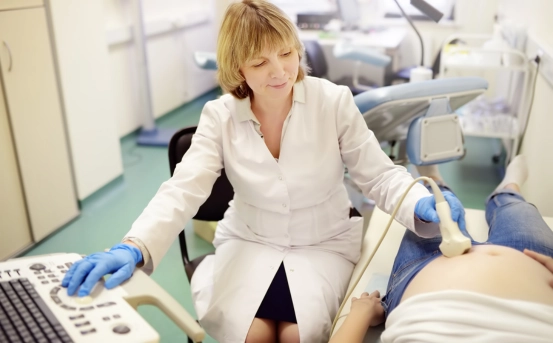
One of the most important aspects of obstetrics is prenatal care. Regular prenatal visits allow healthcare providers to track fetal development and maternal health over time. These visits typically include physical examinations, blood pressure monitoring, laboratory tests, and imaging studies to assess fetal growth and placental health. Prenatal care helps identify conditions such as anemia, gestational diabetes, high blood pressure, and infections at an early stage. Early detection allows timely treatment, reducing the risk of complications for both the mother and the baby. Obstetricians also provide guidance on nutrition, physical activity, weight management, and lifestyle habits that promote a healthy pregnancy. Emotional well-being is another essential component of prenatal care. Obstetric professionals address stress, anxiety, and mental health concerns, recognizing that emotional health significantly influences pregnancy outcomes.
Management of Pregnancy Complications
Obstetrics plays a critical role in managing complications that may arise during pregnancy. These complications can affect the mother, the fetus, or both and may require close monitoring or medical intervention. Conditions such as preeclampsia, fetal growth restriction, abnormal bleeding, and infections demand prompt attention and specialized care. Obstetricians are trained to recognize warning signs and make informed decisions to prevent worsening conditions. In high-risk pregnancies, additional monitoring and coordinated care with other medical specialists may be required. The goal is always to maintain the safest possible environment for fetal development while protecting the mother’s health.
Care During Labor and Childbirth
Labor and childbirth represent one of the most critical phases of obstetric care. During this time, obstetric professionals monitor contractions, fetal heart rate, maternal vital signs, and labor progression. Continuous assessment allows early identification of complications such as prolonged labor, fetal distress, or excessive bleeding. Obstetric care during childbirth focuses on ensuring a safe delivery while minimizing stress and discomfort for the mother. Pain management, emotional support, and clear communication are key elements of this stage. The presence of skilled obstetric professionals during labor significantly reduces the risk of birth-related complications and ensures immediate response to emergencies if they arise.
Postpartum Care and Recovery
Obstetrics does not end with childbirth. Postpartum care is an essential part of maternal health, addressing physical recovery, emotional well-being, and newborn care. After delivery, the mother’s body undergoes significant changes as it returns to its pre-pregnancy state. Obstetric care during this period includes monitoring for infections, bleeding, and blood pressure changes. Postpartum visits also provide an opportunity to address concerns such as breastfeeding, nutrition, emotional health, and family planning. Emotional conditions, including postpartum depression, are recognized and managed through timely support and intervention. Comprehensive postpartum care ensures that mothers recover safely and confidently adjust to their new roles.
Importance of Preventive Obstetric Care
Preventive care is a cornerstone of obstetrics. Through regular monitoring, education, and early intervention, many pregnancy-related complications can be prevented or managed effectively. Obstetric care empowers women with knowledge about their health, helping them make informed decisions throughout pregnancy and childbirth. Education on warning signs, healthy habits, and self-care plays a significant role in improving outcomes. Preventive obstetrics also emphasizes the importance of follow-up care and long-term maternal health after pregnancy, ensuring that women remain healthy well beyond childbirth.
Advancements in Obstetrics
Modern obstetrics has benefited greatly from technological advancements and evidence-based practices. Improved diagnostic tools, enhanced monitoring techniques, and better surgical and medical interventions have transformed maternal and fetal care. These advancements allow obstetricians to detect problems earlier, provide safer care, and tailor treatment plans to individual needs. Research and innovation continue to shape obstetric practices, focusing on patient safety, comfort, and positive birth experiences. The integration of technology with compassionate care has strengthened the overall quality of obstetric services.
Conclusion
Obstetrics is a foundational pillar of maternal and child healthcare, guiding women through one of the most important phases of life. From early pregnancy monitoring to childbirth and postpartum recovery, obstetric care ensures the health, safety, and well-being of both mother and baby. Through preventive care, early detection of complications, and skilled management during labor and recovery, obstetrics plays a vital role in promoting healthy pregnancies and successful outcomes.
With continuous advancements in medical science and a strong focus on compassionate care, obstetrics remains essential in supporting women through pregnancy, childbirth, and beyond. Seeking timely and regular obstetric care is one of the most important steps toward a safe and healthy motherhood journey.