Introduction
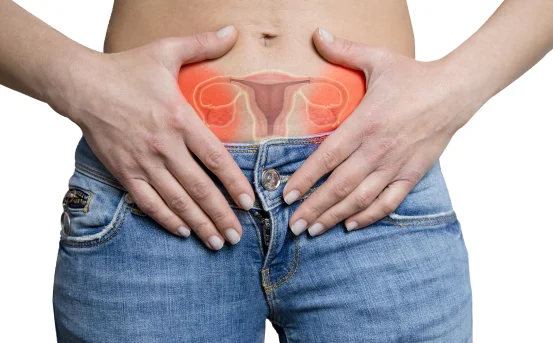
Pelvic Venous Congestion Syndrome (PVCS) is a chronic medical condition that primarily affects women and is often an overlooked cause of long-standing pelvic pain. It occurs when veins in the pelvic region become enlarged and fail to function properly, leading to blood pooling and increased pressure within the veins. This venous congestion can result in persistent discomfort that may worsen over time and significantly affect a person’s quality of life.
Many individuals with Pelvic Venous Congestion Syndrome experience symptoms for years before receiving an accurate diagnosis, as the condition can mimic other gynecological or gastrointestinal disorders. Understanding the causes, symptoms, diagnostic process, and available treatments is essential for early recognition and effective management of this condition.
Understanding the Pelvic Venous Congestion Syndrome
Pelvic Venous Congestion Syndrome develops when the veins responsible for draining blood from the pelvic organs lose their ability to maintain normal blood flow. Healthy veins rely on one-way valves to move blood efficiently back toward the heart. When these valves weaken or fail, blood flows backward and accumulates within the pelvic veins. This buildup causes the veins to stretch, enlarge, and become congested, leading to chronic pain and pressure. The pelvic region contains a complex network of veins that support organs such as the uterus, ovaries, bladder, and rectum. When congestion occurs in this network, it can disrupt normal circulation and irritate surrounding tissues, resulting in discomfort that is often difficult to pinpoint.
Causes and Risk Factors
Several factors contribute to the development of Pelvic Venous Congestion Syndrome. Hormonal influences play a significant role, as estrogen can weaken vein walls and reduce valve strength, making women more susceptible to venous dilation. Pregnancy is another major contributing factor, as increased blood volume and pressure on pelvic veins during pregnancy can cause permanent vein damage. Other contributing factors include a family history of vein disorders, prolonged standing or sitting, obesity, and conditions that increase pressure within the abdomen. Over time, these factors can impair venous circulation and promote the development of chronic pelvic congestion.
Common Symptoms
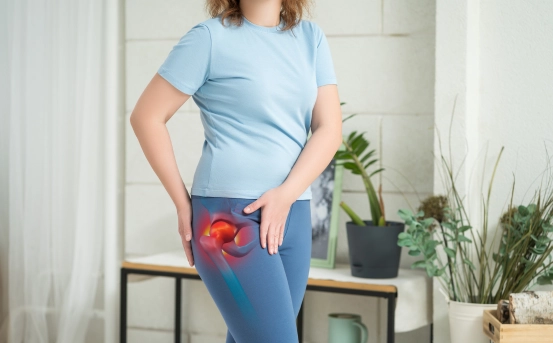
The hallmark symptom of Pelvic Venous Congestion Syndrome is chronic pelvic pain, typically lasting longer than six months. The pain is often described as dull, aching, or heavy and may worsen toward the end of the day or after prolonged standing. Many patients report increased discomfort during or after physical activity. Pain may also intensify during menstruation or after sexual intercourse, which can significantly impact emotional well-being and intimate relationships. Some individuals experience lower back pain, leg discomfort, or a sensation of fullness in the pelvic region. In certain cases, visible varicose veins may appear around the hips, buttocks, or upper thighs. Because these symptoms overlap with other pelvic conditions, Pelvic Venous Congestion Syndrome is frequently misdiagnosed or diagnosed late.
Diagnostic Evaluation
Diagnosing Pelvic Venous Congestion Syndrome requires a detailed medical history and physical examination, followed by specialized imaging studies. Doctors often begin by ruling out other causes of pelvic pain, such as endometriosis, fibroids, or urinary tract disorders. Imaging tests play a crucial role in confirming the diagnosis. Ultrasound may be used as an initial screening tool to detect dilated pelvic veins and assess blood flow. Advanced imaging techniques, such as magnetic resonance imaging (MRI) or computed tomography (CT) scans, provide detailed views of the pelvic vasculature and help identify venous abnormalities. In some cases, venography is performed as a diagnostic procedure. This involves injecting contrast dye into the veins to visualize blood flow patterns and confirm venous congestion. Accurate diagnosis is essential for developing an effective treatment plan.
Treatment Approaches
The treatment of Pelvic Venous Congestion Syndrome focuses on relieving symptoms, improving blood flow, and preventing further vein damage. The choice of treatment depends on the severity of symptoms and the patient’s overall health. Conservative management may include pain-relieving medications, hormonal therapy to reduce venous dilation, and lifestyle modifications such as regular exercise, weight management, and avoiding prolonged standing. These measures can help alleviate mild symptoms and improve circulation. For individuals with persistent or severe symptoms, minimally invasive procedures are often recommended. These procedures aim to block or close the affected veins, redirecting blood flow through healthier pathways. By reducing venous congestion, these treatments provide significant pain relief and improve daily functioning. Surgical intervention is considered in rare cases when other treatments fail. Surgical approaches focus on correcting venous abnormalities and restoring proper circulation within the pelvic region. Most patients experience substantial improvement after appropriate treatment.
Recovery and Long-Term Management
Recovery from treatment for Pelvic Venous Congestion Syndrome varies depending on the chosen approach. Minimally invasive procedures typically involve shorter recovery times and allow patients to return to normal activities within a few days. Pain relief often improves gradually as circulation stabilizes. Long-term management includes maintaining a healthy lifestyle, staying physically active, and attending follow-up appointments to monitor vein health. Avoiding risk factors that contribute to venous pressure can help prevent symptom recurrence and support long-term well-being.
Impact on Quality of Life
Living with Pelvic Venous Congestion Syndrome can be physically and emotionally challenging. Chronic pelvic pain can interfere with work, social activities, and personal relationships. Early diagnosis and proper treatment can significantly improve quality of life by reducing pain, restoring mobility, and enhancing emotional health. Awareness of this condition is essential for both patients and healthcare providers, as timely intervention can prevent years of unnecessary discomfort and frustration.
Conclusion
Pelvic Venous Congestion Syndrome is a chronic vascular condition that plays a significant role in persistent pelvic pain, particularly among women. Caused by impaired venous circulation in the pelvic region, the condition often goes undiagnosed due to its complex and overlapping symptoms. Understanding its underlying mechanisms, recognizing early warning signs, and seeking appropriate medical evaluation are crucial steps toward effective management.
With advances in diagnostic imaging and minimally invasive treatments, Pelvic Venous Congestion Syndrome is now more treatable than ever. Proper care can provide lasting symptom relief, restore normal daily activities, and greatly improve overall quality of life. Early recognition and expert medical guidance remain key to achieving the best outcomes for those affected by this condition.