Introduction
Renal artery stenosis is a medical condition characterized by the narrowing of one or both arteries that supply blood to the kidneys. The kidneys play a vital role in regulating blood pressure, filtering waste from the blood, and maintaining fluid and electrolyte balance. When blood flow to the kidneys is reduced due to narrowing of the renal arteries, these essential functions can become impaired. Over time, this condition may lead to uncontrolled high blood pressure, reduced kidney function, or even kidney failure if left untreated.
Renal artery stenosis often develops gradually and may not produce noticeable symptoms in its early stages. Because of this, the condition is sometimes discovered incidentally during investigations for high blood pressure or declining kidney function. Understanding how renal artery stenosis affects the body is crucial for early detection, appropriate management, and prevention of serious complications.
Understanding the Renal Artery Stenosis
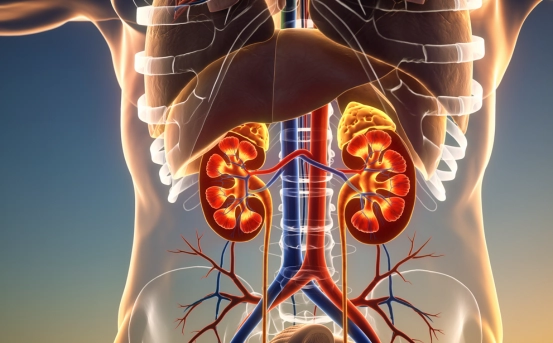
The renal arteries deliver oxygen-rich blood to the kidneys. When these arteries become narrowed, the kidneys receive less blood than they need to function properly. In response, the kidneys interpret the reduced blood flow as low blood pressure. This triggers the release of hormones such as renin, which activate the renin-angiotensin-aldosterone system. As a result, blood pressure throughout the body rises in an attempt to restore adequate blood flow to the kidneys.
While this mechanism may help temporarily, persistent narrowing of the renal arteries causes sustained high blood pressure. Over time, the kidneys themselves may suffer damage due to inadequate oxygen and nutrient delivery. This creates a harmful cycle in which high blood pressure worsens kidney damage, and kidney damage further increases blood pressure.
Common Causes and Risk Factors
Renal artery stenosis is often associated with conditions that affect blood vessels. Certain factors increase the risk of developing this condition, including advancing age, long-standing high blood pressure, smoking, diabetes, high cholesterol levels, and a history of cardiovascular disease. These factors can contribute to changes in the arterial walls, leading to narrowing and reduced elasticity. Additionally, individuals with a family history of vascular or kidney disease may be at higher risk. Chronic inflammation or injury to blood vessels can also play a role. Although renal artery stenosis can affect people of any age, it is more commonly diagnosed in older adults.
Symptoms and Clinical Presentation
In many cases, renal artery stenosis does not cause noticeable symptoms in its early stages. The most common clinical sign is high blood pressure that is difficult to control with standard medications. Patients may require multiple antihypertensive drugs with limited success, prompting further investigation. As the condition progresses, symptoms related to declining kidney function may appear. These can include fatigue, swelling in the legs or ankles, reduced urine output, shortness of breath, or unexplained weight gain due to fluid retention. Some individuals may experience sudden worsening of kidney function, especially after starting certain blood pressure medications. Because these symptoms are often nonspecific, renal artery stenosis can be challenging to diagnose without targeted medical evaluation.
Diagnostic Evaluation
Diagnosing renal artery stenosis requires a combination of clinical assessment and imaging studies. Doctors typically begin by reviewing the patient’s medical history, blood pressure readings, and kidney function tests. Blood and urine tests may reveal abnormalities suggesting impaired kidney function. Imaging techniques play a crucial role in confirming the diagnosis. Ultrasound of the kidneys and renal arteries is often used as an initial, non-invasive test to assess blood flow. Advanced imaging methods such as computed tomography angiography or magnetic resonance angiography provide detailed images of the renal arteries and help determine the extent of narrowing. In certain cases, specialized tests may be used to evaluate how well the kidneys are functioning individually. Early and accurate diagnosis is essential to guide appropriate treatment decisions.
Impact on Kidney Function and Blood Pressure
Renal artery stenosis has a significant impact on both kidney health and cardiovascular function. Reduced blood flow limits the kidneys’ ability to filter waste effectively, leading to gradual loss of kidney function. If the condition progresses unchecked, it may result in chronic kidney disease or end-stage renal failure. At the same time, the persistent activation of hormonal pathways causes elevated blood pressure, increasing the risk of heart attack, stroke, and other cardiovascular complications. The combination of kidney impairment and uncontrolled hypertension makes renal artery stenosis a serious condition that requires careful monitoring and management.
Treatment Approaches
The management of renal artery stenosis focuses on restoring adequate blood flow to the kidneys, controlling blood pressure, and preserving kidney function. Treatment plans are individualized based on the severity of the condition, kidney function, and overall health of the patient. Medical management often includes medications to control blood pressure, reduce cholesterol levels, and manage underlying conditions such as diabetes. Lifestyle modifications, including smoking cessation, a balanced diet, regular physical activity, and weight control, play an essential role in improving vascular health. In cases where kidney function continues to decline or blood pressure remains uncontrolled, interventional procedures may be considered to improve blood flow. The decision to pursue advanced treatment is made after careful evaluation by specialists.
Prognosis and Long-Term Outlook
The long-term outlook for individuals with renal artery stenosis depends on how early the condition is detected and how effectively it is managed. With timely diagnosis and appropriate treatment, many patients can maintain stable kidney function and achieve better blood pressure control. Regular follow-up is important to monitor kidney health, blood pressure levels, and response to treatment. Without proper management, renal artery stenosis can lead to progressive kidney damage and increased cardiovascular risk. Early intervention significantly improves outcomes and quality of life.
Conclusion
Renal artery stenosis is a potentially serious condition that affects the blood supply to the kidneys and disrupts their ability to regulate blood pressure and filter waste from the body. Often silent in its early stages, the condition may present as difficult-to-control hypertension or unexplained decline in kidney function. Understanding the underlying mechanisms, recognizing risk factors, and seeking timely medical evaluation are essential steps in preventing complications.
With appropriate diagnosis, medical management, lifestyle changes, and close monitoring, many individuals with renal artery stenosis can lead healthy, active lives. Awareness and early intervention remain key to preserving kidney function and reducing long-term cardiovascular risks.