Introduction
Uterine cancer is a serious health condition that affects the uterus, a vital reproductive organ in women responsible for menstruation, pregnancy, and childbirth. It is one of the most commonly diagnosed gynecological cancers and usually develops after menopause, though it can occur in younger women as well. Early detection plays a crucial role in successful treatment, as uterine cancer often presents noticeable symptoms in its initial stages. Understanding uterine cancer, the causes, warning signs, diagnosis, and treatment options can empower women to seek timely medical care and improve outcomes.
Understanding Uterine Cancer
The uterus is a hollow, pear-shaped organ located in the pelvis. It plays a central role in female reproductive health. Uterine cancer occurs when abnormal cells grow uncontrollably within the uterus, forming a tumor. Over time, these cancerous cells may invade nearby tissues or spread to other parts of the body if left untreated. The development of uterine cancer is often influenced by hormonal imbalances, particularly prolonged exposure to estrogen without sufficient progesterone, which can stimulate abnormal cell growth.
Causes and Risk Factors
While the exact cause of uterine cancer is not always clear, several factors increase the likelihood of its development. Hormonal imbalance is one of the most significant contributors. Conditions that result in higher estrogen levels, such as obesity or irregular ovulation, may elevate the risk. Age is another important factor, as uterine cancer is more common in women over the age of 50. Additional risk factors include a history of infertility, early onset of menstruation, late menopause, diabetes, and high blood pressure. Genetic predisposition may also play a role, particularly in women with a family history of gynecological cancers. Long-term use of certain medications or hormone therapies without proper medical supervision can further increase the risk.
Symptoms and Warning Signs
One of the most important aspects of uterine cancer is that it often presents symptoms early, making prompt diagnosis possible. The most common symptom is abnormal vaginal bleeding. This may include bleeding after menopause, unusually heavy menstrual periods, or bleeding between cycles. Any postmenopausal bleeding should be evaluated immediately, as it is not considered normal. Other symptoms may include pelvic pain or pressure, pain during intercourse, unexplained weight loss, fatigue, and abnormal vaginal discharge. Some women may also experience difficulty or pain during urination if the cancer affects surrounding tissues. While these symptoms can be associated with non-cancerous conditions, persistent or worsening signs should never be ignored.
Diagnosis of Uterine Cancer
Diagnosing uterine cancer involves a combination of medical history assessment, physical examination, and diagnostic tests. A pelvic examination allows the doctor to assess the size and shape of the uterus and identify any abnormalities. Imaging studies such as ultrasound are commonly used to examine the uterine lining and detect unusual thickening or masses. A definitive diagnosis is usually made through a biopsy, where a small tissue sample is taken from the uterus and examined under a microscope for cancerous cells. In some cases, advanced imaging tests such as MRI or CT scans may be recommended to determine whether the cancer has spread beyond the uterus. Accurate diagnosis is essential for developing an effective treatment plan.
Treatment Options
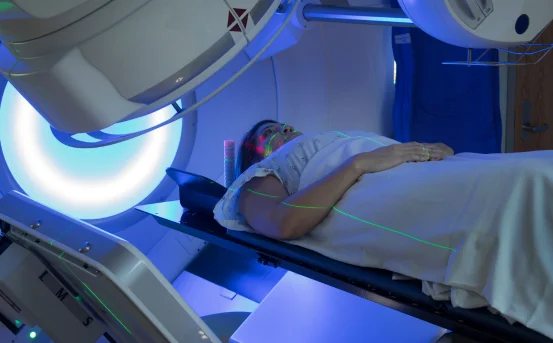
The treatment of uterine cancer depends on factors such as the stage of the disease, the patient’s overall health, and future fertility considerations. Surgery is often the primary treatment and may involve removal of the uterus and surrounding tissues to eliminate cancer cells. This approach is highly effective when the disease is detected early. In addition to surgery, other treatments may be recommended to destroy remaining cancer cells or prevent recurrence. Radiation therapy uses high-energy beams to target cancerous tissues, while chemotherapy involves medications that kill or slow the growth of cancer cells. Hormonal therapy may also be used in certain cases to block the effects of estrogen and inhibit cancer growth. Treatment plans are individualized, and many patients receive a combination of therapies to achieve the best possible outcome. Advances in medical technology have significantly improved treatment effectiveness and reduced side effects.
Recovery and Follow-Up Care
Recovery after uterine cancer treatment varies depending on the type of therapy received. Surgical recovery may take several weeks, during which patients are advised to rest, avoid strenuous activities, and attend follow-up appointments. Emotional support and counseling can also play an important role in recovery, as a cancer diagnosis can have a profound psychological impact.
Regular follow-up care is essential to monitor for any signs of recurrence and manage long-term side effects of treatment. Follow-up visits typically include physical exams, imaging tests, and blood work as needed. Maintaining a healthy lifestyle, including balanced nutrition, regular exercise, and stress management, can support overall well-being during recovery.
Prevention and Early Detection
While uterine cancer cannot always be prevented, certain steps can reduce the risk. Maintaining a healthy weight, managing chronic conditions such as diabetes, and seeking medical advice before starting hormone therapy can help lower risk. Regular gynecological check-ups are crucial, especially for postmenopausal women.
Being attentive to bodily changes and reporting abnormal bleeding or pelvic discomfort promptly can lead to early detection, when treatment is most effective. Awareness and education remain powerful tools in reducing the impact of uterine cancer.
Conclusion
Uterine cancer is a significant health concern that affects many women, particularly later in life. However, with early detection, accurate diagnosis, and appropriate treatment, outcomes are often favorable. Recognizing symptoms, understanding risk factors, and seeking timely medical attention can make a substantial difference in prognosis. Advances in medical care continue to improve survival rates and quality of life for women affected by uterine cancer. By prioritizing regular health screenings and staying informed, women can take proactive steps toward protecting their reproductive health and overall well-being.