Introduction
The liver and bile ducts play crucial roles in keeping your body healthy. They help in digestion, filter toxins, store nutrients, and maintain overall metabolic balance. When any condition affects these organs, it can significantly disturb the functioning of the entire digestive and metabolic system. Liver and bile duct diseases are extremely common worldwide and may range from mild inflammation to life-threatening illness. Early awareness and timely diagnosis can prevent complications and improve long-term health outcomes.
Understanding the Liver and Bile Ducts
The liver is the largest internal organ of the human body. It performs over 500 important functions, including detoxification, protein synthesis, blood clot regulation, and producing bile for digestion.
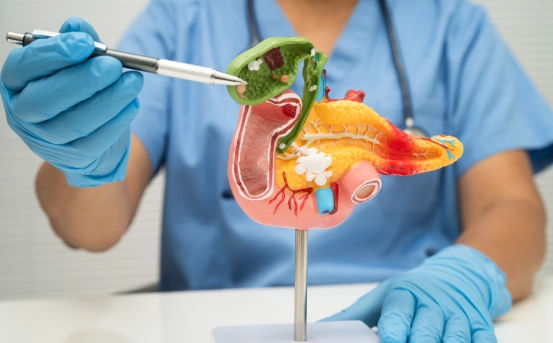
The bile ducts are a network of tubes that transport bile from the liver to the gallbladder and small intestine. Bile helps digest fats and remove waste from the body.
When either of these organs is affected, the flow of bile can become restricted, liver cells may get damaged, and toxins can begin to accumulate in the body. This can lead to a variety of diseases that require medical attention.
What Are Liver and Bile Duct Diseases?
Liver and bile duct diseases are a group of conditions that affect the structure or function of the liver and its associated ducts. These may include inflammation, infections, blockages, tumors, or metabolic disorders. Some develop gradually over years, while others can occur suddenly.
These diseases can be broadly divided into
- Liver diseases (hepatitis, fatty liver, cirrhosis, liver cancer, etc.)
- Bile duct diseases (gallstones, cholangitis, biliary strictures, bile duct cancer, etc.)
Although different, both systems are closely connected. Sometimes a disease in the bile ducts can directly harm the liver, and vice-versa. That’s why understanding both is important for early diagnosis.
Common Liver Diseases
- Fatty Liver Disease (NAFLD & AFLD) :- Fatty liver occurs when excessive fat builds up in the liver.
- NAFLD (Non-Alcoholic Fatty Liver Disease) happens due to obesity, diabetes, or poor lifestyle.
- AFLD (Alcoholic Fatty Liver Disease) is caused by long-term alcohol intake.
If untreated, fatty liver can progress to inflammation, fibrosis, and cirrhosis.
- Hepatitis (A, B, C, D, E) :- Hepatitis refers to inflammation of the liver.
- Viral infections (Hepatitis B, C)
- Alcohol
- Drugs
- Autoimmune conditions
Chronic hepatitis can silently damage the liver for years before symptoms appear.
- Cirrhosis :- Cirrhosis occurs when healthy liver tissue is replaced by scar tissue. It is usually the result of chronic liver damage from alcohol, fatty liver, or viral hepatitis. Severe cirrhosis can lead to liver failure and increase the risk of liver cancer.
- Liver Cancer (Hepatocellular Carcinoma) :- Long-standing liver diseases can increase the chances of liver cancer. Hepatocellular carcinoma is the most common type, often developing in people with cirrhosis.
- Liver Failure :- Liver failure happens when the liver loses its ability to perform vital functions. It may occur suddenly (acute liver failure) or gradually (chronic liver failure). This is a life-threatening condition that requires urgent treatment and sometimes a liver transplant.
Common Bile Duct Diseases
- Gallstones (Cholelithiasis) :- Gallstones are hardened deposits that form in the gallbladder and can block bile ducts. This causes severe pain, jaundice, and infection if not treated promptly.
- Cholangitis :- Cholangitis is an infection of the bile ducts, often caused by blockage due to gallstones. It is a medical emergency requiring immediate antibiotics and sometimes surgery.
- Biliary Strictures :- A stricture is a narrowing of the bile duct that obstructs bile flow. It may result from injury, surgery, infections, or inflammation.
- Primary Biliary Cholangitis (PBC) :- PBC is an autoimmune disease in which the body’s immune system gradually destroys the bile ducts inside the liver, leading to inflammation and scarring.
- Bile Duct Cancer (Cholangiocarcinoma) :- This is a rare but aggressive cancer that develops in the bile ducts. Symptoms may be subtle initially, making early detection difficult.
Symptoms of Liver and Bile Duct Diseases
Symptoms vary depending on the condition, but common signs include
- Yellowing of skin and eyes (jaundice)
- Upper right abdominal pain
- Fatigue and weakness
- Unexplained weight loss
- Nausea or vomiting
- Dark urine and pale stools
- Itchy skin
- Abdominal swelling
- Loss of appetite
Some liver diseases may show no symptoms until they reach severe stages, which is why routine health check-ups are important.
Causes and Risk Factors
Many factors can contribute to liver and bile duct diseases, including
- Heavy alcohol use
- Obesity and poor diet
- Diabetes and high cholesterol
- Viral infections (Hepatitis A, B, C)
- Autoimmune disorders
- Family history
- Exposure to toxins and harmful chemicals
- Certain medications
- Smoking
- Older age
Maintaining a healthy lifestyle reduces the risk significantly.
How Liver and Bile Duct Diseases Are Diagnosed
Doctors use a combination of tests to identify the disease and its severity
- Blood Tests :- Liver function tests (LFTs), bilirubin levels, hepatitis screening, and autoimmune markers.
- Imaging Tests
- Ultrasound
- CT scan
- MRI
- MRCP (Magnetic Resonance Cholangiopancreatography)
These help detect blockages, stones, inflammation, or tumors.
- Endoscopy :- ERCP (Endoscopic Retrograde Cholangiopancreatography) is used to diagnose and treat bile duct problems like gallstones and strictures.
- Liver Biopsy :- A small tissue sample is taken from the liver to check for inflammation, scarring, or cancer.
Treatment Options
Treatment depends on the exact disease, severity, and overall health of the patient.
- Medications
- Antivirals for hepatitis
- Antibiotics for infections
- Ursodeoxycholic acid for bile duct diseases
- Pain relief and anti-inflammatory drugs
- Lifestyle Changes
- Avoiding alcohol
- Weight loss
- Healthy diet
- Regular exercise
- Managing diabetes and cholesterol
- Surgical & Minimally Invasive Procedures
- Removal of gallstones
- ERCP for bile duct blockages
- Surgery for bile duct strictures
- Tumor removal
- Liver Transplant :- When the liver is severely damaged, a transplant may be the only option.
Preventing Liver and Bile Duct Diseases
Simple preventive steps can protect your liver health
- Avoid excessive alcohol
- Maintain a healthy weight
- Get vaccinated for Hepatitis A & B
- Eat a balanced, low-fat diet
- Stay hydrated
- Avoid unnecessary medications
- Get regular blood tests
Early detection makes treatment more effective.
Conclusion
Liver and bile duct diseases can affect anyone, regardless of age or lifestyle. These conditions may start silently, but early diagnosis can prevent severe complications such as cirrhosis, liver failure, and cancer. Understanding the symptoms, risk factors, and treatment options helps individuals take control of their liver health. With timely medical care and healthier lifestyle choices, most liver and bile duct diseases can be managed effectively.