Introduction
A sebaceous cyst is a small, noncancerous bump that forms just beneath the skin. It develops when the sebaceous gland, which normally produces oil to keep your skin and hair moisturized, becomes blocked or damaged. Inside the cyst is a soft, cheese-like, oily material called keratin a natural protein found in skin cells.
Although sebaceous cysts are commonly confused with epidermoid cysts, they differ slightly in origin. True sebaceous cysts arise from sebaceous glands, while epidermoid cysts form from trapped skin cells. However, in everyday use, both are often referred to simply as “sebaceous cysts.”
How Does a Sebaceous Cyst Form?
To understand what a sebaceous cyst truly is, it helps to know how it forms. Each sebaceous gland is connected to a hair follicle. These glands release sebum a natural oily substance onto the skin surface. When this gland or its duct becomes blocked, the trapped sebum begins to accumulate inside a closed sac, slowly forming a round, dome-shaped cyst.
A sebaceous cyst may form because of:
- Blocked sebaceous ducts
- Skin trauma or injury
- Ruptured hair follicles
- Acne-related skin changes
- Genetic conditions that affect skin and oil glands
The blockage prevents normal oil drainage, causing the cyst to grow gradually.
What Does a Sebaceous Cyst Look and Feel Like?
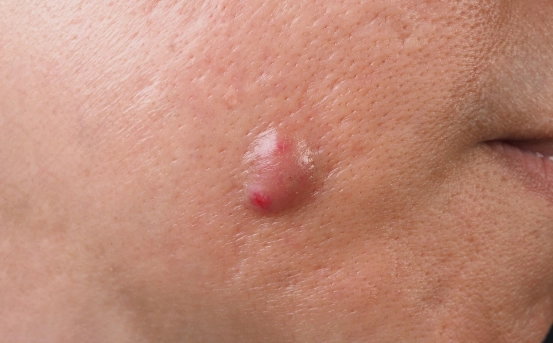
A sebaceous cyst usually appears as a smooth, round, and movable lump under the skin. You can gently press it, and it may shift slightly because it is not firmly attached to deeper tissues.
Common features include:
- A soft or firm bump under the skin
- A visible “punctum” or tiny opening in the center
- Slow, gradual growth over time
- No pain in most cases
- Skin-colored or slightly yellow appearance
Sometimes the material inside the cyst may give it a slightly yellowish tone. The cyst often stays small, but some may grow larger especially if they continue to collect sebum.
Are Sebaceous Cysts Painful?
Typically, sebaceous cysts are not painful. They remain painless unless:
- The cyst becomes infected
- The cyst ruptures
- There is pressure from tight clothing
- It is located in an area prone to friction
When infection occurs, the cyst can become swollen, red, warm, and tender. This condition is no longer a simple cyst but an inflamed, sometimes pus-filled lesion that requires medical attention.
Where Do Sebaceous Cysts Commonly Appear?
Sebaceous cysts can develop anywhere sebaceous glands exist which is almost everywhere except the palms of your hands and soles of your feet. They most commonly appear in areas with higher oil gland concentration, such as:
- Scalp
- Face
- Neck
- Chest
- Upper back
- Shoulders
- Groin area
These are locations where oil glands are active and more prone to blockage.
Who Is More Likely to Develop a Sebaceous Cyst?
Although anyone can get a sebaceous cyst, certain factors increase the chances:
- Oily skin
- Acne-prone individuals
- Previous skin injuries
- Hormonal changes
- Family history of cysts
- Conditions like steatocystoma multiplex
People who frequently experience acne or have naturally oily skin may develop sebaceous cysts more often due to higher sebum production.
Is a Sebaceous Cyst Dangerous?
A sebaceous cyst is almost always benign, meaning it is not cancerous and usually not harmful. In most cases, it stays small, painless, and stable for years.
However, a cyst can occasionally cause issues if:
- It becomes infected
- It grows large enough to cause discomfort
- It ruptures and leaks keratin
- It becomes cosmetically noticeable
While rare, any fast-growing, unusually hard, or irregular lump should always be examined by a medical professional.
Why Do Sebaceous Cysts Sometimes Smell?
The contents of a sebaceous cyst keratin can produce a strong odor when released. If a cyst ruptures or is squeezed, the thick, cheese-like material can have an unpleasant smell. This is normal but also a sign that the cyst may need medical care to prevent infection or regrowth.
Do Sebaceous Cysts Go Away on Their Own?
Most sebaceous cysts do not disappear without treatment. Since the cyst has a sac (called a cyst wall), it tends to refill with keratin. Even if the cyst drains on its own, it often returns unless the entire sac is removed. The only permanent solution is medical removal, but this blog focuses purely on what a sebaceous cyst is, not treatment methods.
Conclusion
A sebaceous cyst is a harmless, slow-growing bump beneath the skin caused by a blocked or damaged sebaceous gland. It contains keratin, appears as a smooth and movable lump, and often remains painless. Although usually not dangerous, it can sometimes become infected or bothersome. Understanding what is a sebaceous cyst is helps you identify the condition early and seek guidance if needed. With accurate awareness, you can differentiate it from other skin lumps and know when it requires attention.