Introduction
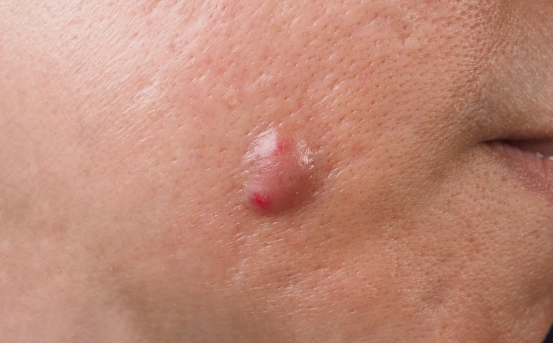
Abscesses are painful, swollen, pus-filled infections that can develop anywhere in the body skin, organs, gums, or internal tissues. While some minor abscesses can drain on their own, many require medical attention. Abscess surgery, also known as Incision and Drainage (I&D), is the most effective treatment for removing trapped pus, reducing pain, and preventing the infection from spreading.
Understanding What is Abscess Surgery ?
Abscess surgery is a minor but essential medical procedure used to drain accumulated pus caused by bacterial infections. An abscess forms when your body tries to fight off harmful bacteria by sending white blood cells to the infected area. As the cells die, they accumulate and create a thick, painful pocket of pus. When this pocket becomes trapped, surgery becomes necessary to release pressure and promote healing.
This procedure is generally quick, performed under local anesthesia, and provides immediate relief from pain, swelling, and discomfort. Larger or deeper abscesses may require general anesthesia or a more advanced surgical approach.
When Is Abscess Surgery Needed?
Not all abscesses heal with home remedies or antibiotics. Surgery is recommended in the following situations:
- The abscess is large, painful, or rapidly growing
- The infection is deep or located near sensitive organs
- Oral antibiotics are not working
- The patient has fever, chills, or signs of infection spread
- The abscess keeps returning (chronic abscess)
- It is located in areas such as the armpit, groin, breast, gums, or near the anus
Early intervention prevents complications such as bloodstream infections, tissue damage, and severe pain.
How Abscess Surgery Is Performed
Abscess surgery is typically a simple, quick, and minimally invasive procedure. Here’s how it works:
- Medical Evaluation :- The doctor examines the abscess, may perform an ultrasound, and checks for spreading infection. This helps determine the size, depth, and severity.
- Anesthesia :- Local anesthesia is injected to numb the area. For deep or large abscesses, sedation or general anesthesia may be used.
- Incision :- A small cut is made on the abscess to drain the pus. This immediately reduces pressure and pain.
- Drainage :- The doctor gently presses or uses surgical tools to flush out all the pus and debris. If the abscess is deep, a catheter or drain may be placed to allow continuous drainage.
- Cleaning and Dressing :- The cavity is cleaned with saline and covered with sterile gauze. Sometimes, the wound is left open to heal naturally to prevent reformation of pus.
Recovery After Abscess Surgery
Healing usually begins immediately after the procedure, but full recovery can take a few days to a few weeks depending on the abscess size and location.
Expected Recovery Signs
- Pain reduces significantly within 24–48 hours
- Swelling decreases gradually
- Fluid drainage may continue for a few days
- Antibiotics may be prescribed to clear infection
Home Care Tips
- Keep the surgical area clean and dry
- Change dressings as advised
- Avoid squeezing or touching the wound
- Take medications on time
- Follow up for checkups and dressing removal
Ignoring care instructions can lead to recurrence or complications.
Types of Abscesses That May Need Surgery
Different abscesses require different approaches. Common types include:
- Skin Abscess :- Found on the armpits, thighs, buttocks, or back
- Dental/Gum Abscess :- Occurs due to tooth infection
- Anal or Perianal Abscess :- Painful abscess near the rectal area
- Breast Abscess :- Often seen in breastfeeding women
- Internal Abscess :- In organs like liver, lungs, or abdomen
Early diagnosis ensures quick recovery and prevents severe health issues.
Benefits of Abscess Surgery
Abscess surgery offers multiple benefits compared to waiting for natural drainage:
- Immediate pain relief
- Faster healing
- Lower risk of infection spread
- Prevention of chronic abscess formation
- Better long-term outcomes compared to antibiotics alone
Possible Risks or Complications
While generally safe, like any medical procedure, abscess surgery carries minor risks:
- Bleeding
- Scarring
- Infection if not cared for properly
- Rare recurrence of abscess
These risks are minimal when performed by a qualified doctor and followed with proper care.
When Should You See a Doctor?
Seek urgent help if you notice:
- A red, swollen lump that is warm or painful
- Fever or chills
- Red streaks spreading from the abscess
- Difficulty sitting, walking, or moving
- Abscess near sensitive areas like the eye, groin, or anus
Early treatment reduces complications and ensures faster recovery.
Conclusion
Abscess surgery is a straightforward and highly effective procedure that removes infected pus, relieves pain, and prevents serious complications. Whether it’s a skin, dental, or deep tissue abscess, timely medical attention is crucial. With proper care, most patients recover quickly and return to normal activities.