Introduction
Atrial Septal Defect (ASD) is a congenital heart condition in which a hole exists in the wall (septum) separating the heart’s two upper chambers. While small defects may close on their own during childhood, larger or more complex defects often require medical intervention. In recent years, Advanced ASD Surgery has evolved significantly, offering safer procedures, faster recovery, and improved patient outcomes. By combining cutting-edge cardiac technologies with expert surgical techniques, advanced ASD correction has become a life-changing option for many patients who previously faced long-term heart complications.
Understanding Atrial Septal Defect (ASD)
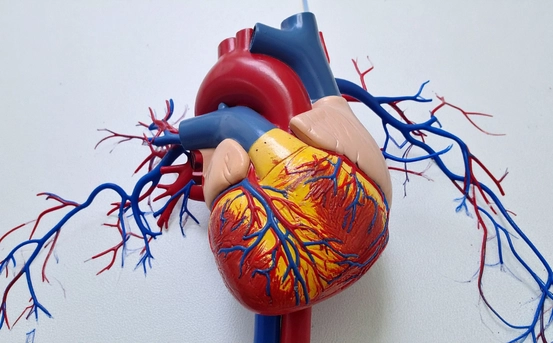
ASD occurs when there is an abnormal opening in the atrial septum, allowing oxygen-rich blood from the left atrium to mix with oxygen-poor blood in the right atrium. Over time, this increases the workload on the right side of the heart and may lead to pulmonary hypertension, arrhythmia, heart enlargement, or heart failure if left untreated.
Common symptoms include
- Shortness of breath
- Fatigue
- Swelling in legs
- Irregular heartbeat
- Frequent respiratory infections
Some individuals, especially children, may show no noticeable symptoms until adulthood making early detection and medical evaluation extremely important.
What is Advanced Atrial Septal Defect?
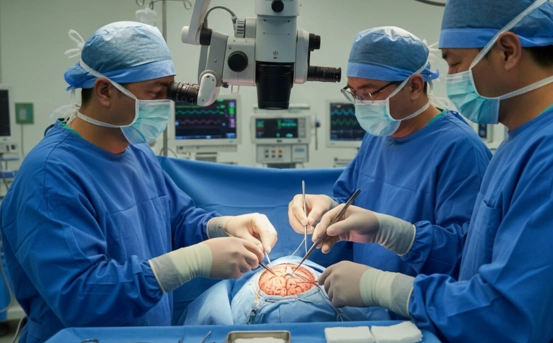
Advanced Atrial Septal Defect (ASD) Surgery refers to modern surgical or minimally invasive techniques used to close or repair the defect in the atrial septum with high precision and minimal trauma. Unlike traditional open-heart surgery alone, advanced approaches use innovative tools such as cardiac imaging, catheter-based devices, robotic assistance, and minimally invasive incisions. The primary goal of this surgery is to prevent long-term complications by restoring normal blood flow between the heart chambers.
Key Characteristics of Advanced ASD Surgery
- Minimal surgical trauma
- Shorter hospital stay
- Faster recovery
- Reduced scarring
- Lower risk of complications
- Enhanced precision through imaging and device-based closure
Advanced ASD Surgery has become the preferred choice for many cardiologists for eligible patients due to its safety and effectiveness.
Types of Advanced ASD Surgery
There are several modern approaches used depending on the size, location, and type of defect, as well as patient health and age.
- Transcatheter ASD Closure (Minimally Invasive) :- This is one of the most common and advanced techniques. A catheter is inserted through a vein in the groin and guided to the heart. A closure device is released to seal the hole permanently.
- No open-heart surgery
- Minimal pain
- Quick discharge (often 24–48 hours)
- Minimally Invasive ASD Repair :- Small keyhole incisions are made through the chest, and specialized instruments are used to repair the defect with a patch or stitches.
- Smaller scars
- Faster healing than traditional open surgery
- Robotic-Assisted ASD Surgery :- In advanced cardiac centers, robotic technology allows surgeons to operate with extreme precision using robotic arms.
- High accuracy
- Reduced bleeding
- Minimal trauma to surrounding tissues
- Traditional Open-Heart ASD Surgery :- Recommended for very large defects, multiple defects, or cases with associated complications. The surgeon uses a heart-lung bypass machine to repair the septum using a patch.
- Suitable for complex or unusual ASD types
- Long-term durability
Each method is chosen based on the patient’s diagnostic reports, age, and overall heart function.
Who Needs Advanced ASD Surgery?
Not all ASDs require surgery, but medical experts recommend intervention in the following cases
- Defect larger than 6–8 mm
- Symptoms like fatigue, breathlessness, or palpitations
- Enlargement of right heart chambers
- Pulmonary hypertension development
- Persistent arrhythmias
- Recurrent strokes or blood clots due to ASD
- Children whose ASD has not closed naturally
Patients of all age groups from infants to older adults may benefit from ASD correction, depending on the severity of the condition.
Benefits of Advanced ASD Surgery
Modern ASD surgeries offer major advantages over traditional cardiac procedures
- Improved Heart Function :- Closing the ASD helps restore normal blood flow and reduces strain on the right side of the heart.
- Reduced Risk of Complications :- Early surgical intervention helps prevent heart enlargement, arrhythmias, pulmonary hypertension, and long-term heart failure.
- Faster Recovery & Less Pain :- Minimally invasive techniques reduce pain, scarring, and hospitalization time.
- Better Quality of Life :- Patients often experience improved breathing, energy levels, and exercise tolerance after healing.
- Long-term Durability :- Most ASD closures last a lifetime when conducted with modern techniques.
Risks and Possible Complications
Though advanced ASD surgery is generally safe, there are always potential risks. These may include
- Bleeding
- Infection
- Device displacement (rare in catheter closure)
- Arrhythmias
- Reaction to anesthesia
- Residual hole (rare and often treatable)
Choosing an experienced cardiac surgeon helps minimize these risks significantly.
Recovery After Advanced ASD Surgery
Recovery time varies depending on the type of procedure
- Transcatheter Closure
- Hospital stay: 1–2 days
- Return to normal activities: 1 week
- Avoid heavy exercise: 4–6 weeks
- Minimally Invasive or Robotic Repair
- Hospital stay: 3–4 days
- Full recovery: 3–4 weeks
- Open-Heart Surgery
- Hospital stay: 5–7 days
- Full recovery: 6–8 weeks
Patients are usually advised to take medications for a short period, attend follow-up visits, and undergo periodic imaging tests like echocardiograms.
Why Early ASD Treatment Is Essential
Ignoring ASD or delaying treatment can lead to long-term cardiac damage. Early intervention can
- Prevent irreversible lung damage
- Maintain normal heart rhythm
- Avoid strokes caused by blood clots
- Reduce mortality risk in severe cases
Children treated early often lead completely normal lives, and adults experience significantly improved heart function.
Conclusion
Advanced Atrial Septal Defect (ASD) Surgery has transformed the way this congenital heart condition is treated. With the rise of minimally invasive and device-based techniques, patients now have access to safe, precise, and highly effective solutions. Understanding ASD, recognizing symptoms early, and seeking timely medical care can prevent serious complications and ensure a healthy future.