Introduction
The birth of a child is a moment of joy and hope for families around the world. However, not every newborn enters life in perfect health. Premature babies, infants with congenital conditions, or those facing complications at birth require specialized care to ensure their survival and healthy development. This is where the Advanced NICU (Neonatal Intensive Care Unit) comes into play.
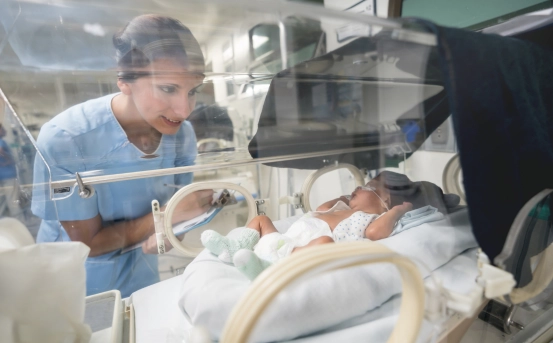
An Advanced NICU is a specialized medical unit designed to provide critical care for newborns who are ill or born prematurely. It is equipped with cutting-edge technology, highly trained medical professionals, and protocols tailored to meet the unique needs of fragile infants. Over the years, NICUs have evolved from basic incubator-based care to technologically sophisticated environments capable of supporting the tiniest and most vulnerable patients.
What is Advanced NICU
The term Advanced NICU refers to a neonatal intensive care unit that goes beyond basic life support. While standard NICUs offer essential care for newborns requiring medical attention, advanced units provide comprehensive interventions, continuous monitoring, and highly specialized treatments for a range of critical conditions.
Advanced NICUs are equipped with technologies such as ventilators, high-frequency oscillators, phototherapy units, infusion pumps, and advanced monitoring systems. These units are also staffed by neonatologists, neonatal nurses, respiratory therapists, and other specialists who work together to create individualized care plans for each infant.
In essence, an Advanced NICU combines cutting-edge medical technology with compassionate, round-the-clock care to give newborns the best chance at survival and long-term health.
Key Features of Advanced NICU
Advanced NICUs are distinguished by several core features that enhance neonatal care
- State-of-the-Art Incubators: These provide controlled temperature, humidity, and oxygen levels, ensuring that premature or critically ill infants maintain optimal body conditions.
- Advanced Respiratory Support: From CPAP machines to high-frequency ventilators, these tools help infants with underdeveloped lungs breathe effectively.
- Continuous Monitoring: Vital signs such as heart rate, oxygen levels, and blood pressure are constantly monitored to detect any early signs of complications.
- Specialized Feeding Techniques: Premature infants often require specialized nutritional support through feeding tubes, IV nutrition, or fortified milk to promote growth and development.
- Integrated Diagnostic Tools: On-site labs and imaging technologies enable prompt diagnosis and treatment of conditions such as infections, metabolic disorders, and congenital anomalies.
Who Requires Advanced NICU Care?
Not every newborn requires intensive care, but several conditions may necessitate admission to an Advanced NICU
- Premature Birth: Babies born before 37 weeks gestation often have underdeveloped organs and require respiratory support, temperature regulation, and specialized nutrition.
- Low Birth Weight: Infants weighing less than 2,500 grams may face health challenges that need constant monitoring.
- Congenital Disorders: Babies with heart defects, lung anomalies, or metabolic issues benefit from advanced diagnostic and treatment facilities.
- Respiratory Distress: Difficulty in breathing due to underdeveloped lungs or infections often requires ventilatory support.
- Infections or Sepsis: Newborns with bacterial or viral infections need intensive monitoring and immediate interventions.
- Neurological Issues: Conditions such as seizures, hypoxic-ischemic encephalopathy, or brain hemorrhage are carefully managed in advanced NICUs.
Benefits of Advanced NICU
The presence of an Advanced NICU can dramatically improve survival rates and long-term outcomes for critically ill newborns
- Enhanced Survival Rates: Advanced technology and expert care increase the likelihood of survival for preterm and critically ill infants.
- Reduced Complications: Continuous monitoring and early interventions minimize the risk of long-term health issues.
- Family-Centered Care: Many NICUs incorporate family involvement, including kangaroo care and parental support programs.
- Tailored Treatment Plans: Individualized care strategies ensure that each baby receives the most appropriate interventions.
- Early Detection of Issues: Advanced diagnostic tools allow timely identification and management of potential complications.
Technology Behind Advanced NICUs
Modern NICUs rely on several sophisticated technologies to provide high-quality care
- Mechanical Ventilators: Assist or completely take over breathing for infants with respiratory failure.
- High-Frequency Oscillators: Deliver rapid, gentle breaths to reduce lung injury in preterm babies.
- Phototherapy Units: Treat neonatal jaundice by reducing bilirubin levels safely.
- Cardiorespiratory Monitors: Track vital signs continuously to detect irregularities immediately.
- Automated Infusion Pumps: Deliver precise doses of medication and nutrition to fragile infants.
- Neuro-Monitoring Devices: Assess brain function in high-risk newborns to prevent long-term neurological damage.
These technologies, combined with skilled clinical staff, create an environment where even the most vulnerable infants can thrive.
The Role of Healthcare Professionals
An Advanced NICU is only as effective as the team operating it. This includes
- Neonatologists: Doctors specializing in the care of critically ill newborns.
- Neonatal Nurses: Provide round-the-clock care, administer medications, and monitor infant health.
- Respiratory Therapists: Manage breathing support systems and ensure lung development.
- Lactation Consultants: Assist mothers with breastfeeding and provide nutritional guidance for infants.
- Pharmacists and Lab Technicians: Support accurate medication administration and timely diagnostic testing.
The collaborative approach ensures comprehensive care, timely interventions, and emotional support for families.
Family Involvement and Support
Advanced NICUs also emphasize family-centered care. Parents are encouraged to participate in their baby’s care whenever possible. Practices like kangaroo care (skin-to-skin contact) improve bonding, regulate the infant’s temperature, and even enhance brain development. Emotional support programs, counseling services, and regular updates from medical staff help families cope with the stress of having a child in intensive care.
Challenges in Advanced NICU Care
Despite technological advancements, NICUs face several challenges
- High Costs: Advanced equipment and specialized staff make NICU care expensive.
- Emotional Stress: Families experience anxiety and stress, requiring ongoing psychological support.
- Infection Control: Premature and critically ill infants are highly susceptible to infections, demanding rigorous hygiene practices.
- Staffing Shortages: The demand for skilled neonatal professionals often exceeds supply, impacting care quality.
Addressing these challenges requires continuous investment in infrastructure, staff training, and family support programs.
Future of Advanced NICU
The future of neonatal care is promising, with ongoing innovations such as
- Artificial Womb Technology: Supports premature infants by replicating the in-utero environment.
- Telemedicine in NICU: Allows remote monitoring and specialist consultations.
- AI-Driven Predictive Analytics: Helps anticipate complications and guide treatment decisions.
- Minimally Invasive Procedures: Reduces risk and enhances recovery for critically ill infants.
These advancements will further improve survival rates and long-term outcomes, making neonatal care more effective and accessible worldwide.
Conclusion
The Advanced NICU is a lifeline for newborns facing critical health challenges. By combining state-of-the-art technology, expert medical care, and family-centered support, these units provide fragile infants with the best possible start in life. Parents and families can find reassurance knowing that advanced NICUs are equipped to handle the most complex neonatal conditions, ensuring their child receives the highest standard of care.
Investing in Advanced NICU facilities and skilled healthcare teams is essential to improving neonatal survival, reducing long-term complications, and supporting families during a critical period in their lives. For hospitals, caregivers, and policymakers, the continued development of advanced neonatal care is not just a medical imperative, it is a commitment to the future generation.