Introduction
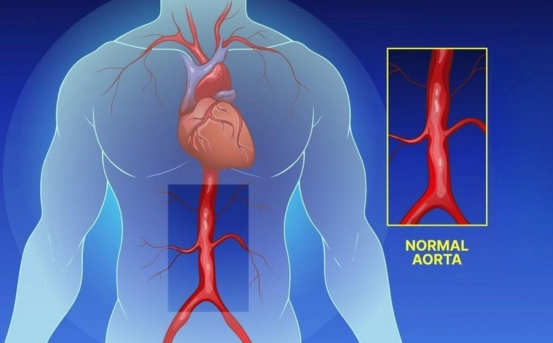
The human aorta is the largest artery in the body, carrying oxygen-rich blood from the heart to all vital organs. Like any other blood vessel, the aorta is prone to certain abnormalities, one of the most serious being an aortic aneurysm. An aortic aneurysm is a dangerous condition that occurs when a section of the aorta weakens and bulges outward, increasing the risk of life-threatening complications, including rupture. Understanding this condition, its causes, symptoms, risk factors, and available treatment options is crucial for early detection and effective management.
What is Aortic Aneurysm?
An aortic aneurysm is an abnormal dilation or ballooning of the aorta. Normally, the walls of the aorta are strong enough to withstand the constant pressure of blood flow. However, due to weakening of the arterial wall, the vessel can expand abnormally. Aneurysms can occur in any part of the aorta but are most commonly found in the abdominal aorta (abdominal aortic aneurysm or AAA) and the thoracic aorta (thoracic aortic aneurysm or TAA).
The severity of an aortic aneurysm depends on its size and location. Small aneurysms may grow slowly and remain asymptomatic for years, while larger aneurysms pose a significant risk of rupture, which can be fatal without immediate medical intervention.
Causes of Aortic Aneurysms
Several factors contribute to the development of aortic aneurysms, including:
- Atherosclerosis – The buildup of fatty deposits in the arterial walls can weaken the aorta over time.
- Genetic Disorders – Conditions such as Marfan syndrome, Ehlers-Danlos syndrome, and Loeys-Dietz syndrome can affect connective tissue, making arteries more prone to dilation.
- High Blood Pressure – Chronic hypertension increases the stress on the aortic wall, promoting aneurysm formation.
- Infections – Rarely, infections like syphilis or bacterial infections can damage the aortic wall.
- Trauma – Physical injury to the chest or abdomen can result in aneurysm formation.
- Age and Gender – Aortic aneurysms are more common in older adults, particularly men over the age of 65.
- Lifestyle Factors – Smoking and poor diet can contribute to arterial damage, accelerating aneurysm development.
Understanding the underlying causes is vital for both prevention and timely intervention.
Types of Aortic Aneurysms
Aortic aneurysms are classified based on their location:
- Abdominal Aortic Aneurysm (AAA): This type develops in the portion of the aorta passing through the abdomen. It is the most common form and often detected incidentally during imaging for other conditions.
- Thoracic Aortic Aneurysm (TAA): Found in the chest region, these aneurysms are less common but can be more dangerous due to proximity to the heart and major arteries.
- Thoracoabdominal Aneurysm: This rare form involves both the chest and abdominal portions of the aorta and typically requires complex surgical management.
Aneurysms can also be classified by shape:
- Saccular aneurysms – localized, balloon-like bulges on one side of the aorta.
- Fusiform aneurysms – symmetrical, spindle-shaped dilations affecting the entire circumference of the aorta.
Symptoms of Aortic Aneurysms
One of the reasons aortic aneurysms are so dangerous is their silent nature. Many individuals may not experience any symptoms until the aneurysm enlarges or ruptures. Possible warning signs include:
- A pulsating feeling in the abdomen, particularly with AAA.
- Persistent chest, back, or abdominal pain.
- Shortness of breath or difficulty swallowing (common in TAA).
- Sudden, severe pain if the aneurysm begins to rupture.
- Low blood pressure, dizziness, or fainting in case of rupture.
Because early-stage aneurysms are often asymptomatic, routine check-ups, especially for high-risk individuals, are critical.
Risk Factors
Several factors increase the likelihood of developing an aortic aneurysm:
- Age: People over 65 are at higher risk.
- Gender: Men are more prone to aneurysms than women.
- Smoking: Strongly associated with both aneurysm formation and growth.
- Family History: Genetics play a significant role in susceptibility.
- High Blood Pressure: Elevates stress on the aortic wall.
- Cholesterol and Heart Disease: Atherosclerosis weakens arterial walls.
- Connective Tissue Disorders: Genetic conditions affecting structural proteins increase risk.
Monitoring and managing these risk factors can significantly reduce the chance of developing aneurysms.
Diagnosis of Aortic Aneurysms
Early detection is key to preventing life-threatening complications. Doctors may recommend screening for high-risk individuals using imaging techniques such as:
- Ultrasound: Often used to detect abdominal aortic aneurysms due to its accuracy, low cost, and non-invasive nature.
- CT Scan (Computed Tomography): Provides detailed images of the aorta, helping to assess size and shape.
- MRI (Magnetic Resonance Imaging): Used for patients who require detailed visualization without radiation exposure.
- Chest X-ray: Sometimes reveals thoracic aneurysms, though it is less specific.
Routine screening is especially recommended for men over 65 with a history of smoking or family history of aneurysms.
Treatment Options
The treatment for aortic aneurysms depends on size, location, growth rate, and overall health of the patient. Common approaches include:
- Monitoring and Lifestyle Changes :- Small aneurysms (less than 5 cm in diameter) are often monitored regularly through imaging. Doctors may recommend lifestyle adjustments, including:
- Quitting smoking
- Controlling blood pressure and cholesterol
- Eating a heart-healthy diet
- Regular exercise
- Medication :- Certain medications may be prescribed to reduce blood pressure or slow aneurysm growth, including beta-blockers or angiotensin receptor blockers (ARBs).
- Surgical Intervention :- Surgery is required for large aneurysms or those showing rapid growth. Options include:
- Open Surgical Repair: Involves replacing the weakened section of the aorta with a synthetic graft.
- Endovascular Aneurysm Repair (EVAR): A minimally invasive procedure using a stent graft inserted through blood vessels to reinforce the aortic wall.
Timely surgery can prevent rupture and significantly improve survival rates.
Complications
If left untreated, aortic aneurysms can lead to severe complications:
- Rupture: Sudden tearing of the aortic wall, causing life-threatening internal bleeding.
- Blood Clots: Clots can form inside the aneurysm and travel to other parts of the body, causing blockages.
- Compression of Nearby Organs: Large aneurysms may press on surrounding structures, causing pain or organ dysfunction.
Prompt diagnosis and intervention are crucial to prevent these outcomes.
Prevention and Healthy Practices
Although not all aneurysms can be prevented, certain measures can reduce risk:
- Maintain a healthy blood pressure and cholesterol level.
- Avoid smoking or quit if already a smoker.
- Exercise regularly and maintain a healthy weight.
- Attend regular medical check-ups, especially for those with a family history.
- Follow medical advice for managing chronic conditions like hypertension and diabetes.
Conclusion
An aortic aneurysm is a serious but often silent condition that requires awareness, early detection, and timely management. Understanding the risk factors, recognizing potential symptoms, and undergoing routine screening can save lives. Advances in surgical techniques and medical management have significantly improved outcomes for individuals diagnosed with aneurysms. For anyone at risk, consultation with a cardiovascular specialist is essential to ensure personalized care and reduce the risk of life-threatening complications.