Introduction
Heart surgery is often associated with stopping the heart and using a heart lung machine to maintain blood circulation during the procedure. However, advances in cardiac care have introduced a safer and less invasive alternative known as Beating Heart Surgery. This modern surgical technique allows doctors to operate on the heart while it continues to beat naturally, reducing risks and improving recovery outcomes for many patients. Beating Heart Surgery has transformed the field of cardiac surgery and is widely used today, especially for coronary artery bypass procedures. Understanding how this surgery works, who needs it, and its benefits can help patients make informed decisions about their heart health.
Understanding What Is Beating Heart Surgery
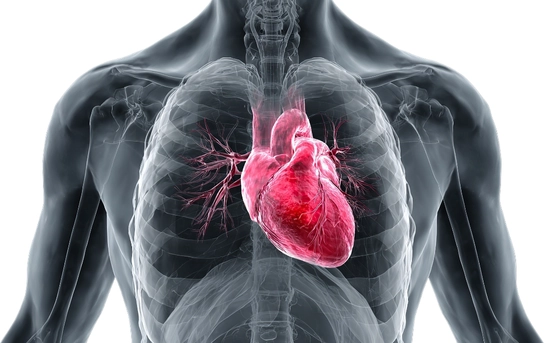
Beating Heart Surgery, also called Off-Pump Heart Surgery, is a type of cardiac surgery performed without stopping the heart or using a heart lung bypass machine. Instead, the surgeon stabilizes only the portion of the heart being operated on while the rest of the heart continues to beat normally and pump blood throughout the body.
This technique is most commonly used in coronary artery bypass grafting (CABG), where blocked or narrowed coronary arteries are bypassed using healthy blood vessels taken from other parts of the body. By avoiding the heart–lung machine, surgeons can minimize complications related to artificial circulation.
How Beating Heart Surgery Is Performed
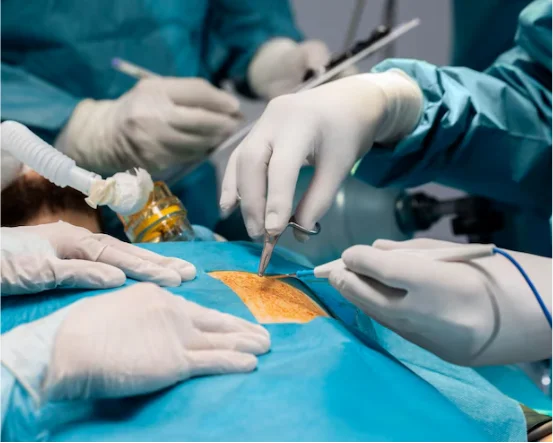
During Beating Heart Surgery, specialized equipment is used to gently stabilize the target area of the heart. This allows the surgeon to operate precisely on specific blood vessels without stopping the heart.
Key steps include
- The patient is placed under general anesthesia
- The chest is opened through a controlled surgical incision
- Mechanical stabilizers hold the targeted area of the heart steady
- Bypass grafts are attached while the heart continues to beat
- Normal blood flow is maintained throughout the procedure
Because the heart remains active, the body continues receiving oxygen-rich blood naturally, eliminating the need for external circulation support.
Why Beating Heart Surgery Is Needed
Beating Heart Surgery is primarily recommended for patients with coronary artery disease, a condition where plaque buildup narrows the arteries supplying blood to the heart. When medication or less invasive procedures like angioplasty are insufficient, surgery becomes necessary.
Doctors may recommend this approach for
- Patients with multiple blocked coronary arteries
- Elderly patients with higher surgical risk
- Individuals with kidney, lung, or neurological conditions
- Patients with diabetes or weakened immune systems
By reducing the stress on the body, this method is often safer for high-risk patients.
Advantages of Beating Heart Surgery
One of the biggest reasons for the growing popularity of Beating Heart Surgery is its wide range of benefits.
- Reduced Risk of Complications :- Since the heart lung machine is not used, patients experience fewer complications such as stroke, kidney dysfunction, or memory loss.
- Less Blood Loss :- The procedure typically involves less bleeding, reducing the need for blood transfusions during or after surgery.
- Faster Recovery :- Patients usually recover more quickly, spend less time in intensive care, and return to daily activities sooner.
- Lower Risk of Infection :- Maintaining natural blood circulation lowers the risk of post-operative infections.
- Improved Outcomes for High-Risk Patients :- Patients with pre-existing conditions often tolerate beating heart procedures better than traditional open-heart surgery.
Who Is a Good Candidate for Beating Heart Surgery?
Not every patient is suitable for Beating Heart Surgery. A thorough medical evaluation is required to determine eligibility.
Ideal candidates include
- Patients with coronary artery blockages on the front or surface of the heart
- Individuals with stable heart function
- Patients at higher risk from heart-lung machine complications
Patients with complex valve issues or deeply located arteries may require traditional surgical approaches instead.
Recovery After Beating Heart Surgery
Recovery from Beating Heart Surgery is generally smoother compared to conventional heart surgery. Most patients
- Spend less time on ventilators
- Experience less pain and discomfort
- Leave the hospital within a shorter period
- Resume normal activities faster
Doctors typically recommend cardiac rehabilitation, lifestyle changes, and regular follow-ups to ensure long-term heart health.
Risks and Limitations
Although Beating Heart Surgery offers many advantages, it is still a major surgical procedure and carries some risks, including
- Infection at the incision site
- Bleeding
- Irregular heart rhythms
- Rare need to convert to traditional surgery during the procedure
However, with experienced cardiac surgeons and modern equipment, complication rates remain low.
Technological Advances in Beating Heart Surgery
Modern advancements such as high-precision stabilizers, robotic assistance, and minimally invasive techniques have made Beating Heart Surgery safer and more effective. Many hospitals now offer minimally invasive beating heart procedures through smaller incisions, further reducing recovery time and scarring.
Conclusion
Beating Heart Surgery represents a significant advancement in cardiac care, offering a safer and less invasive alternative to traditional open-heart surgery. By allowing surgeons to operate while the heart continues to beat, this technique minimizes complications, speeds up recovery, and improves outcomes especially for high-risk patients.