Introduction
Body contouring surgery is a group of cosmetic and reconstructive procedures designed to reshape and enhance the body by removing excess fat and skin, tightening tissues, and improving overall body proportions. It is commonly chosen by individuals who have experienced significant weight loss, pregnancy-related changes, aging effects, or stubborn fat deposits that do not respond to diet and exercise. Over the years, body contouring has gained popularity due to advancements in surgical techniques and minimally invasive technologies. These procedures help patients achieve a more toned, firm, and balanced appearance while boosting confidence and quality of life.
Understanding What is Body Contouring Surgery
Body contouring surgery focuses on improving the shape and tone of the body rather than weight loss itself. While it may remove fat and skin, it is not a substitute for a healthy lifestyle or weight-loss program. Instead, it targets specific areas where fat accumulation, sagging skin, or poor contour affects appearance.
Common treatment areas include
- Abdomen
- Thighs
- Arms
- Buttocks
- Breasts
- Waist and flanks
- Chin and neck
The goal is to create smoother contours, improved symmetry, and a more youthful, proportionate look.
Who Is an Ideal Candidate for Body Contouring Surgery
Not everyone is suitable for body contouring surgery. Ideal candidates typically
- Are close to their ideal body weight
- Have stable weight for several months
- Have excess skin or stubborn fat deposits
- Are in good overall physical health
- Do not smoke or are willing to stop smoking
- Have realistic expectations about outcomes
Patients who have undergone bariatric surgery or massive weight loss often benefit the most, as they commonly experience loose, hanging skin that cannot tighten naturally.
Types of Body Contouring Surgery
Body contouring includes a wide range of procedures, each targeting different body areas. Some of the most common types are explained below.
- Liposuction :- Liposuction removes localized fat deposits from areas such as the abdomen, thighs, hips, arms, and chin. It helps sculpt the body but does not address loose skin significantly.
- Tummy Tuck (Abdominoplasty) :- A tummy tuck removes excess skin and fat from the abdomen while tightening abdominal muscles. It is popular after pregnancy or major weight loss.
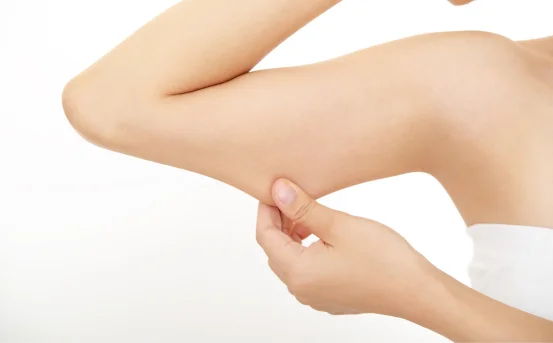
- Arm Lift (Brachioplasty) :- An arm lift removes sagging skin and fat from the upper arms, resulting in a firmer and more toned appearance.
- Thigh Lift :- A thigh lift reshapes the thighs by removing excess skin and fat, improving leg contour and comfort.
- Body Lift :- A body lift is a comprehensive procedure that addresses multiple areas such as the abdomen, buttocks, thighs, and hips, often performed after massive weight loss.
- Breast Contouring Procedures :- These include breast lift, reduction, or augmentation to improve breast shape and symmetry.
Surgical vs Non-Surgical Body Contouring
Body contouring can be surgical or non-surgical, depending on the patient’s needs and goals.
Surgical Body Contouring
- Involves incisions and anesthesia
- Provides dramatic and long-lasting results
- Ideal for excess skin and fat removal
- Requires recovery time
Non-Surgical Body Contouring
- Uses technologies like laser, ultrasound, radiofrequency, or cryolipolysis
- Minimal downtime
- Best for mild to moderate fat reduction
- Results are gradual and subtle
A qualified surgeon can recommend the most suitable option based on individual concerns.
Benefits of Body Contouring Surgery
Body contouring surgery offers both physical and emotional benefits, including
- Improved body shape and proportions
- Removal of loose, uncomfortable skin
- Enhanced self-confidence and body image
- Better clothing fit
- Improved posture and physical comfort
- Long-lasting results when combined with a healthy lifestyle
Many patients report a significant boost in self-esteem and motivation to maintain their results through fitness and nutrition.
The Body Contouring Surgery Procedure
The procedure varies depending on the type of surgery and treatment areas. Generally, it includes
- Pre-operative evaluation and planning
- Administration of anesthesia
- Removal of fat and excess skin
- Tissue tightening and contour shaping
- Suturing and dressing
Surgery duration can range from one to several hours. Some procedures may be combined for comprehensive results.
Recovery and Healing Process
Recovery time depends on the extent of the procedure. Patients may experience
- Swelling and bruising
- Temporary discomfort
- Use of compression garments
- Activity restrictions for several weeks
Most patients return to light activities within 1–2 weeks, while full recovery may take several months. Following post-operative instructions is essential for optimal healing and results.
Risks and Considerations
Like any surgical procedure, body contouring carries certain risks, including
- Infection
- Scarring
- Bleeding
- Fluid accumulation
- Uneven contours
- Anesthesia complications
Choosing an experienced and certified surgeon significantly reduces risks and improves outcomes.
Long Term Results and Maintenance
Body contouring surgery provides long-lasting results, especially when patients maintain a stable weight and healthy lifestyle. Weight fluctuations, aging, and pregnancy may affect results over time, but most patients enjoy their improved contours for many years.
Regular exercise, balanced nutrition, and follow-up visits help preserve outcomes.
Conclusion
Body contouring surgery is an effective solution for individuals seeking to reshape their body, remove excess skin, and enhance overall appearance. Whether after weight loss, pregnancy, or aging, these procedures offer transformative results that improve both physical comfort and confidence.
With proper consultation, realistic expectations, and expert surgical care, body contouring surgery can help individuals achieve a more sculpted, balanced, and satisfying body shape.