Introduction
Cancer is a condition where the body’s cells grow uncontrollably, disrupting normal tissue function. While most people are familiar with cancers like breast, lung, or colon cancer, bone and soft tissue cancers are less commonly discussed. Despite their rarity, understanding these cancers is crucial because early detection and treatment significantly improve patient outcomes. In this blog, we’ll explore what bone and soft tissue cancer is, its types, causes, symptoms, diagnosis, treatment options, and ways to improve quality of life for patients.
Understanding What is Bone and Soft Tissue Cancer
Bone and soft tissue cancers are malignant tumors that originate in the musculoskeletal system. Bone cancer begins in the bones themselves, whereas soft tissue cancer, also called soft tissue sarcoma, develops in muscles, tendons, fat, blood vessels, nerves, and connective tissues. Both forms are relatively rare compared to other cancers, but they can be aggressive and require specialized treatment.
These cancers can affect people of all ages, though certain types are more common in children and adolescents. For example, osteosarcoma and Ewing’s sarcoma are more prevalent in younger individuals, while chondrosarcoma and certain soft tissue sarcomas are more common in adults.
Types of Bone Cancer
Bone cancer can be primary or secondary
- Primary Bone Cancer :- Primary bone cancers start in the bone itself. Key types include
- Osteosarcoma: Most common in teenagers and young adults, often affecting long bones like the femur.
- Chondrosarcoma: Originates in cartilage cells, typically seen in adults over 40.
- Ewing’s Sarcoma: Affects children and adolescents, often appearing in the pelvis, femur, or chest wall.
- Secondary Bone Cancer (Metastatic Bone Cancer) :- This occurs when cancer spreads from another part of the body to the bones. Common sources include breast, lung, or prostate cancer.
Types of Soft Tissue Cancer
Soft tissue sarcomas are a diverse group of cancers that can develop almost anywhere in the body. Some common types include
- Liposarcoma: Originates in fat cells.
- Leiomyosarcoma: Develops in smooth muscles, often in the abdomen or uterus.
- Rhabdomyosarcoma: Typically seen in children, originating from skeletal muscles.
- Synovial Sarcoma: Often affects the joints of the arms and legs.
- Fibrosarcoma: Develops from fibrous connective tissue.
Soft tissue sarcomas are challenging to diagnose because they can mimic benign conditions, like cysts or lumps, in early stages.
Causes and Risk Factors
The exact cause of bone and soft tissue cancers is not always clear, but several factors may increase the risk
- Genetic Factors: Some inherited genetic syndromes, like Li-Fraumeni syndrome, may predispose individuals to sarcomas.
- Previous Radiation Therapy: Individuals who have undergone radiation therapy for another cancer may have a slightly increased risk of developing sarcomas.
- Chemical Exposure: Prolonged exposure to chemicals such as herbicides or industrial chemicals may increase risk.
- Bone Diseases: Certain bone conditions, like Paget’s disease, may slightly increase the risk of bone cancer.
It’s important to note that having these risk factors doesn’t guarantee cancer development; they simply increase susceptibility.
Symptoms to Watch For
Symptoms of bone and soft tissue cancer can be subtle at first but often worsen over time. Key signs include
Bone Cancer Symptoms
- Persistent bone pain that worsens at night
- Swelling or a noticeable lump over the bone
- Fractures without significant trauma
- Fatigue and unexplained weight loss
Soft Tissue Sarcoma Symptoms
- A painless lump or swelling that grows gradually
- Pain if the tumor presses on nerves or muscles
- Restricted movement in nearby joints
- Unexplained fatigue or weight loss
Because symptoms can resemble those of less serious conditions, it’s essential to consult a doctor if they persist. Early detection improves treatment success.
Diagnosis
Diagnosing bone and soft tissue cancers requires a combination of clinical evaluation, imaging, and laboratory tests
- Physical Examination: The doctor checks for lumps, swelling, and changes in mobility.
- Imaging Tests: X-rays, CT scans, MRI scans, and PET scans help identify the location and size of tumors.
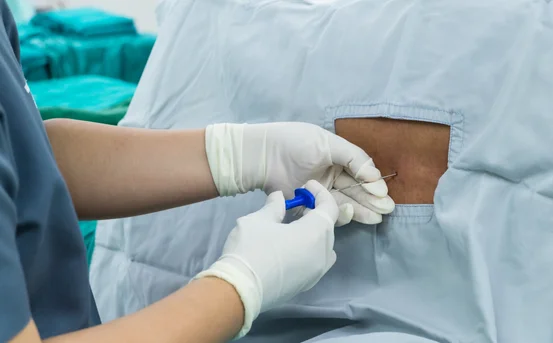
- Biopsy: A tissue sample is analyzed under a microscope to confirm whether the tumor is malignant.
- Blood Tests: While not diagnostic alone, they may indicate overall health and help monitor treatment.
Accurate diagnosis is critical because treatment strategies differ based on cancer type, stage, and location.
Treatment Options
Treatment depends on the cancer type, stage, and the patient’s overall health. Options include:
- Surgery :- Surgery is often the first-line treatment, especially for localized tumors. In bone cancer, surgeons may remove the tumor along with a portion of healthy tissue to prevent recurrence. Limb-sparing surgery has advanced, reducing the need for amputation.
- Chemotherapy :- Chemotherapy uses powerful drugs to kill cancer cells. It is commonly used for aggressive cancers like osteosarcoma and Ewing’s sarcoma, sometimes before surgery to shrink tumors.
- Radiation Therapy :- Radiation targets cancer cells with high-energy rays. It is often used for soft tissue sarcomas or when tumors cannot be entirely removed surgically.
- Targeted Therapy and Immunotherapy :- Newer treatments focus on attacking specific cancer cells or boosting the immune system to fight cancer. These options are increasingly used in advanced or recurring sarcomas.
- Rehabilitation
Post-treatment rehabilitation, including physical therapy, helps restore function, strength, and mobility, improving patients’ quality of life.
Prognosis and Survival
Prognosis depends on several factors: cancer type, stage at diagnosis, tumor location, and response to treatment. Early detection generally leads to better outcomes. Some types, like low-grade soft tissue sarcomas, have a high survival rate, whereas aggressive cancers may require long-term management.
Coping and Support
Facing bone or soft tissue cancer can be emotionally challenging. Patients and families benefit from
- Counseling or therapy to manage anxiety and depression
- Support groups for sharing experiences and tips
- Nutritional guidance to maintain strength during treatment
- Regular follow-ups and monitoring to detect recurrence early
Conclusion
Bone and soft tissue cancers, while rare, require timely attention and expert care. Understanding the symptoms, risk factors, and treatment options empowers patients and families to take proactive steps. Advances in surgery, chemotherapy, radiation, and targeted therapies have significantly improved outcomes. Early detection, coupled with specialized treatment and emotional support, can dramatically enhance quality of life and survival for those affected by these cancers.s