Introduction
Brain and spinal cord cancers are serious medical conditions that affect the central nervous system (CNS). The CNS consists of the brain and spinal cord, which are responsible for controlling most bodily functions, including movement, sensation, memory, and thought processes. Cancer in these areas can significantly impact a person’s life, making early detection and proper treatment crucial.
What is Brain and Spinal Cord Cancer
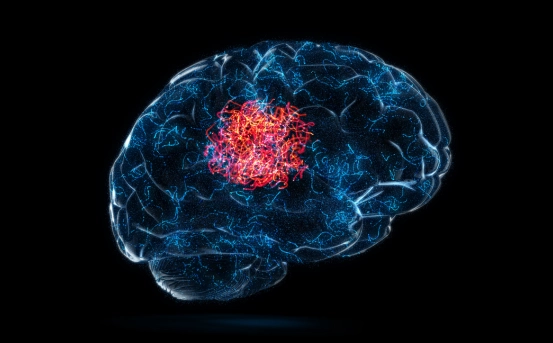
Brain cancer occurs when abnormal cells grow uncontrollably in the brain. These tumors can be primary, originating in the brain itself, or secondary (metastatic), spreading from other parts of the body. Brain tumors vary in severity and can be benign (non-cancerous) or malignant (cancerous). Malignant tumors are aggressive and can invade surrounding brain tissue, making treatment more challenging.
Symptoms of Brain Cancer
The symptoms of brain cancer depend on the tumor’s location, size, and rate of growth. Common signs include
- Persistent headaches that worsen over time
- Seizures or convulsions
- Vision problems such as blurred or double vision
- Memory loss or cognitive changes
- Difficulty with balance or coordination
- Personality or behavioral changes
These symptoms may be subtle initially, which is why regular medical checkups are important, especially for individuals with risk factors.
Causes and Risk Factors
The exact cause of brain cancer is often unknown, but several factors may increase risk
- Genetic mutations affecting cell growth
- Family history of brain tumors
- Exposure to radiation
- Immune system deficiencies
- Certain environmental factors, such as chemical exposure
Understanding these risk factors can help in early detection and prevention strategies.
Understanding Spinal Cord Cancer
Spinal cord cancer involves the growth of abnormal cells within or surrounding the spinal cord. Like brain tumors, these can be primary or secondary. Spinal tumors may grow inside the spinal cord (intramedullary), within the membranes covering the spinal cord (extramedullary), or in the vertebrae (osseous tumors).
Symptoms of Spinal Cord Cancer
Spinal tumors can interfere with nerve signals, causing
- Back pain that may radiate to the limbs
- Numbness or tingling in arms or legs
- Weakness in limbs, affecting walking or balance
- Loss of bladder or bowel control
- Paralysis in severe cases
Early recognition of these symptoms can prevent permanent nerve damage and improve outcomes.
Causes and Risk Factors
Spinal cord cancers are rare, and their causes are not fully understood. Risk factors include
- Genetic predisposition
- History of cancer in other parts of the body
- Exposure to certain chemicals or radiation
- Age: Some spinal tumors are more common in children, while others affect adults
Diagnosis of Brain and Spinal Cord Cancer
Diagnosing CNS cancers involves a combination of clinical evaluation and advanced imaging. Some common diagnostic tools include
- Magnetic Resonance Imaging (MRI): Provides detailed images of the brain and spinal cord.
- Computed Tomography (CT) Scan: Helps detect tumor size and location.
- Biopsy: Involves taking a tissue sample to confirm malignancy.
- Neurological Examination: Assesses reflexes, coordination, and sensory function.
Timely diagnosis is critical, as early-stage tumors are often easier to treat and manage.
Treatment Options
Treatment for brain and spinal cord cancers depends on tumor type, size, location, and the patient’s overall health. Common treatment approaches include
- Surgery :- Surgery is often the first line of treatment to remove as much of the tumor as possible. However, due to the sensitivity of CNS tissues, complete removal may not always be feasible.
- Radiation Therapy :- Radiation uses high-energy rays to destroy cancer cells and shrink tumors. It may be used after surgery or as the primary treatment if surgery isn’t an option.
- Chemotherapy :- Chemotherapy involves using drugs to kill cancer cells or stop their growth. It can be administered orally or intravenously and is often combined with other treatments.
- Targeted Therapy :- Targeted therapy focuses on specific genetic mutations in cancer cells, minimizing damage to healthy tissues. This approach is advancing rapidly in brain and spinal cord cancers.
- Supportive Care :- Supportive care addresses symptoms such as pain, seizures, and neurological deficits. Physical therapy, occupational therapy, and counseling are often essential components.
Prognosis
The prognosis of brain and spinal cord cancers varies widely. Factors affecting outcomes include tumor type, location, size, patient age, and overall health. Early detection significantly improves survival rates and quality of life. Some tumors respond well to treatment, while others may recur despite aggressive therapy.
Preventive Measures
Although brain and spinal cord cancers cannot always be prevented, certain measures may reduce risk
- Avoid unnecessary exposure to radiation
- Maintain a healthy lifestyle with a balanced diet and regular exercise
- Protect against harmful chemicals and carcinogens
- Regular health checkups, especially if there is a family history of CNS cancers
Living with Brain and Spinal Cord Cancer
A cancer diagnosis can be overwhelming, but support from healthcare providers, family, and support groups can make a difference. Managing symptoms, adhering to treatment plans, and maintaining mental health are crucial for patients’ well-being. Rehabilitation programs can help improve mobility, speech, and cognitive function after treatment.
Conclusion
Brain and spinal cord cancers are complex conditions that affect millions of people worldwide. Early recognition of symptoms, timely diagnosis, and a multidisciplinary treatment approach are essential for improving outcomes. Advances in medical technology, surgical techniques, and targeted therapies are providing hope for patients, offering improved survival rates and quality of life.