Introduction
Chronic Kidney Disease (CKD) continues to affect millions of people around the world, making dialysis one of the most essential life-supporting treatments for patients with end-stage renal failure. Among the different types of dialysis, Peritoneal Dialysis (PD) has become a highly preferred option because it allows patients to manage their treatment at home with more flexibility and comfort. One of the most common forms of PD is Continuous Ambulatory Peritoneal Dialysis (CAPD), and the core element that makes this possible is the CAPD catheter. To understand how CAPD works and why the catheter insertion procedure is important, this blog explains everything from what the catheter is, how it is placed, benefits, risks, recovery, and patient care.
Understanding CAPD: A Quick Overview
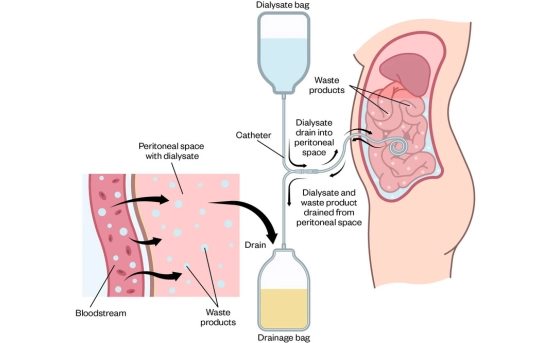
Continuous Ambulatory Peritoneal Dialysis (CAPD) is a type of dialysis that uses the peritoneum, the natural lining of the abdomen, as a filter to remove waste products and excess fluid from the blood. Unlike hemodialysis, which requires a machine and hospital visits, CAPD allows patients to perform dialysis manually throughout the day.
For CAPD to work, a soft silicone tube called a CAPD catheter must be placed inside the abdomen. This tube enables the dialysis fluid to enter and leave the abdominal cavity safely.
What Is a CAPD Catheter?
A CAPD catheter is a flexible medical-grade tube designed to access the peritoneal cavity. It usually has:
- A long, soft silicone body
- Cuffs to prevent infection and stabilize the tube
- An outer portion that stays outside the body for connecting dialysis fluid bags
This catheter becomes a permanent access point so the patient can perform dialysis multiple times a day without repeated needle pricks or hospital interventions.
What Is CAPD Catheter Insertion?
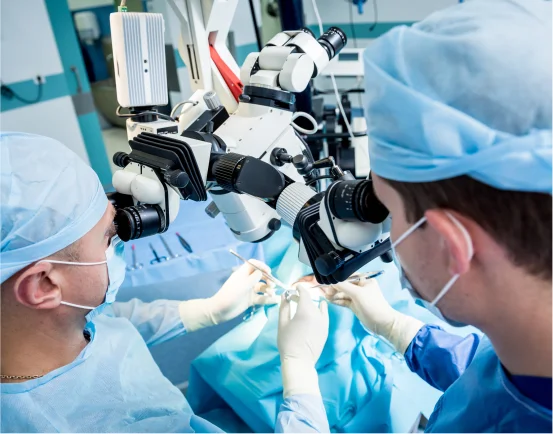
CAPD catheter insertion is a minor surgical procedure that places the catheter into the peritoneal cavity so the patient can start CAPD treatment. The surgeon inserts the catheter through the abdominal wall using either:
- Open surgery
- Laparoscopic technique (minimally invasive)
- Peritoneoscopic method
Once placed, the catheter allows dialysis fluid to flow into the abdomen, absorb waste through the peritoneum, and then drain out completing a dialysis cycle. This procedure is usually done under local anesthesia with sedation or general anesthesia, depending on patient health and medical preference.
Why Is CAPD Catheter Insertion Done?
The primary reason for CAPD catheter insertion is to create a permanent, safe, and reliable access point for performing peritoneal dialysis at home. Doctors recommend it for patients who:
- Have chronic kidney failure requiring long-term dialysis
- Prefer a home-based dialysis method
- Want greater flexibility in their daily routine
- Cannot undergo hemodialysis due to vascular issues
- Wish to avoid frequent hospital visits
CAPD offers more independence and is often considered a gentler form of dialysis, especially for children, elderly patients, and individuals with active lifestyles.
How Is the CAPD Catheter Insertion Procedure Performed?
Though the exact method varies slightly, the general steps include:
- 1. Preoperative Preparation
- Medical evaluation, blood tests, and imaging
- Cleaning of the abdominal area
- Stopping certain medications, if required
- Fasting for a few hours before the procedure
- The Procedure
- The abdomen is cleaned and sterilized
- A small incision is made on the lower abdomen
- The catheter is gently guided into the peritoneal cavity
- The cuffs are placed within tissue layers to reduce infection
- The external portion is secured outside the abdomen
The entire procedure usually lasts 30–45 minutes.
- Postoperative Care
- Patients are monitored for a few hours
- Pain medications may be given
- The catheter site is dressed
- Training on catheter care and dialysis begins within days
Most people can go home the same day or the next morning.
Benefits of CAPD Catheter Insertion
- Allows home-based dialysis :- Patients gain independence and can continue work, travel, and participate in daily activities.
- Gentler on the body :- CAPD works continuously, avoiding the sudden fluid shifts common with hemodialysis.
- Fewer dietary restrictions :- Compared to hemodialysis, CAPD patients enjoy more flexibility in food and fluid intake.
- No needles required :- The catheter provides painless dialysis access.
- Better quality of life :- CAPD supports a more natural lifestyle, especially suitable for children and elderly patients.
Risks and Complications
While CAPD catheter insertion is generally safe, some potential risks include:
- Infection (peritonitis or exit-site infection)
- Catheter blockage or displacement
- Bleeding
- Hernia formation
- Leakage of dialysis fluid
These complications can usually be managed with timely medical care and proper hygiene techniques.
Recovery After CAPD Catheter Insertion
Recovery usually takes 1–2 weeks, during which patients must:
- Keep the catheter site clean and dry
- Avoid strenuous activity or heavy lifting
- Report any pain, fever, or abnormal discharge
- Attend all follow-up visits
Training begins after healing. Patients learn:
- How to connect and disconnect dialysis bags
- Hygiene practices
- How to monitor fluid balance
- Troubleshooting issues with flow or drainage
With proper training, most patients confidently perform CAPD independently at home.
Who Is a Good Candidate for CAPD?
Doctors may recommend CAPD for:
- Patients with late-stage CKD
- Those living far from dialysis centers
- Patients with severe vascular access issues
- Children and elderly patients
- Individuals who prefer home-based treatment
- People who want flexibility in travel and work
However, CAPD may not be ideal for patients with severe abdominal conditions, multiple surgeries, or certain hernias.
Tips for Maintaining a Healthy CAPD Catheter
- Always wash hands thoroughly before handling the catheter
- Keep the exit site clean, dry, and covered
- Watch for redness, swelling, or pain around the site
- Avoid pulling or bending the catheter
- Follow all training given by your dialysis nurse
- Store dialysis supplies in a clean environment
Consistent care reduces the risk of infection and ensures long-term catheter function.
Conclusion
CAPD catheter insertion is a vital step for patients choosing Continuous Ambulatory Peritoneal Dialysis offering a safe, flexible, and effective way to manage kidney failure at home. With proper catheter placement and correct training, patients can enjoy greater independence and maintain their routine while receiving life-saving treatment.