Introduction
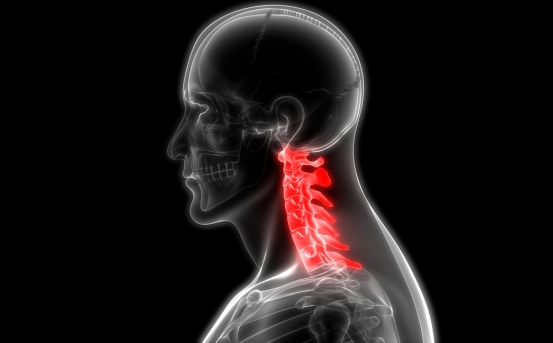
Cervical fusion is a spine surgery performed to stabilize the neck (cervical spine) by permanently joining two or more vertebrae. The cervical spine consists of seven vertebrae located in the neck region, which support the head and protect the spinal cord. When these vertebrae become unstable or damaged due to injury, degeneration, or disease, they can cause neck pain, nerve compression, and restricted movement.
Cervical fusion surgery is recommended when non-surgical treatments such as medications, physiotherapy, or injections fail to relieve symptoms. The main purpose of this procedure is to reduce pain, improve stability, and protect the spinal cord and nerves.
Understanding the Cervical Spine
The cervical spine is made up of C1 to C7 vertebrae, along with intervertebral discs that act as shock absorbers and allow smooth movement. Nerves branching from the spinal cord pass through these vertebrae and supply the shoulders, arms, and hands.
Damage to the cervical spine whether from disc herniation, arthritis, fractures, or instability can compress these nerves or the spinal cord, leading to pain, numbness, weakness, or tingling in the arms and hands.
What Is Cervical Fusion Surgery?
Cervical fusion is a surgical procedure in which two or more vertebrae in the neck are fused together into one solid bone. During the surgery, the damaged disc or bone is removed, and a bone graft or implant is placed between the vertebrae. Metal plates, screws, or rods may be used to hold the spine in proper alignment while the bones heal and fuse.
Over time, the vertebrae grow together, forming a stable segment that no longer moves independently. This stability helps relieve pain caused by abnormal movement or nerve compression.
Why Is Cervical Fusion Needed?
Cervical fusion is performed to treat various neck and spine conditions, including:
- Degenerative Disc Disease: Age-related wear and tear of spinal discs
- Herniated Cervical Disc: Disc material pressing on spinal nerves
- Cervical Spondylosis: Arthritis of the neck causing stiffness and pain
- Spinal Instability: Abnormal movement between vertebrae
- Cervical Spine Fractures: Injuries from accidents or trauma
- Spinal Cord Compression (Myelopathy): Pressure on the spinal cord
- Tumors or Infections: Affecting the cervical vertebrae
The procedure is often recommended when symptoms interfere with daily activities or when neurological deficits worsen.
Types of Cervical Fusion
Cervical fusion can be performed using different surgical approaches:
- Anterior Cervical Discectomy and Fusion (ACDF) :- The surgeon approaches the spine from the front of the neck. The damaged disc is removed, and fusion is performed. This is the most common cervical fusion technique.
- Posterior Cervical Fusion :- The spine is accessed from the back of the neck. This approach is used in cases of severe instability or multiple-level disease.
- Combined Anterior and Posterior Fusion :- In complex cases, both approaches may be used to achieve optimal stability.
The Surgical Procedure Overview
Cervical fusion surgery is usually performed under general anesthesia. The surgeon carefully removes the damaged disc or bone, decompresses the nerves or spinal cord, and inserts a bone graft or cage between the vertebrae. Metal implants are placed to stabilize the spine during healing.
The procedure typically takes 1 to 3 hours, depending on the number of vertebrae involved.
Recovery After Cervical Fusion
Recovery varies depending on the patient’s health and the extent of surgery:
- Hospital Stay: 1 to 3 days
- Neck Brace: May be worn to support healing
- Pain Management: Medications help control discomfort
- Physiotherapy: Improves strength and flexibility
Bone fusion may take several months to complete, but most patients notice symptom improvement within weeks.
Benefits of Cervical Fusion
- Reduced neck and arm pain
- Improved spinal stability
- Protection of spinal cord and nerves
- Improved daily function and mobility
Conclusion
Cervical fusion is a proven and effective surgical procedure for treating serious neck and spinal conditions that cause pain, instability, or nerve compression. By permanently stabilizing the affected vertebrae, the surgery helps relieve symptoms and prevent further spinal damage. With proper surgical planning, post-operative care, and rehabilitation, many patients experience long-term pain relief and improved quality of life.
If persistent neck pain or neurological symptoms are affecting daily activities, consulting a spine specialist can help determine whether cervical fusion is the right treatment option.