Introduction
Choledochojejunostomy is a specialized surgical procedure performed to restore normal bile flow when the common bile duct (CBD) becomes blocked, damaged, or obstructed due to disease. This surgery plays a critical role in managing complex hepatobiliary conditions, ensuring that bile produced by the liver and stored in the gallbladder can reach the intestines for digestion. Without this essential flow, patients can experience severe symptoms like jaundice, infections, pain, and nutritional issues. Because of its importance and complexity, choledochojejunostomy is available only at advanced surgical centers under experienced hepatobiliary or gastrointestinal surgeons.
Understanding What is Choledochojejunostomy Surgery
Choledochojejunostomy is a type of biliary bypass surgery. In simpler terms, it creates a direct connection between the common bile duct and the jejunum (a part of the small intestine). This surgical connection ensures that bile can drain freely into the intestine, bypassing any diseased or blocked areas in the bile ducts.
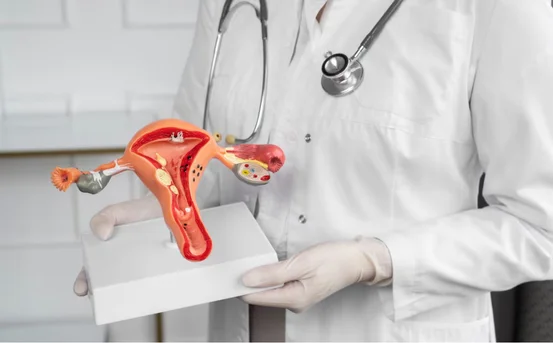
Under normal conditions, bile travels from the liver through the hepatic ducts, enters the common bile duct, and finally drains into the duodenum to aid digestion. When a blockage occurs due to stones, strictures, inflammation, tumors, or postoperative complications, bile cannot pass smoothly. A build-up of bile can lead to jaundice, infection (cholangitis), and severe complications. A choledochojejunostomy resolves this by rerouting the bile drainage pathway.
Why is Choledochojejunostomy Performed?
This surgery is recommended when other less invasive treatments like ERCP (Endoscopic Retrograde Cholangiopancreatography), stenting, or stone removal are not possible, have failed, or are not appropriate for the patient.
Common Reasons for the Procedure
- Bile duct strictures – Narrowing of the duct due to injury, surgery, chronic inflammation, or congenital issues.
- Tumors of the bile duct, pancreas, or liver – When malignancy obstructs the normal bile pathway.
- Chronic pancreatitis – Long-term inflammation of the pancreas often causes duct obstruction.
- Bile duct injuries after gallbladder surgery – One of the most common reasons for surgical reconstruction.
- Choledocholithiasis (bile duct stones) – When stones cannot be removed endoscopically or keep recurring.
- Congenital abnormalities – Such as choledochal cysts requiring surgical removal and reconstruction.
In most cases, the decision to perform choledochojejunostomy is taken after thorough imaging such as MRCP, CT scans, and blood tests to confirm obstruction and evaluate liver health.
How the Procedure is Performed
Choledochojejunostomy may be performed using
- Open surgery
- Laparoscopic (minimally invasive) surgery
- Robotic-assisted surgery (in advanced centers)
The choice depends on the patient’s condition, surgeon’s expertise, and complexity of the obstruction.
Step-by-Step Overview
- Administration of anesthesia – The patient is given general anesthesia.
- Accessing the bile duct – The surgeon gains access through an incision or laparoscopic ports.
- Identifying the obstruction – The affected section of the bile duct is located.
- Preparing the jejunum – A loop of the small intestine (jejunum) is brought near the common bile duct.
- Creating the connection – The surgeon makes an opening in both the duct and jejunum and stitches them together to form a secure, leak-proof passage.
- Checking bile flow – The anastomosis (connection) is tested for proper drainage.
- Closure – The surgical site is closed with sutures.
The procedure generally lasts 2–4 hours, depending on complexity.
Benefits of Choledochojejunostomy
This surgery provides long-term relief from bile duct obstruction and prevents serious complications.
Major Benefits Include
- Restored bile flow, preventing jaundice and improving digestion.
- Reduction of infection risk, especially recurrent cholangitis.
- Improved quality of life, as chronic pain and digestive discomfort reduce substantially.
- Long-term solution, compared to stenting which may require frequent replacement.
- Essential for cancer patients, as it alleviates obstruction-related symptoms.
In many cases, choledochojejunostomy is considered the most durable and effective surgical solution for complex biliary issues.
Risks and Complications
As with any major surgery, it carries some potential risks. However, experienced hepatobiliary surgeons ensure these are minimized.
Possible complications include
- Infection
- Bile leakage
- Bleeding
- Anastomotic stricture (rare)
- Delayed gastric emptying
- Pancreatic issues in some cases
Most risks are manageable with timely follow-up and modern surgical techniques.
Pre-Surgery Preparation
Patients usually undergo a detailed evaluation before the procedure
- Blood tests (liver function, bilirubin levels)
- Ultrasound or MRCP
- CT scan
- Physical examination
- Medical history review
Patients may be advised to
- Stop certain medications
- Maintain fasting before surgery
- Undergo nutritional assessment
- Treat infections if present
A clear plan is discussed with the patient regarding anesthesia, hospital stay, and recovery.
Post-Surgery Recovery and Care
Recovery from choledochojejunostomy varies depending on the patient’s health and surgical method used.
- Immediately After Surgery
- Patients may spend 1–2 days in the ICU for monitoring.
- Pain control measures are provided.
- Drains may be placed temporarily to check bile leakage.
- During Hospital Stay (5–10 days)
- Gradual shift from liquids to soft diet.
- Walking is encouraged to prevent clots.
- Regular monitoring of bile flow and liver function.
- At Home (Next 4–6 weeks)
- Avoid lifting heavy weights.
- Eat small, low-fat meals to ease digestion.
- Attend follow-up appointments to monitor recovery.
Most patients return to routine activities within 6–8 weeks.
Long-Term Outlook
Choledochojejunostomy has a high success rate when performed by skilled hepatobiliary surgeons. Many patients experience complete relief from symptoms and significant improvement in liver function. In cases involving malignancy, the surgery enhances quality of life by reducing jaundice and improving digestion.
Regular follow-ups and healthy dietary habits play an important role in ensuring lasting results.
Conclusion
Choledochojejunostomy surgery is a highly effective and reliable procedure for managing complex bile duct obstructions. Whether caused by strictures, tumors, stones, or injuries, this surgery helps restore the essential flow of bile, prevents serious complications, and significantly improves the patient’s overall well-being. With advancements in surgical technology and expertise, recovery is safer and outcomes are more successful than ever before.