Introduction
Colorectal cancer is one of the most commonly diagnosed cancers worldwide, yet it remains widely misunderstood. Early detection can make a life-saving difference, but to recognize the signs, we must first understand what is colorectal cancer, how it develops, and what treatment options are available.
What is Colorectal Cancer?
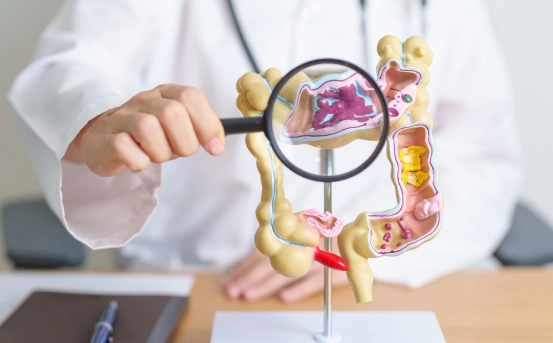
Colorectal cancer refers to cancer that begins in the colon (large intestine) or rectum, the final parts of the digestive system. Most colorectal cancers start as small, noncancerous growths called polyps. Over time, some polyps can turn into cancer if they are not detected and removed early. Because it usually develops slowly, colorectal cancer is one of the most preventable and treatable cancers when caught in its early stages.
The colon’s main role is to absorb fluids and process waste, while the rectum stores this waste before elimination. Cancer can develop in either of these regions, and depending on where the tumor originates, it may be referred to as colon cancer or rectal cancer. Combined, they are known as colorectal cancer.
How Does Colorectal Cancer Develop?
Colorectal cancer typically develops due to uncontrolled cell growth in the lining of the colon or rectum. This growth often begins with polyps small clumps of cells that may be flat or raised. While many polyps remain harmless, certain types, such as adenomatous polyps, have a higher risk of becoming cancerous. The transformation from a benign polyp to cancer can take several years, which is why regular screening tests like colonoscopy are highly effective. Detecting and removing polyps early significantly lowers the risk of developing colorectal cancer. Genetic mutations, inflammation, environmental factors, and lifestyle choices all influence the development of this cancer.
Common Symptoms of Colorectal Cancer
In the early stages, colorectal cancer often presents no symptoms, which makes screenings essential. However, as the disease progresses, signs may include:
- Persistent changes in bowel habits such as diarrhea, constipation, or narrowing of stools
- Blood in the stools or rectal bleeding
- Unexplained weight loss
- Fatigue or weakness
- Abdominal cramps, bloating, or discomfort
- A feeling that the bowel does not empty completely
These symptoms don’t always mean cancer, but they should never be ignored. Timely medical evaluation helps ensure early detection and better outcomes.
Major Causes and Risk Factors
Although the exact cause of colorectal cancer is not always clear, several factors increase the risk:
- Age :- Most cases occur in people aged 50 and above, though it is increasingly being diagnosed in younger adults.
- Family History & Genetics :- A family history of colorectal cancer or inherited conditions like Lynch syndrome and FAP (Familial Adenomatous Polyposis) can significantly raise risk.
- Lifestyle Choices :- Unhealthy habits such as low-fiber diets, high consumption of processed or red meat, sedentary behavior, smoking, and heavy alcohol use can contribute to cancer formation.
- Medical Conditions :- People with inflammatory bowel diseases, including Crohn’s disease and ulcerative colitis, have a higher risk.
- Obesity :- Being overweight is associated with an elevated risk of colorectal cancer and poorer outcomes after diagnosis.
How Is Colorectal Cancer Diagnosed?
Early detection is key, and several diagnostic tools are used:
- Colonoscopy :- The gold standard test, which allows doctors to view the colon and rectum, detect polyps, and remove them immediately.
- Stool Tests :- These check for blood or abnormal DNA in stool samples, which may indicate cancer or polyps.
- CT Colonography :- A specialized CT scan that produces virtual images of the colon.
- Biopsy :- If suspicious tissue is found, a biopsy is taken to confirm whether it is cancerous.
Regular screening is recommended for adults starting at age 45 or earlier for those with a family history or other risk factors.
Stages of Colorectal Cancer
Doctors classify colorectal cancer into stages to determine the extent of its spread:
- Stage 0: Abnormal cells limited to the inner lining
- Stage 1: Cancer grows into deeper layers but hasn’t spread
- Stage 2: Tumor has grown through the colon wall
- Stage 3: Cancer spreads to nearby lymph nodes
- Stage 4: Cancer spreads to distant organs like the liver or lungs
Early stages have the highest cure rates, highlighting the value of timely screening.
Treatment Options for Colorectal Cancer
Treatment depends on the cancer’s stage, location, and overall health of the patient. Common treatments include:
- Surgery :– The primary treatment, especially in early stages, involves removing cancerous tissue or polyps.
- Chemotherapy :- Uses drugs to kill cancer cells and is often recommended after surgery or for advanced cases.
- Radiation Therapy :- Often used for rectal cancer to shrink tumors before surgery or destroy remaining cancer cells afterward.
- Targeted Therapy :- Advanced treatments that attack specific cancer cell mechanisms.
- Immunotherapy :- Helps the immune system recognize and destroy cancer cells.
A combination of treatments may be suggested for better effectiveness.
Can Colorectal Cancer Be Prevented?
While not all cases can be prevented, the risk can be reduced by:
- Eating a fiber-rich diet
- Maintaining a healthy weight
- Exercising regularly
- Limiting red and processed meat
- Avoiding smoking and alcohol
- Getting routine screenings
Awareness and proactive health choices are the strongest defense.
Conclusion
Colorectal cancer is a serious yet highly preventable disease. Understanding its symptoms, causes, and treatment options empowers individuals to make informed healthcare decisions. Regular screenings, healthy lifestyle choices, and early intervention significantly improve survival rates. If you experience any warning signs or fall into a high-risk group, don’t delay seeking medical advice. Protecting your colon health today can safeguard your overall well-being for years to come.