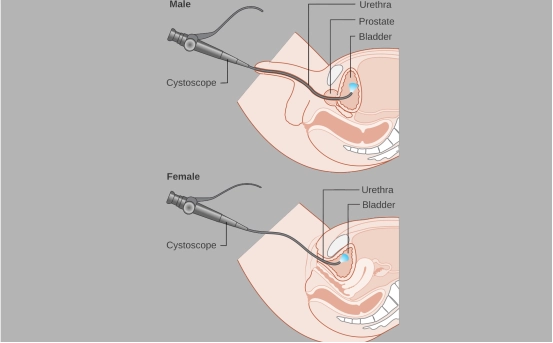
Cystoscopy is a common urological procedure that helps doctors view the inside of the bladder and urethra. It plays a vital role in diagnosing and monitoring conditions that affect the urinary tract. If you’ve been advised to undergo a cystoscopy, it’s natural to feel a little anxious. However, understanding what the procedure involves, why it’s done, and what to expect can help ease your concerns.
Although the idea of inserting a camera into the urinary tract might sound uncomfortable, cystoscopy is usually a quick procedure, often performed under local or mild sedation. Understanding what cystoscopy involves, how to prepare for it, and what to expect during and after the procedure can help you feel more at ease and empowered to take control of your urinary health.
What is Cystoscopy?
Cystoscopy is a medical procedure that allows doctors, particularly urologists, to examine the inner lining of the bladder and the urethra using a device called a cystoscope. A cystoscope is a thin, flexible or rigid tube with a camera and light at its tip. The doctor gently inserts this device through the urethra and into the bladder, enabling real-time video visualization of the urinary tract.
The procedure is usually done in a hospital, clinic, or urology center and may be performed under local, regional, or general anesthesia depending on the complexity and purpose of the examination.
Why is Cystoscopy Done?
Cystoscopy is performed for a variety of diagnostic and therapeutic reasons. One of the most common reasons is to investigate the cause of urinary symptoms such as frequent urination, painful urination, blood in the urine (hematuria), or unexplained urinary tract infections.
It is also used to diagnose conditions such as bladder stones, bladder tumors, interstitial cystitis (painful bladder syndrome), urethral stricture, or an enlarged prostate. In some cases, cystoscopy can be used to collect tissue samples (biopsies), remove tumors, or insert medical devices like stents or catheters.
Additionally, it is often used as a follow-up test for individuals with a history of bladder cancer to monitor recurrence and ensure there is no progression of disease.
Types of Cystoscopy
There are two main types of cystoscopy flexible and rigid and the choice depends on the purpose of the procedure.
-
Flexible Cystoscopy :- This is usually performed under local anesthesia and is commonly used for diagnostic purposes. The flexible cystoscope bends easily and is more comfortable, making it ideal for outpatient procedures.
-
Rigid Cystoscopy :- This is a less flexible, straight instrument and may be preferred when a biopsy or minor surgical procedure is needed. It often requires regional or general anesthesia to minimize discomfort.
How to Prepare for a Cystoscopy?
Preparation for cystoscopy is relatively simple and typically includes a few basic steps. You may be asked to give a urine sample before the procedure to rule out infections. If an infection is present, your doctor might postpone the procedure and prescribe antibiotics.
In cases where sedation or anesthesia is involved, you may be instructed to avoid eating or drinking for several hours beforehand. Inform your doctor about any medications you are taking, especially blood thinners, and follow their guidance regarding whether to continue or pause them before the procedure.
Most people can drive themselves home after a flexible cystoscopy, but if sedation or general anesthesia is used, you’ll need someone to accompany you.
What Happens During the Procedure?
During the cystoscopy, you will be asked to lie on your back with your knees bent and apart. The area around your urethra will be cleaned, and a local anesthetic gel may be applied to numb the urethra.
The doctor will then gently insert the cystoscope into your urethra and slowly guide it into the bladder. Sterile water or saline may be used to fill the bladder slightly, allowing better visualization of the bladder walls. As the bladder fills, you might feel the urge to urinate, which is completely normal.
The entire procedure usually takes 5 to 20 minutes. If biopsies or treatments are needed, it may take slightly longer.
What to Expect After Cystoscopy?
After the procedure, you may experience mild discomfort, a burning sensation during urination, or notice blood in your urine. These symptoms are typically temporary and should resolve within a day or two.
Drinking plenty of water after the procedure helps flush out the bladder and reduce irritation. If antibiotics are prescribed, be sure to complete the full course to prevent infection.
In rare cases, complications like urinary tract infections, bladder perforation, or prolonged bleeding can occur. Seek medical attention if you develop a fever, experience severe pain, or notice large clots in your urine.
Recovery and Aftercare
Recovery from cystoscopy depends on whether the procedure was diagnostic or therapeutic. For a simple diagnostic cystoscopy using a flexible scope, you can usually resume normal activities the same day.
If the cystoscopy involved surgery or biopsies using a rigid scope, your doctor may recommend a brief rest period and some time off from work or strenuous activities. Pain relievers or urinary alkalinizers may be given to reduce discomfort during recovery.
Follow all post procedure instructions carefully, including any dietary or activity restrictions. If you have concerns or symptoms that persist, contact your healthcare provider promptly.
Is Cystoscopy Painful?
Many patients are concerned about whether cystoscopy is painful. With modern equipment and anesthetic gels, most people report only mild discomfort or a strange sensation during the procedure. Flexible cystoscopy is generally well tolerated and causes less discomfort than rigid cystoscopy.
If you are anxious or sensitive to pain, let your doctor know beforehand. In some cases, light sedation or pain medication can be administered to help you relax.
Benefits and Risks of Cystoscopy
Cystoscopy is a valuable diagnostic tool that allows doctors to identify problems inside the bladder and urethra that might not show up on imaging tests like ultrasound or CT scans. It provides direct visualization and can be essential in detecting early signs of bladder cancer or chronic infections.
Like all medical procedures, cystoscopy has risks, although they are rare. These may include urinary tract infections, bleeding, and, in very rare cases, damage to the bladder or urethra. However, when performed by an experienced urologist, the risks are minimal, and the benefits usually far outweigh the potential complications.
Conclusion
Cystoscopy is a safe and effective procedure used to diagnose, monitor, and sometimes treat conditions affecting the urinary tract. While the idea of inserting a scope into the urethra may seem intimidating, it is generally well tolerated and offers valuable insights that other tests cannot provide.