Introduction
Hepatobiliary surgery is a highly specialized surgical field focused on diagnosing and treating diseases of the liver, gallbladder, bile ducts, and pancreas. These organs play essential roles in digestion, metabolism, detoxification, and overall health. When conditions affecting these organs progress or become complicated, specialized surgical intervention is often required. Hepatobiliary surgery blends advanced surgical techniques, precision imaging, and multidisciplinary care to ensure optimal outcomes for patients dealing with complex abdominal diseases.
This branch of surgery has evolved dramatically over the years. With advancements in minimally invasive surgery, robotic systems, enhanced recovery protocols, and improved diagnostic tools, hepatobiliary procedures are now safer, more accurate, and associated with faster recovery times. Patients today benefit from early diagnosis, improved survival rates, and more efficient treatment plans tailored to their unique medical conditions.
Why the Hepatobiliary System Is Important
The hepatobiliary system includes the liver, gallbladder, and bile ducts, each playing a critical role
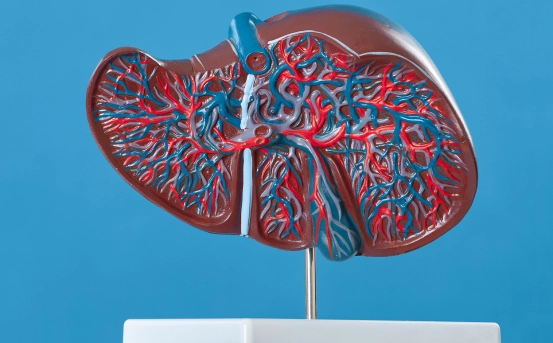
- The liver is the body’s largest internal organ responsible for detoxification, metabolism, nutrient storage, blood clotting, and producing bile.
- The gallbladder stores bile, which helps digest fats.
- The bile ducts transport bile from the liver to the gallbladder and into the small intestine.
A disease in any of these organs can disrupt digestion, metabolism, and overall health. Many hepatobiliary conditions present subtle symptoms in early stages, making timely evaluation and expert care essential.
What Is Hepatobiliary Surgery?
Hepatobiliary surgery is a subspecialty of general surgery that focuses on treating disorders involving the liver, gallbladder, bile ducts, and pancreas. Surgeons who specialize in this field are trained to manage both benign and malignant conditions using open, laparoscopic, or robotic techniques. Hepatobiliary surgeons commonly treat conditions such as liver tumors, gallstones, bile duct blockages, pancreatic diseases, cysts, congenital abnormalities, and trauma affecting the liver or biliary system. These surgeries may range from minimally invasive procedures like laparoscopic cholecystectomy to complex operations such as liver resections or bile duct reconstructions. The primary goals of hepatobiliary surgery include removing diseased tissues, restoring bile flow, treating cancers, relieving symptoms, and improving overall liver-biliary function.
Common Conditions That Require Hepatobiliary Surgery
- Liver Diseases :- The liver can develop various conditions that require surgical intervention, including
- Liver cancer (hepatocellular carcinoma)
- Metastatic liver tumors (cancers that spread to the liver from other organs)
- Liver cysts or abscesses
- Benign liver tumors like hemangiomas or adenomas
- Cirrhosis-related complications
Surgery may involve removing part of the liver (hepatectomy) or performing minimally invasive procedures to control bleeding, remove tumors, or drain infected areas.
- Gallbladder Problems :- Gallbladder diseases are among the most common reasons for hepatobiliary surgery. These may include
- Gallstones causing pain or infection
- Acute or chronic cholecystitis
- Gallbladder polyps
- Gallbladder cancer
A laparoscopic cholecystectomy (gallbladder removal) is the standard and widely performed procedure worldwide.
- Bile Duct Disorders :- Disorders of the bile duct can cause severe complications if left untreated
- Bile duct stones
- Bile leaks or strictures
- Cholangiocarcinoma (bile duct cancer)
- Injuries caused during previous surgeries
- Congenital bile duct abnormalities
Treatment may involve bile duct repair, stent placement, or cancer removal.
- Pancreatic Diseases :- Although primarily part of the digestive system, the pancreas works closely with the liver and bile ducts. Hepatobiliary surgeons manage conditions such as
- Pancreatic cancer
- Pancreatitis-related complications
- Pancreatic cysts or tumors
- Blockages caused by gallstones
Types of Hepatobiliary Surgeries
- Liver Resection (Hepatectomy) :- Removal of a portion of the liver to treat tumors, cysts, or damaged areas. The liver’s ability to regenerate makes this procedure effective and safe when performed by experts.
- Laparoscopic or Open Cholecystectomy :- Gallbladder removal is most commonly done using minimally invasive techniques, resulting in faster recovery and less pain.
- Bile Duct Reconstruction :- Used for injuries, strictures, or blockages. Surgeons may reconstruct ducts to restore bile flow or connect the ducts directly to the intestine.
- Whipple Procedure (Pancreaticoduodenectomy) :- A complex surgery performed for pancreatic or bile duct cancers that involves removing part of the pancreas, bile duct, and small intestine.
- Tumor Ablation Procedures :- Techniques such as radiofrequency ablation (RFA) or microwave ablation destroy tumors without removing them.
- Liver Transplantation :- In severe liver diseases, complete replacement of the diseased liver with a healthy donor liver may be required.
Symptoms That May Indicate the Need for Hepatobiliary Evaluation
Patients may experience symptoms that suggest a hepatobiliary disorder, such as
- Jaundice (yellowing of eyes and skin)
- Severe abdominal pain
- Unexplained weight loss
- Persistent nausea or vomiting
- Dark urine or pale stools
- Itching
- Fever associated with abdominal discomfort
- Persistent bloating
- Loss of appetite
- Fatigue or weakness
These symptoms should never be ignored and require timely medical attention.
How Diagnosis Is Done
A hepatobiliary specialist uses advanced diagnostic tools to detect the exact cause
- Ultrasound
- CT scan
- MRI or MRCP
- Liver function tests
- Endoscopic procedures (ERCP, EUS)
- Biopsy
- Blood tests for liver inflammation or tumor markers
A detailed evaluation helps the surgeon determine the best treatment approach.
Benefits of Hepatobiliary Surgery
- Removes diseased tissues and prevents complications
- Offers effective cancer treatment options
- Restores proper bile flow and digestive function
- Reduces pain, infections, and long-term damage
- Improves life expectancy in many conditions
- Often performed using minimally invasive methods
- Faster recovery, smaller scars, and reduced hospital stay
Recovery After Hepatobiliary Surgery
Recovery depends on the type of procedure, patient health, and complexity of the disease. Most minimally invasive surgeries allow patients to return to routine activities within 1–2 weeks. Major surgeries like liver resection or Whipple procedures may require longer recovery periods.
Patients are advised to follow
- A balanced diet with proper hydration
- Medication as prescribed
- Limited physical activity initially
- Follow-up checkups
- Avoidance of alcohol and smoking
- Maintaining healthy body weight
Conclusion
Hepatobiliary surgery is a crucial medical specialty that addresses complex diseases of the liver, gallbladder, bile ducts, and pancreas. Whether it involves managing gallstones, removing tumors, repairing ducts, or treating cancer, hepatobiliary surgeons use advanced techniques to provide precise and effective treatment. Early diagnosis and timely surgical intervention can significantly improve outcomes and quality of life. If you or someone you know is experiencing symptoms related to liver or biliary disorders, consulting a hepatobiliary specialist can be the first step toward better health.