Introduction
When chronic ear infections or complications like cholesteatoma start damaging the delicate structures of the ear, doctors often recommend mastoidectomy surgery. This procedure, though not widely known to many people, plays a crucial role in protecting hearing, preventing infections, and improving overall ear health. If you or a loved one has been advised to undergo a mastoidectomy, this comprehensive guide will help you understand what is mastoidectomy surgery, why it’s needed, how it’s performed, and what to expect during recovery.
Understanding What is Mastoidectomy Surgery ?
A mastoidectomy is a surgical procedure performed to remove infected air cells within the mastoid bone, which is the bony area located behind the ear. These air cells can become infected due to chronic otitis media (middle ear infections) or because of a cholesteatoma, an abnormal skin growth that spreads inside the ear.
The primary goal of mastoidectomy is to eliminate infection, prevent complications, and restore a healthier ear environment. The mastoid bone connects closely with the ear’s hearing and balance structures, so timely treatment becomes essential to stop the spread of disease.
Why Mastoidectomy Surgery Is Needed
Doctors may recommend mastoidectomy surgery for several reasons. Some of the most common include:
- Chronic Ear Infections :- Persistent infections that do not respond to medicines, ear drops, or minor procedures may require surgical cleaning of the mastoid bone.
- Cholesteatoma :- This is one of the primary reasons for mastoidectomy. Cholesteatoma is a dangerous growth of skin cells behind the eardrum that can damage bones, hearing nerves, and nearby structures.
- Preventing Further Complications :- Untreated infection can spread to the inner ear, facial nerve, or even the brain. Mastoidectomy reduces the risk of such serious complications.
- Drainage Issues :- If the ear is constantly discharging pus or fluid despite treatment, mastoidectomy helps remove the diseased tissue and improves drainage.
- Improving Hearing Health :- In some cases, addressing the infection and repairing middle ear structures helps preserve or improve hearing.
Types of Mastoidectomy Surgery
Different types of mastoidectomy are recommended based on the extent of infection or disease. The main types include:
- Simple (Conservative) Mastoidectomy :- The surgeon removes only the diseased mastoid air cells while preserving the middle ear structure. This is done for moderate infections.
- Radical Mastoidectomy :- A more extensive surgery where the surgeon removes the mastoid air cells, parts of the middle ear, and sometimes the eardrum. This is recommended when infection is severe and widespread.
- Modified Radical Mastoidectomy :- A balanced approach where infected areas are cleared but important structures for hearing are preserved. It is commonly performed for cholesteatoma.
- Canal Wall Up Mastoidectomy (CWU) :- In this type, the ear canal wall is preserved. It helps maintain normal ear anatomy and often provides better hearing outcomes.
- Canal Wall Down Mastoidectomy (CWD) :- Here, the canal wall is removed to ensure complete cleaning of the infected area. This helps prevent recurrence but requires regular follow-up cleanings.
Each type is chosen based on the patient’s condition, age, extent of infection, and long-term hearing goals.
How Mastoidectomy Surgery Is Performed
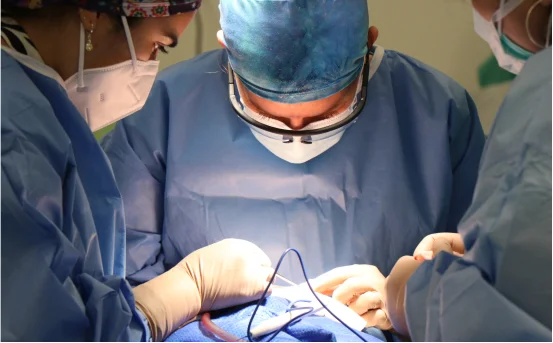
Mastoidectomy is done under general anesthesia and usually takes 1.5 to 3 hours, depending on complexity.
Step-by-Step Overview
- Incision Behind the Ear :- A small cut is made behind the ear to access the mastoid bone.
- Removal of Infected Air Cells :- Surgeons use a high-speed drill to carefully remove infected bone and tissues.
- Cleaning of Middle Ear (if needed) :- If there is cholesteatoma or fluid buildup, the surgeon clears the area.
- Reconstruction of Ear Structures :- In some cases, surgeons repair the eardrum or small hearing bones (ossicles).
- Closing the Incision :- The incision is stitched, and a dressing or ear packing is placed to support healing.
Most patients go home the same day or the next day after surgery.
Recovery After Mastoidectomy Surgery
Recovery is usually smooth when proper care is taken. Here’s what to expect:
- Hospital Stay and Pain Management :- Patients may experience mild discomfort or pressure around the ear, which is managed with prescribed pain medication.
- Ear Packing and Dressings :- A dressing behind the ear and packing inside the ear canal help protect the surgical site. These are usually removed within a week.
- Follow-Up Visits :- Regular follow-ups are essential to ensure the ear is healing properly and free from infection.
- Hearing Changes :- Temporary hearing loss is common due to packing or swelling. Hearing usually improves once healing is complete.
- Activity Restrictions :- Patients should avoid heavy lifting, nose blowing, or getting water in the ear for a few weeks.
- Complete Healing :– Most people recover fully within 4 to 6 weeks, though complete internal healing may take a few months.
Risks and Complications of Mastoidectomy
Like any surgery, mastoidectomy has potential risks, though they are rare. These include:
- Hearing loss
- Dizziness or balance issues
- Facial nerve injury (rare)
- Persistent ear discharge
- Tinnitus (ringing in the ear)
- Recurrence of infection or cholesteatoma
Choosing an experienced ENT surgeon significantly reduces these risks.
Conclusion
Mastoidectomy surgery is a safe, effective, and essential procedure for treating severe ear infections and cholesteatoma. With timely intervention and proper post-operative care, patients can prevent complications, preserve hearing, and enjoy long-term ear health. If you have been advised to undergo mastoidectomy, discussing all your concerns with your ENT specialist can help you make a confident, informed decision.