Introduction
Musculoskeletal injuries are a common health issue that can affect anyone, from athletes to office workers. Understanding what musculoskeletal injuries are, their causes, symptoms, and treatment options is crucial for maintaining overall health and preventing long-term complications. We’ll explore everything you need to know about musculoskeletal injuries and how to manage them effectively.
What is Musculoskeletal Injury
Musculoskeletal injuries refer to damage or trauma to the body’s muscles, bones, ligaments, tendons, and other connective tissues. These injuries can occur due to sudden accidents, repetitive strain, poor posture, or underlying medical conditions. The musculoskeletal system supports movement, stability, and daily functionality, which makes injuries in this area potentially debilitating if not addressed promptly.
Types of Musculoskeletal Injuries
Musculoskeletal injuries can be classified into several types, depending on the affected area and the severity of the damage
- Sprains: These involve overstretching or tearing of ligaments, which connect bones to other bones. Sprains often occur in the wrists, ankles, or knees.
- Strains: Strains affect muscles or tendons and occur due to overstretching or excessive contraction. Back and hamstring muscles are commonly affected.
- Fractures: Fractures are breaks in bones caused by trauma, falls, or direct impact. They range from hairline fractures to complete breaks.
- Dislocations: This occurs when a bone is forced out of its normal position at a joint, often causing pain and immobility.
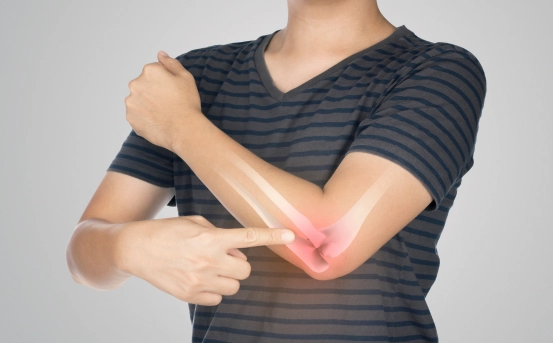
- Tendonitis: Tendonitis is the inflammation of tendons, usually due to repetitive motion or overuse, often seen in the shoulders, elbows, and wrists.
- Bursitis: Bursitis refers to inflammation of the small fluid-filled sacs (bursae) that cushion joints, commonly affecting the shoulders, elbows, and hips.
Understanding the type of injury is essential for effective treatment and recovery.
Common Causes of Musculoskeletal Injuries
Musculoskeletal injuries can result from a variety of factors, ranging from accidents to lifestyle habits. Some of the most common causes include
- Sports Injuries: High-impact sports or improper techniques can lead to sprains, strains, and fractures.
- Falls and Accidents: Slips, trips, and falls are a frequent cause, especially among older adults.
- Repetitive Stress: Repeated motions at work or during exercise can strain muscles and tendons, leading to overuse injuries.
- Poor Posture: Prolonged sitting or standing in incorrect positions can strain muscles and joints, causing chronic pain.
- Age-Related Degeneration: Conditions like osteoarthritis weaken bones and joints, making them more susceptible to injury.
- Medical Conditions: Osteoporosis, obesity, and inflammatory conditions can increase the risk of musculoskeletal injuries.
Recognizing these risk factors can help in prevention and early intervention.
Signs and Symptoms of Musculoskeletal Injuries
Musculoskeletal injuries can present with a wide range of symptoms depending on the affected area and severity. Common signs include
- Pain and tenderness in muscles or joints
- Swelling and inflammation
- Bruising or discoloration of the skin
- Limited range of motion or stiffness
- Weakness in the affected area
- A popping or snapping sound during the injury
Prompt attention to these symptoms is important to prevent further damage and ensure proper healing.
Diagnosing Musculoskeletal Injuries
Proper diagnosis is crucial for effective treatment. Healthcare professionals may use the following methods to diagnose musculoskeletal injuries
- Physical Examination: A thorough assessment of the affected area, including range of motion and strength testing.
- Imaging Tests: X-rays, MRI, CT scans, or ultrasound can help detect fractures, dislocations, or soft tissue injuries.
- Laboratory Tests: Blood tests may be conducted in cases of suspected infection or inflammatory conditions.
Early diagnosis ensures timely treatment and reduces the risk of long-term complications.
Treatment Options for Musculoskeletal Injuries
Treatment for musculoskeletal injuries depends on the type, severity, and location of the injury. Common approaches include
- Rest and Immobilization :- Resting the affected area and using splints, braces, or casts can prevent further damage and promote healing.
- Physical Therapy :- Physical therapy involves guided exercises to restore strength, flexibility, and range of motion. Techniques like stretching, strengthening, and hydrotherapy can be beneficial.
- Medications :- Pain relievers, anti-inflammatory drugs, or muscle relaxants may be prescribed to reduce discomfort and swelling.
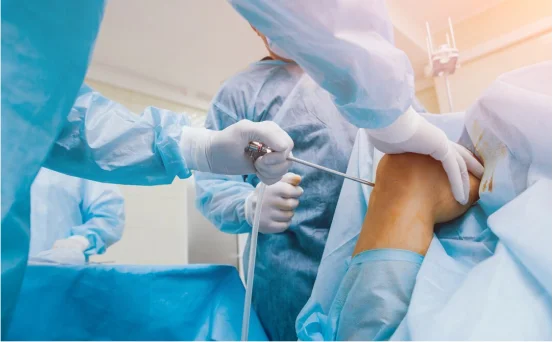
- Surgical Interventions :- Severe injuries like complex fractures, torn ligaments, or dislocations may require surgery to repair the damage.
- Alternative Therapies :- Acupuncture, massage therapy, and chiropractic care can help relieve pain and improve mobility in some cases.
Prevention of Musculoskeletal Injuries
Preventing musculoskeletal injuries is always better than treatment. Here are some effective preventive measures
- Maintain Proper Posture: Whether sitting, standing, or lifting, maintaining correct posture reduces stress on muscles and joints.
- Exercise Regularly: Strengthening muscles and improving flexibility reduces the risk of injury.
- Use Protective Gear: Helmets, braces, and supportive footwear can prevent injuries during sports or physical activities.
- Ergonomic Adjustments: Workplace ergonomics, such as adjustable chairs and proper workstation setup, help prevent repetitive strain injuries.
- Healthy Lifestyle: Maintaining a healthy weight and balanced diet supports bone and muscle health.
When to Seek Medical Attention
Immediate medical attention is necessary if you experience
- Severe or worsening pain
- Significant swelling or bruising
- Numbness or tingling
- Inability to move the affected area
- Signs of infection like redness, warmth, or fever
Timely intervention can prevent long-term disability and speed up recovery.
Conclusion
Musculoskeletal injuries can affect anyone, impacting daily life and physical activity. Understanding their types, causes, symptoms, and treatment options is essential for prevention and effective management. Whether it’s a minor strain or a serious fracture, early diagnosis and appropriate care can significantly improve outcomes. Adopting a healthy lifestyle, proper exercise, and safe practices can help minimize the risk of these injuries, ensuring a more active and pain-free life.