Introduction
Pregnancy is a beautiful journey, but the process of childbirth often raises questions for expectant mothers. One of the most common queries is about the different modes of delivery: natural vaginal delivery and C-section delivery. Understanding these options can help mothers make informed decisions, reduce anxiety, and prepare for a safer birth experience. In this blog, we will explore what each type of delivery involves, their benefits, risks, and factors influencing the choice.
Understanding What is Natural or C-Section Delivery
Natural delivery, also known as vaginal birth, is the process where a baby is delivered through the birth canal without surgical intervention. It is the most common and traditional method of childbirth worldwide.
- How Natural Delivery Works :- During natural delivery, labor begins with regular uterine contractions that gradually dilate the cervix. The mother experiences three stages of labor
- Early and active labor: The cervix dilates to 10 cm, and contractions become more frequent and intense.
- Delivery of the baby: The mother pushes during contractions to help the baby move through the birth canal.
- Delivery of the placenta: After the baby is born, the placenta is expelled naturally.
- Benefits of Natural Delivery
- Shorter recovery time: Mothers often recover faster and can resume daily activities sooner.
- Lower risk of surgical complications: Avoiding surgery reduces risks such as infections and excessive bleeding.
- Immediate bonding and breastfeeding: Babies born vaginally usually experience quicker initiation of breastfeeding.
- Beneficial for the baby: Natural delivery helps in the expulsion of fluids from the baby’s lungs, reducing respiratory issues.
- Risks of Natural Delivery :- Although natural delivery is generally safe, it carries some risks
- Prolonged labor or difficulty pushing
- Tearing or episiotomy
- Risk of infection or bleeding in rare cases
C-Section Delivery: Surgical Intervention for Childbirth
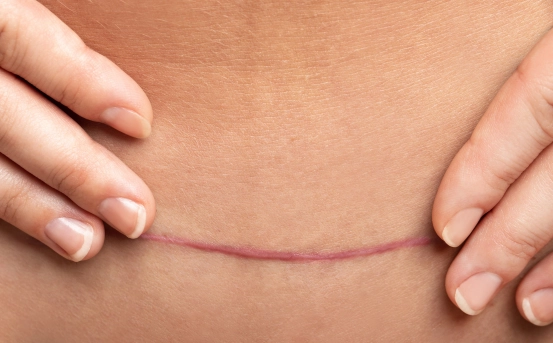
Cesarean section (C-section) is a surgical procedure where the baby is delivered through an incision in the mother’s abdomen and uterus. C-section deliveries can be planned (elective) or emergency, depending on the mother’s or baby’s health condition.
When is a C-Section Necessary?
Doctors may recommend a C-section for several reasons
- Baby is in a breech or transverse position
- Labor is not progressing naturally
- Multiple pregnancies (twins or more)
- Health issues in the mother, such as high blood pressure or infections
- Previous C-section deliveries
Benefits of C-Section Delivery
- Controlled environment: Surgery allows doctors to plan and monitor every step.
- Reduced labor stress: C-section avoids prolonged labor and associated exhaustion.
- Safety in complicated pregnancies: Critical for high-risk pregnancies to ensure mother and baby’s safety.
- Immediate medical attention for newborn: Babies in distress can be delivered quickly and safely.
Risks of C-Section Delivery
Despite being a common procedure, C-sections carry surgical risks
- Longer recovery period
- Higher risk of infection and blood loss
- Increased chances of complications in future pregnancies
- Potential breathing issues in newborns
Natural Delivery vs C-Section: Key Differences Factors Influencisng the Choice
Several factors determine whether a mother will have a natural or C-section delivery
- Medical history :- Previous surgeries, chronic illnesses, or complications.
- Baby’s position and size :- Breech, large babies, or multiples may require C-section.
- Mother’s preference and comfort :- Some mothers may opt for C-section to avoid labor pain or based on previous experiences.
- Doctor’s advice :- Medical professionals assess risks and suggest the safest method for both mother and baby.
Preparing for a Safe Delivery
Regardless of the chosen method, preparation is key
- Regular prenatal checkups :- Monitor the health of mother and baby.
- Birth plan :- Discuss preferences and possible scenarios with the healthcare provider.
- Nutrition and exercise :- Maintain a balanced diet and moderate exercise for strength.
- Mental preparation :- Practice relaxation techniques to reduce anxiety and pain during labor.
Conclusion
Both natural and C-section deliveries have their unique benefits and risks. While natural birth promotes faster recovery and better bonding, C-section offers safety in complicated pregnancies. The choice depends on medical advice, the health of the mother and baby, and personal preference. Consulting with your obstetrician and being informed can ensure a safe, positive childbirth experience.