Introduction
Shoulder replacement, also known as shoulder arthroplasty, is a surgical procedure performed to relieve severe shoulder pain and restore movement when the shoulder joint is badly damaged. The shoulder is one of the most flexible joints in the human body, allowing a wide range of motion. However, this flexibility also makes it vulnerable to wear, injury, and degeneration over time. Conditions such as arthritis, fractures, and rotator cuff damage can significantly affect shoulder function and quality of life.
When non-surgical treatments like medications, physiotherapy, and injections fail to provide relief, shoulder replacement surgery may be recommended. This procedure involves replacing damaged parts of the shoulder joint with artificial components to reduce pain and improve mobility.
Understanding the Shoulder Joint
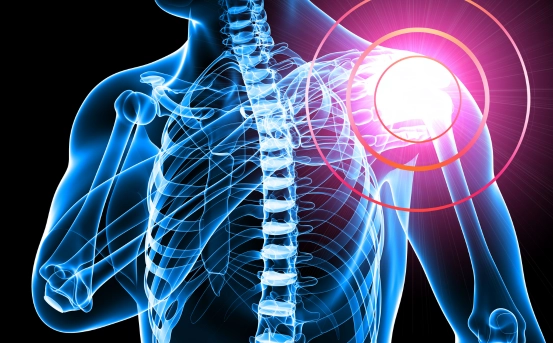
The shoulder joint is a ball-and-socket joint formed by the upper arm bone (humerus) and the shoulder blade (scapula). The rounded head of the humerus fits into a shallow socket in the scapula called the glenoid. Surrounding muscles, tendons, and ligaments especially the rotator cuff help stabilize the joint and allow smooth movement.
Damage to any part of this complex structure can lead to pain, stiffness, and reduced movement. Over time, joint surfaces may wear out or become deformed, making everyday activities like lifting objects, dressing, or even sleeping painful.
What Is Shoulder Replacement Surgery?
Shoulder replacement surgery is a medical procedure in which the damaged or worn-out parts of the shoulder joint are removed and replaced with artificial implants. These implants are usually made of metal and medical-grade plastic and are designed to replicate the natural movement of the shoulder.
The primary goals of shoulder replacement are to:
- Relieve chronic shoulder pain
- Restore joint function and range of motion
- Improve strength and stability
- Enhance overall quality of life
The surgery is commonly performed by an orthopedic surgeon and may be done under general anesthesia.
Who Needs Shoulder Replacement?
Shoulder replacement is usually recommended for patients with severe shoulder joint damage that does not improve with conservative treatment. Common conditions that may require this surgery include:
- Osteoarthritis: Degeneration of cartilage causing bone-on-bone friction
- Rheumatoid Arthritis: An autoimmune condition that damages joint lining
- Post-Traumatic Arthritis: Arthritis developing after a shoulder injury or fracture
- Severe Shoulder Fractures: Especially in older adults where bone healing is poor
- Rotator Cuff Tear Arthropathy: A combination of arthritis and severe rotator cuff damage
- Avascular Necrosis: Loss of blood supply to the shoulder bone leading to bone death
Patients typically experience persistent pain, stiffness, weakness, and limited movement before surgery is advised.
Types of Shoulder Replacement
There are different types of shoulder replacement procedures, chosen based on the condition of the joint and surrounding muscles:
- Total Shoulder Replacement :- Both the ball (humeral head) and socket (glenoid) are replaced with artificial components. This is commonly done for arthritis with an intact rotator cuff.
- Partial Shoulder Replacement (Hemiarthroplasty) :– Only the damaged head of the humerus is replaced. This is often used in certain fractures or early joint damage.
- Reverse Shoulder Replacement :- The positions of the ball and socket are reversed. This type is ideal for patients with severe rotator cuff damage, as it relies on different muscles to move the arm.
The Procedure Overview
During shoulder replacement surgery, the surgeon makes an incision over the shoulder and carefully removes damaged bone and cartilage. The artificial joint components are then implanted and secured in place. The procedure usually takes 1.5 to 2.5 hours, depending on complexity.
After surgery, the arm is placed in a sling to support healing. Pain management and infection prevention are carefully monitored in the hospital.
Recovery and Rehabilitation
Recovery after shoulder replacement is a gradual process and plays a crucial role in the success of the surgery.
- Hospital Stay: Usually 2–3 days
- Pain Management: Medications and cold therapy are used initially
- Physiotherapy: Begins soon after surgery to restore movement and strength
- Sling Use: Worn for several weeks to protect the joint
Most patients can resume daily activities within a few weeks, but full recovery may take 3 to 6 months. Consistent physiotherapy is essential for optimal results.
Benefits of Shoulder Replacement
Shoulder replacement surgery offers several long-term benefits, including:
- Significant pain relief
- Improved range of motion
- Better strength and shoulder stability
- Enhanced ability to perform daily activities
- Improved sleep and overall comfort
Many patients report a dramatic improvement in their quality of life after recovery.
Risks and Considerations
Like any surgery, shoulder replacement carries some risks, such as infection, blood clots, nerve injury, or implant loosening over time. However, with modern surgical techniques and experienced surgeons, complications are relatively rare.
Following post-operative instructions and attending follow-up appointments helps minimize risks and ensures long-term success.
Conclusion
Shoulder replacement is a highly effective surgical option for individuals suffering from severe shoulder pain and limited movement due to joint damage. By replacing the damaged joint with artificial components, the surgery helps restore function, reduce pain, and improve overall quality of life. While recovery requires time and commitment to rehabilitation, most patients achieve excellent long-term outcomes.