Introduction
Sphincteroplasty is a highly specialized surgical procedure designed to repair or reconstruct a damaged anal sphincter the circular muscle responsible for controlling bowel movements. When this muscle becomes weak or injured, patients may experience fecal incontinence, uncontrolled leakage, or difficulty maintaining normal bowel function. Sphincteroplasty aims to restore strength, improve continence, and help patients regain confidence in daily life.
This surgery has become an important option for people especially women after childbirth injuries who experience decreased sphincter control. As awareness grows, understanding what sphincteroplasty is, how it works, who needs it, and what recovery looks like becomes essential for making informed health decisions.
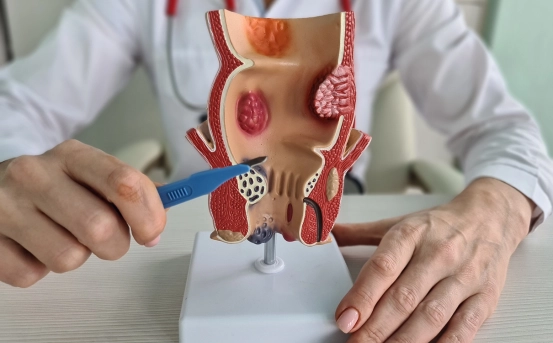
Understanding the Anal Sphincter
The anal sphincter is made up of two key muscles:
- Internal Anal Sphincter :- A smooth, involuntary muscle that maintains basic continence without conscious effort.
- External Anal Sphincter :- A voluntary muscle that contracts when we need to “hold in” stool.
Damage to either or both of these muscles can lead to leakage or inability to control bowel movements. Sphincteroplasty focuses mainly on repairing the external anal sphincter, especially when torn due to childbirth, trauma, or previous surgery.
What Is Sphincteroplasty Surgery?
Sphincteroplasty also called overlapping sphincter repair is a surgical technique used to mend a torn or weakened external anal sphincter muscle. Surgeons identify the damaged ends of the muscle, bring them together, and overlap them to create a stronger, functional ring. This strengthens the anal canal and improves bowel control.
It is considered the gold-standard treatment for individuals with sphincter injury caused by childbirth or trauma. While pelvic floor therapy can help in mild cases, moderate to severe muscle damage often requires surgical reconstruction.
Why Is Sphincteroplasty Needed?
Patients may be advised to undergo sphincteroplasty if they experience:
- Fecal incontinence, especially after childbirth
- Tears or trauma to the sphincter muscle
- Long-term weakness due to aging or nerve issues
- Damage caused by previous anorectal surgeries
- Obstetric injuries, such as 3rd- or 4th-degree perineal tears
These conditions can significantly affect quality of life, cause embarrassment, and limit social comfort. Restoring sphincter function through surgery can dramatically improve daily activities and emotional well-being.
Common Causes of Anal Sphincter Damage
Understanding the underlying cause helps doctors choose the right treatment. Damage often occurs due to:
- Childbirth Injuries :- One of the most common causes, especially due to:
- Forceps-assisted delivery
- Large baby (macrosomia)
- Episiotomy complications
- Prolonged second stage of labour
- Surgery-Related Issues :- Certain anorectal procedures, such as fistula or hemorrhoid surgery, may inadvertently damage the sphincter.
- Accidents or Trauma :- Pelvic injuries, falls, or accidents may lead to muscle tearing.
- Chronic Straining :- Long-term constipation or uncontrolled diarrhea can weaken the sphincter over time.
How Is Sphincteroplasty Performed?
The procedure typically follows these steps:
- Pre-operative Evaluation
Patients undergo:
- Anal manometry (pressure testing)
- Endoanal ultrasound
- Physical examination
- Medical history review
These tests help confirm muscle damage and guide surgical planning.
- Anesthesia :- Sphincteroplasty is performed under general or regional anesthesia, ensuring a pain-free experience.
- Identifying the Tear :- The surgeon carefully locates damaged or separated sphincter ends.
- Overlapping Repair Technique :- The torn ends of the muscle are mobilized and overlapped like two pieces of a puzzle, then stitched securely. This creates a stronger closure and improves muscle tone.
- Wound Closure :- The repaired area is covered with soft tissue, and the incision is closed.
- Post-Surgery Recovery :- Patients may go home the same day or stay overnight depending on the complexity of the surgery.
Benefits of Sphincteroplasty
Many patients report dramatic improvements in their symptoms. Key benefits include:
- Better bowel control
- Reduced leakage and accidents
- Enhanced confidence in social situations
- Improved quality of life
- Lower dependence on pads or medications
For women who suffered obstetric tears, sphincteroplasty often helps restore normal functioning and emotional relief.
Who Is an Ideal Candidate?
Your doctor may recommend sphincteroplasty if you:
- Have a clear sphincter tear on imaging
- Experience moderate to severe fecal incontinence
- Have not improved with pelvic physiotherapy
- Are in overall good health for surgery
However, patients with nerve damage, pelvic floor disorders, or long-term sphincter degeneration may require additional or alternative treatments such as bulking agents, sacral nerve stimulation, or artificial bowel sphincters.
Risks and Complications
Like all surgeries, sphincteroplasty carries certain risks, though complications are rare when performed by an experienced surgeon.
Possible risks include:
- Infection
- Bleeding
- Pain or discomfort
- Wound healing issues
- Recurrence of incontinence
- Narrowing of the anal canal (stenosis)
Your medical team will provide instructions to minimize these risks and ensure smoother recovery.
What to Expect After Sphincteroplasty
- Pain Management :- Mild pain or discomfort is normal and managed with medications.
- Bowel Regulation :- Soft stools are crucial after surgery to prevent strain. Patients are usually advised to take stool softeners and maintain hydration.
- Wound Care :- Keeping the wound clean and dry helps in faster healing.
- Activity Restrictions :- Heavy lifting and intense physical activity should be avoided for 4–6 weeks.
- Physical Therapy :- Many surgeons recommend pelvic floor physiotherapy after healing to strengthen muscles and improve long-term outcomes.
Most patients resume normal activities within 2–3 weeks and experience full benefits within 3–6 months.
Success Rates of Sphincteroplasty
Studies show that 70%–80% of patients experience significant improvement in continence after sphincteroplasty, especially when the cause is childbirth-related injury. Long-term results vary based on age, nerve function, overall pelvic floor condition, and lifestyle habits.
Regular follow-ups and physiotherapy improve the longevity of results.
Conclusion
Sphincteroplasty is a valuable surgical procedure for people struggling with fecal incontinence due to anal sphincter damage. It repairs the weakened muscles, restores bowel control, and significantly enhances the patient’s quality of life. If conservative treatments have not worked and the condition affects daily activities, sphincteroplasty may be a life-changing solution.