Introduction
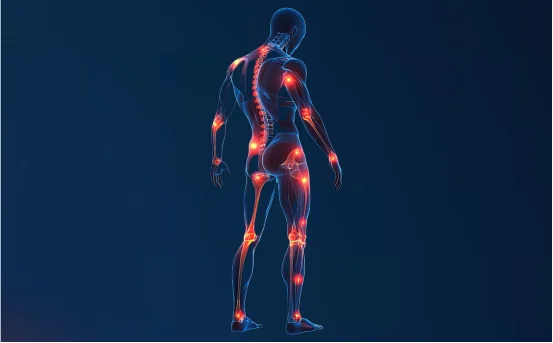
The spine is one of the most critical structures in the human body, providing support, flexibility, and protection for the spinal cord. A spinal fracture, also known as a vertebral fracture, occurs when one or more of the bones in the spine (vertebrae) break or collapse. This condition can range from minor injuries that heal with rest to severe fractures that require surgery and long-term rehabilitation. Understanding what is spinal fractures, their causes, symptoms, and treatment options is essential for timely diagnosis and effective management.
Anatomy of the Spine
The human spine consists of 33 vertebrae divided into five regions: cervical, thoracic, lumbar, sacral, and coccygeal. Each vertebra serves as a protective structure for the spinal cord and allows flexibility for movement. The vertebrae are separated by intervertebral discs, which act as shock absorbers. Any disruption in this structure, such as a fracture, can compromise stability and function, potentially leading to pain, deformity, or neurological problems.
Types of Spinal Fractures
Spinal fractures can vary in severity and type depending on the mechanism of injury and the location in the spine. The most common types include
- Compression Fracture :- This occurs when the vertebra collapses, often due to osteoporosis or trauma. It is most common in the thoracic and lumbar regions.
- Burst Fracture :- A more severe form of fracture where the vertebra breaks into multiple pieces, potentially damaging the spinal cord.
- Flexion-Distraction Fracture :- Caused by extreme forward bending, often seen in car accidents. It may involve damage to the posterior structures of the spine.
- Fracture-Dislocation :- This type involves both a vertebral fracture and displacement, leading to severe instability and higher risk of neurological injury.
- Pathological Fracture :- These fractures occur due to underlying medical conditions such as cancer, infections, or bone-weakening diseases like osteoporosis.
Causes of Spinal Fractures
Spinal fractures can result from a variety of traumatic and non-traumatic events. Common causes include
- Trauma :- High-impact accidents, such as falls, sports injuries, or car crashes, are leading causes of spinal fractures.
- Osteoporosis :- Weakening of the bones makes them more susceptible to fractures, even with minor stress or falls.
- Tumors :- Spinal tumors can weaken vertebrae, increasing the risk of fractures.
- Infections :- Conditions like osteomyelitis can compromise bone strength.
- Excessive Strain :- Repetitive stress on the spine, often seen in athletes or heavy laborers, may lead to stress fractures.
Symptoms of a Spinal Fracture
The symptoms of a spinal fracture vary depending on the type and severity of the injury. Common signs include
- Severe Back Pain: Sudden, intense pain in the back or neck is often the first symptom.
- Limited Mobility: Difficulty moving or bending the spine due to pain or instability.
- Numbness or Weakness: Compression or injury to the spinal cord or nerves may cause numbness, tingling, or weakness in the limbs.
- Deformity: Visible changes such as a hunched posture or misalignment of the spine.
- Loss of Bladder or Bowel Control: Severe fractures affecting the spinal cord can lead to neurological deficits.
Early recognition of these symptoms is crucial for preventing further damage and promoting proper healing.
Diagnosis of Spinal Fractures
Accurate diagnosis is essential for effective treatment of spinal fractures. The diagnostic process may include
- Physical Examination: Doctors assess posture, range of motion, and neurological function.
- X-Rays: Identify vertebral fractures and alignment issues.
- CT Scan (Computed Tomography): Provides detailed images of the bone structure and fracture pattern.
- MRI (Magnetic Resonance Imaging): Helps evaluate soft tissue, spinal cord involvement, and nerve damage.
- Bone Density Test: Often used for fractures suspected to be caused by osteoporosis.
Treatment Options for Spinal Fractures
Treatment depends on the type, severity, and location of the fracture, as well as the patient’s overall health. Options include
Non-Surgical Treatments
- Bracing: A back or neck brace helps immobilize the spine, allowing the bone to heal naturally.
- Medications: Pain relievers, anti-inflammatory drugs, and bone-strengthening medications can aid recovery.
- Physical Therapy: Strengthening muscles around the spine helps improve stability and flexibility after the fracture heals.
Surgical Treatments
Surgery may be necessary for severe or unstable fractures, or when there is neurological involvement
- Vertebroplasty and Kyphoplasty: Minimally invasive procedures to stabilize compression fractures using bone cement.
- Spinal Fusion: Joins two or more vertebrae together to prevent movement and provide stability.
- Decompression Surgery: Removes bone fragments or tissue pressing on the spinal cord or nerves.
- Instrumentation: Use of rods, screws, or plates to stabilize the spine.
Complications of Spinal Fractures
If left untreated, spinal fractures can lead to serious complications, including
- Chronic back pain and reduced mobility.
- Permanent nerve damage or paralysis.
- Spinal deformities like kyphosis (hunchback).
- Increased risk of future fractures due to weakened bones.
Prevention of Spinal Fractures
Preventing spinal fractures involves maintaining strong bones, proper posture, and safe practices
- Bone Health: Ensure adequate intake of calcium and vitamin D.
- Exercise: Weight-bearing exercises like walking, running, and strength training improve bone density.
- Safety Measures: Wear protective gear during sports and practice fall prevention strategies at home.
- Regular Check-ups: Early detection of osteoporosis or other conditions can prevent fractures.
When to See a Doctor
Immediate medical attention is necessary if you experience severe back pain after trauma, numbness, weakness in the limbs, or loss of bladder or bowel control. Early diagnosis and treatment can prevent long-term complications and improve recovery outcomes.
Conclusion
A spinal fracture is a serious condition that can significantly impact mobility, quality of life, and overall health. Understanding its types, causes, symptoms, and treatment options is essential for early intervention. Whether through non-surgical approaches or advanced surgical procedures, proper management can help restore function and prevent further complications. Maintaining bone health, practicing safety measures, and seeking timely medical care are key steps in preventing and effectively managing spinal fractures.