Introduction
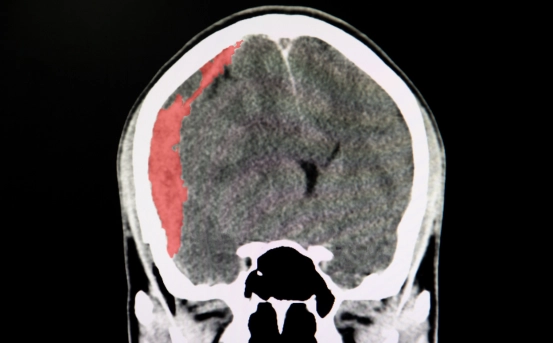
A subarachnoid hemorrhage (SAH) is a life-threatening condition caused by bleeding in the space between the brain and the surrounding membranes (the subarachnoid space). This area is filled with cerebrospinal fluid that cushions the brain. When bleeding occurs here often from a ruptured brain aneurysm it leads to a sudden rise in pressure around the brain, causing severe symptoms and requiring urgent medical attention. Subarachnoid hemorrhage surgery plays a crucial role in stopping the bleeding, preventing re-bleeding, and reducing complications.
What Is Subarachnoid Hemorrhage Surgery?
A subarachnoid hemorrhage occurs when a blood vessel near the brain bursts, causing blood to leak into the subarachnoid space. This bleeding irritates the brain tissue, increases pressure in the skull, and reduces the flow of oxygen-rich blood to the brain.
Common Causes of SAH
- Ruptured brain aneurysm (most common)
- Traumatic brain injury (e.g., road accidents, falls)
- Arteriovenous malformations (AVMs)
- Blood-thinning medications
- Bleeding disorders
- Illicit drug use (especially cocaine)
Why Is Surgery Needed for Subarachnoid Hemorrhage?
Surgery is often required to stop the bleeding and prevent recurrence. SAH is extremely dangerous because
- Re-bleeding can occur within hours, doubling the risk of death.
- Increased intracranial pressure can cause brain damage.
- Vasospasm (narrowing of blood vessels) may reduce blood flow to the brain.
- Hydrocephalus may develop when blood blocks normal cerebrospinal fluid drainage.
Surgery aims to secure the bleeding vessel, support brain function, and stabilize the patient.
Types of Subarachnoid Hemorrhage Surgery
There are two primary surgical approaches used to treat aneurysm-related SAH
- Surgical Clipping :- Surgical clipping is a traditional neurosurgical procedure performed through a craniotomy (opening the skull). It involves
- Making an incision in the scalp
- Removing a small part of the skull
- Identifying the ruptured aneurysm
- Placing a tiny metal clip at the neck of the aneurysm
This clip permanently stops blood flow into the aneurysm, preventing further bleeding. The clip stays in place for life.
- Advantages of Clipping
- Long-term durability
- Effective for aneurysms that are large or irregular
- Suitable for younger patients
- Challenges
- More invasive
- Longer recovery time
- Requires general anesthesia and open brain surgery
- Endovascular Coiling :- Endovascular coiling is a minimally invasive procedure done through the blood vessels. A catheter is inserted through the groin or wrist and guided to the aneurysm. Tiny platinum coils are then deployed inside the aneurysm, causing it to clot and seal off.
- Advantages of Coiling
- Less invasive
- Faster recovery
- Ideal for difficult-to-reach aneurysms
- Lower immediate complication risk
- Challenges
- Risk of recurrence
- May not be suitable for very large aneurysms
- Some patients require follow-up procedures
Additional Surgical Procedures for SAH Management
Besides aneurysm repair, patients may need additional procedures depending on complications
- External Ventricular Drain (EVD) :- Used to relieve pressure caused by hydrocephalus. A small tube drains excess cerebrospinal fluid from the brain.
- Decompressive Craniectomy :- Part of the skull is removed temporarily to reduce pressure. This may be needed in severe cases with brain swelling.
- Shunt Placement :- A ventriculoperitoneal (VP) shunt may be placed for long-term treatment of persistent hydrocephalus.
How Is the Surgery Performed?
- Before Surgery
- Emergency CT scan to confirm SAH
- CT angiography or cerebral angiography to locate the aneurysm
- Stabilization of blood pressure and breathing
- Pain management and medications to prevent vasospasm
- During Surgery :- The chosen technique (clipping or coiling) is performed by a neurosurgeon or interventional neuroradiologist. Duration may range from 1 to 4 hours depending on complexity.
- After Surgery :- Patients are transferred to the Neuro-ICU for monitoring. Key focus areas include
- Maintaining stable blood pressure
- Preventing vasospasm using medications like nimodipine
- Preventing seizures
- Managing pain and monitoring neurological function
Recovery After Subarachnoid Hemorrhage Surgery
Recovery varies depending on the severity of bleeding, patient age, and complications.
- Hospital Recovery :- Patients typically remain in the ICU for 10–14 days to monitor for vasospasm. Symptoms like headaches, nausea, and weakness are common.
- Long-Term Recovery
- Fatigue
- Memory problems
- Difficulty concentrating
- Sensitivity to light or noise
- Mood changes
With rehabilitation including physical therapy, occupational therapy, and cognitive therapy many patients regain independence over weeks to months.
Risks and Complications of SAH Surgery
While surgery is lifesaving, risks may include
- Infection
- Stroke
- Blood clots
- Vasospasm
- Seizures
- Re-bleeding (rare after treatment)
- Need for long-term shunt placement
However, the risk of not having surgery is far greater.
Prognosis After Subarachnoid Hemorrhage Surgery
Outcomes depend on
- How quickly the patient receives treatment
- The size and location of the aneurysm
- Patient’s overall health
- Amount of bleeding
- Presence of complications like vasospasm
With timely intervention, many patients recover well and return to normal life.
Conclusion
Subarachnoid hemorrhage is a medical emergency that requires immediate diagnosis and treatment. Surgery whether through clipping or endovascular coiling is essential to secure the ruptured aneurysm and prevent re-bleeding. Additional procedures may be needed to manage complications like hydrocephalus or brain swelling.