





Introduction
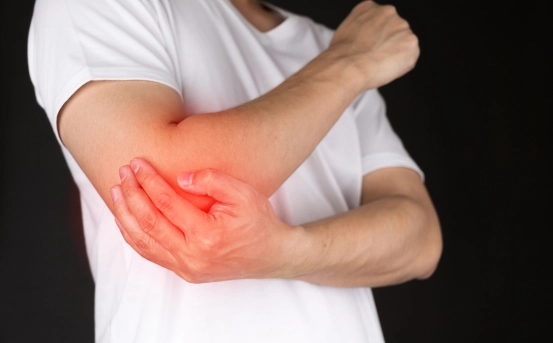
Tennis Elbow medically known as Lateral Epicondylitis is one of the most common causes of elbow pain, affecting millions of people worldwide. Despite the name, you don’t have to be a tennis player to suffer from it. In fact, nearly 90% of patients who develop Tennis Elbow have never played tennis at all. This condition happens when the tendons in your forearm become irritated or damaged due to repetitive arm movements, gripping, or twisting activities.
Understanding What is Tennis Elbow
Tennis Elbow is essentially an overuse injury. Repeated movement of the wrist and arm can cause tiny tears in the tendons that attach the forearm muscles to the outer elbow bone. Over time, these tears lead to inflammation, pain, and decreased strength in the arm.
It often affects
- People aged 30–50 years
- Individuals performing repetitive arm motions
- Workers who use gripping or twisting tools
- Athletes participating in racquet sports
The most commonly damaged tendon is the Extensor Carpi Radialis Brevis (ECRB), responsible for stabilizing the wrist during hand movements.
Common Causes of Tennis Elbow
Tennis Elbow develops from repetitive stress on the forearm muscles and tendons. Some of the major reasons include
- Repetitive Motions :- Activities that involve frequent wrist extension, twisting, or gripping increase strain on the tendons.
Examples
- Tennis, badminton, squash
- Weightlifting or gym workouts
- Frequent typing or computer mouse usage
- Playing musical instruments
- Carpentry, plumbing, painting
- Poor Technique or Posture :- Incorrect lifting techniques, improper sports form, or poor ergonomics can overload the forearm muscles.
- Sudden Strain :- A sudden, forceful motion like lifting something heavy unexpectedly can cause tendon microtears.
- Age-Related Degeneration :- As we get older, tendons naturally become weaker, making them more prone to injury.
Symptoms of Tennis Elbow
Tennis Elbow symptoms usually develop gradually and worsen with time. The most common signs include
- Pain on the Outer Side of the Elbow :- A sharp or burning pain around the bony bump on the elbow’s outer part is the classic symptom.
- Weak Grip Strength :- Activities like holding a cup, turning a doorknob, or shaking hands may feel difficult.
- Radiating Pain :- The discomfort may spread to the forearm and wrist.
- Pain During Specific Movements :- Symptoms worsen with
- Lifting objects
- Gripping or squeezing
- Twisting the wrist
- Using tools
- Playing racquet sports
- Stiffness in the Morning :- Many people observe that their elbow feels stiff or sore when they wake up.
Who Is at Risk?
While anyone can develop Tennis Elbow, certain individuals are more likely to experience it
- Athletes in racquet sports
- Carpenters, painters, plumbers
- Chefs and butchers
- Office workers doing repetitive typing
- Gardeners and manual laborers
- Musicians (violinists, guitarists)
The condition affects both genders equally but is more common between the ages of 35 and 50.
How Is Tennis Elbow Diagnosed?
Diagnosis is mainly clinical and doesn’t usually require complex tests.
- Physical Examination :- The doctor checks
- Location of pain
- Range of motion
- Grip strength
- Tenderness on the outer elbow
- Imaging Tests (If Needed) :- To rule out other conditions
- X-rays to exclude fractures or arthritis
- Ultrasound to detect tendon tears
- MRI for detailed tendon evaluation
Treatment Options for Tennis Elbow
Most cases of Tennis Elbow heal with non-surgical treatments, especially when diagnosed early. Recovery may take weeks to months depending on severity.
- Rest and Activity Modification :- Stopping or reducing activities that trigger pain helps the tendon heal.
- Cold or Heat Therapy
- Cold packs reduce swelling in acute phases
- Heat therapy improves blood flow during later stages
- Pain Relief Medications :- NSAIDs (like ibuprofen) help reduce pain and inflammation.
- Physiotherapy :- Physical therapy plays a major role in recovery and includes:
- Stretching exercises
- Strengthening of forearm muscles
- Manual therapy
- Ultrasound therapy
- Taping support
A therapist may also guide ergonomic corrections.
- Bracing or Elbow Support :- A counter-force brace reduces stress on the affected tendon by redistributing pressure.
- Shockwave Therapy :- High-energy sound waves stimulate tendon healing.
- PRP (Platelet-Rich Plasma) Injections :- Useful for chronic cases not responding to conservative treatment.
- Steroid Injections :- Provide temporary pain relief but are not recommended for long-term use.
- Surgery (Rare Cases) :- Only 5–10% of patients require surgery. Surgical options include
- Removal of damaged tendon tissue
- Tendon repair
- Minimally invasive procedures
Recovery from surgery usually takes several weeks with physiotherapy.
Home Remedies for Tennis Elbow
You can manage mild symptoms at home with
- R.I.C.E. Technique
- Rest
- Ice
- Compression
- Elevation
- Gentle Stretching :- Light forearm stretches improve flexibility and reduce tension.
- Warm-up Before Activities :- Always warm up your wrist and forearm before any sports or heavy work.
- Anti-inflammatory Foods :- Turmeric, ginger, berries, nuts, and leafy greens help reduce inflammation.
- Maintain Proper Ergonomics :- Correct posture while typing, using tools, or lifting objects prevents worsening.
How to Prevent Tennis Elbow
Prevention is always better than cure. Here are ways to reduce the risk
- Strengthen Forearm Muscles :- Regular strengthening exercises support your tendons.
- Improve Technique :– Whether in sports or at work, proper form reduces strain.
- Use the Right Equipment :- For athletes, choosing the right racquet grip size is crucial.
- Take Frequent Breaks :- Especially during repetitive tasks.
- Avoid Sudden Increase in Activity :– Gradually build intensity to avoid tendon overload.
When to See a Doctor?
You should consult a specialist if
- The pain persists for more than 2–3 weeks
- There is swelling or severe tenderness
- You cannot hold or lift objects
- Pain interferes with daily activities
- Symptoms worsen despite rest
Early diagnosis leads to faster recovery and prevents chronic complications.
Conclusion
Tennis Elbow is a common yet manageable condition that arises due to overuse of the forearm muscles and tendons. While it may cause persistent pain and affect your daily tasks, the condition generally responds well to rest, physiotherapy, bracing, and lifestyle modifications. Only a small percentage of people require surgery.



