Introduction
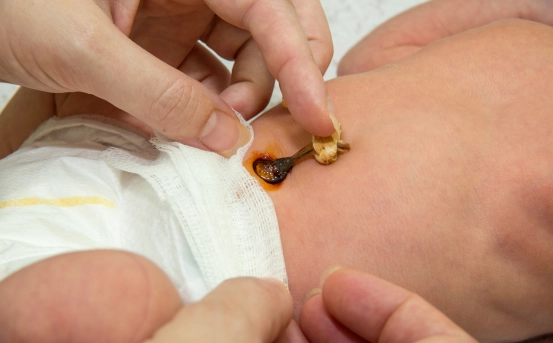
An umbilical hernia is a common condition in which a part of the intestine, fat, or fluid pushes through a weak spot near the belly button (navel). While many hernias are harmless initially, they can grow larger or cause complications if left untreated. Umbilical hernia surgery is the most effective and permanent treatment to repair the weakened abdominal wall and prevent recurrence. In this guide, we explain what the surgery involves, why it is needed, how it is performed, and what patients can expect during recovery.
Understanding What is a umbilical hernia surgery
The umbilicus (belly button) is a natural weak area in the abdominal wall. When abdominal pressure increases due to obesity, pregnancy, chronic coughing, or heavy lifting this weak point may expand, creating a bulge. In adults, umbilical hernias do not typically heal on their own and often require surgical repair.
Common Symptoms of an Umbilical Hernia
- A soft bulge or swelling near the belly button
- Pain or discomfort while coughing, bending, or lifting
- Occasional sharp pain if the hernia gets trapped
- Increased bulge size over time
If the hernia becomes painful, discolored, or firm, it may indicate strangulation, a medical emergency requiring immediate surgery.
What Is Umbilical Hernia Surgery?
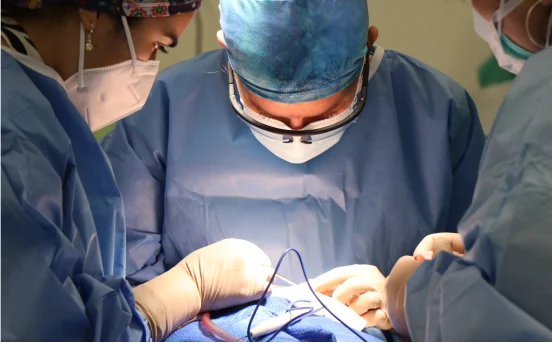
Umbilical hernia surgery, also known as umbilical hernia repair, is a procedure where a surgeon places the protruding tissue back into the abdomen and strengthens the abdominal wall. This surgery prevents complications, relieves discomfort, and reduces the risk of the hernia coming back. The surgery is performed under local, regional, or general anesthesia, depending on the patient’s condition and the size of the hernia.
Types of Umbilical Hernia Surgery
There are two main types of surgical repair
- Open Umbilical Hernia Repair :- This is the traditional and most commonly used technique.
How it works:
- A small incision is made near the belly button
- The protruding tissue is gently pushed back into the abdominal cavity
- The defect in the muscle wall is closed using sutures
- A surgical mesh may be placed for additional reinforcement
Open repair is highly effective and suitable for most adults with medium to large hernias.
- Laparoscopic Umbilical Hernia Repair :- This minimally invasive surgery uses tiny incisions and a camera.
Procedure overview
- Several small cuts are made in the abdomen
- A laparoscope (camera) provides a magnified view for the surgeon
- Mesh is placed over the hernia defect internally
- Recovery is faster with less discomfort
Laparoscopic surgery is ideal for large hernias, recurrent hernias, or for patients who prefer quicker recovery.
Who Needs Umbilical Hernia Surgery?
Doctors may recommend surgery if
- The hernia causes pain or discomfort
- The bulge is growing in size
- The hernia does not reduce on its own
- There is a risk of strangulation
- The hernia affects daily activities or physical tasks
In adults, umbilical hernias rarely heal without surgical intervention, making repair the standard treatment option.
Benefits of Umbilical Hernia Surgery
- Permanent repair of the defect
- Relief from pain and swelling
- Prevention of serious complications
- Improved quality of life and mobility
- Low risk of recurrence, especially with mesh repair
- Short recovery time (most return to normal activities within 2–3 weeks)
What to Expect Before Surgery
Before the procedure, your surgeon will conduct:
- A physical examination
- Imaging tests if needed (ultrasound or CT scan)
- Blood tests to assess fitness for surgery
You will be advised to avoid eating or drinking several hours before the surgery and may be asked to stop certain medications temporarily.
How Is the Surgery Performed?
Most umbilical hernia surgeries take 30–60 minutes. During the operation
- An incision is made near the hernia site
- Herniated tissue is repositioned inside the abdomen
- The muscle opening is sutured
- Mesh may be placed for reinforcement (especially for larger hernias)
- The incision is closed and covered with a sterile dressing
The use of mesh significantly reduces the chance of hernia recurrence.
Recovery After Umbilical Hernia Surgery
Most patients go home the same day. Here’s what recovery generally looks like
- First Few Days
- Mild discomfort, swelling, or bruising around the incision
- Pain medication and antibiotics may be prescribed
- Light walking is encouraged to improve blood circulation
- 1–2 Weeks
- Patients can resume desk work or light activities
- Avoid heavy lifting, strenuous exercise, and bending
- 3–4 Weeks
- Most people return to normal routines
- Strenuous workouts should still be avoided unless cleared by the surgeon
- 6 Weeks
- Full recovery for most patients
- You can resume exercise, weight training, and heavy lifting after doctor approval
Risks and Complications
Though umbilical hernia surgery is safe, potential risks include
- Infection
- Bleeding
- Seroma (fluid collection)
- Mesh-related issues (rare)
- Hernia recurrence
Choosing an experienced surgeon significantly lowers these risks.
Conclusion
Umbilical hernia surgery is a safe and effective procedure that provides long-term relief from pain and prevents serious complications. Whether performed through open or laparoscopic technique, it strengthens the abdominal wall and restores comfort. If you notice a bulge near your navel or experience persistent discomfort, consulting a specialist can help you determine the right time for surgery. Early evaluation ensures better outcomes and faster recovery.