Introduction
Heart diseases remain one of the leading causes of mortality worldwide, prompting significant advancements in cardiovascular surgery. Among these innovations is Valve Sparing Surgery (VSS), a revolutionary technique that allows patients to maintain their natural heart valve while treating life-threatening conditions like aortic aneurysms. This procedure not only addresses structural problems in the heart but also preserves long-term cardiac function, offering patients a safer and more sustainable alternative to traditional valve replacement surgery.
What is Valve Sparing Surgery?
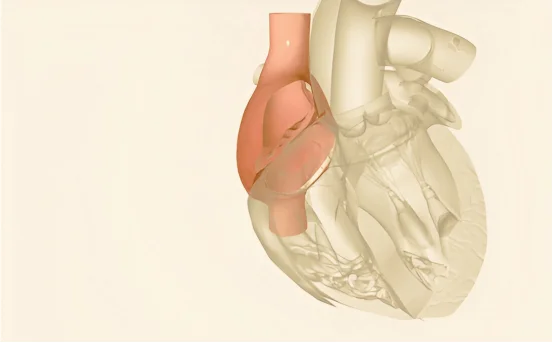
Valve Sparing Surgery is a specialized cardiac procedure aimed at repairing and preserving the patient’s own aortic valve rather than replacing it with a mechanical or biological prosthesis. Traditional aortic surgeries often require full valve replacement, which can lead to lifelong dependence on blood thinners, higher risks of infection, and potential complications from prosthetic valves. In contrast, valve sparing techniques focus on retaining the native valve while correcting associated structural issues, especially problems in the aortic root or ascending aorta.
In essence, VSS is an approach that repairs the aorta or surrounding structures while keeping the patient’s original valve intact, allowing for natural blood flow and reducing long-term complications. This technique is particularly beneficial for patients with connective tissue disorders, such as Marfan syndrome, or those with aneurysms affecting the aortic root.
How Valve Sparing Surgery Works
Valve Sparing Surgery is a technically demanding procedure that requires precision and expertise. Here’s a step-by-step overview of how it typically works:
- Diagnosis and Preoperative Planning: Advanced imaging techniques like echocardiography, CT scans, and MRI are used to assess the structure of the aortic root and valve. Surgeons evaluate whether the valve is healthy enough to be preserved.
- Accessing the Heart: The procedure is performed under general anesthesia. A median sternotomy (opening of the chest) is usually required to provide access to the heart.
- Cardiopulmonary Bypass: To ensure a bloodless and stable operating field, the patient is placed on a heart-lung machine, which temporarily takes over the function of the heart and lungs.
- Valve Preservation: The surgeon carefully dissects the aortic root and identifies the native valve. Damaged or dilated portions of the aorta are repaired or replaced using grafts, while the valve leaflets are preserved.
- Reconstruction: Techniques such as reimplantation or remodeling are used to stabilize the valve. In reimplantation, the valve is sewn into a synthetic graft, providing support to prevent future dilation. Remodeling reshapes the aortic root while keeping the valve functional.
- Completion and Recovery: Once the repair is complete, the patient is weaned off the bypass machine, and the chest is closed. Postoperative care includes monitoring for arrhythmias, bleeding, and valve function.
Types of Valve Sparing Surgery
Valve Sparing Surgery is broadly categorized into two main techniques:
- David Procedure (Reimplantation Technique): This method involves placing the patient’s aortic valve inside a synthetic tube graft, which provides support to prevent future valve dilation. It is particularly effective for patients with connective tissue disorders and is known for excellent long-term durability.
- Yacoub Procedure (Remodeling Technique): In this approach, the aortic root is reshaped to its normal dimensions while preserving the valve. This technique allows for more natural valve dynamics but may be less durable in patients at high risk of root dilation.
The choice of procedure depends on the patient’s anatomy, age, and overall health, as well as the surgeon’s expertise.
Benefits of Valve Sparing Surgery
Valve Sparing Surgery offers multiple advantages over traditional valve replacement, making it an attractive option for eligible patients:
- Preservation of Natural Valve Function: The patient retains their own valve, which maintains normal blood flow and reduces the risk of long-term complications.
- Avoidance of Lifelong Anticoagulation: Unlike mechanical valve replacements, patients usually do not require long-term blood thinners, lowering the risk of bleeding or thromboembolic events.
- Lower Risk of Infection: Natural valves are less prone to infection compared to prosthetic valves.
- Better Quality of Life: With preserved valve function, patients experience improved exercise tolerance, fewer restrictions, and a more natural heart function.
- Durability: Long-term studies have shown that preserved valves can last decades when surgery is performed by experienced cardiac surgeons.
- Reduced Reoperation Rates: Properly performed VSS has lower rates of reintervention compared to biological valve replacements.
Who is a Candidate for Valve Sparing Surgery?
Valve Sparing Surgery is not suitable for every patient, but it is ideal for those with:
- Aortic Root Aneurysms: Enlargement of the aorta near the heart.
- Marfan Syndrome or Other Connective Tissue Disorders: Conditions that increase the risk of aortic root dilation.
- Normal or Repairable Aortic Valves: The valve must be structurally sound for preservation.
- Younger Patients: Those who wish to avoid the complications associated with mechanical valves and long-term anticoagulation.
Your cardiologist and cardiac surgeon will perform a detailed evaluation using imaging studies and physical assessments to determine whether you are a suitable candidate.
Recovery and Postoperative Care
Recovery after Valve Sparing Surgery involves both hospital and home-based care. Key aspects include:
- Hospital Stay: Typically ranges from 5 to 10 days depending on the complexity of the surgery and patient’s overall health.
- Medication Management: Pain control, anti-inflammatory medications, and temporary anticoagulants may be prescribed.
- Follow-Up Monitoring: Regular echocardiograms and check-ups are necessary to monitor valve function and detect any complications early.
- Lifestyle Adjustments: Gradual return to physical activity is encouraged, alongside heart-healthy diet and lifestyle modifications.
Most patients return to normal activities within a few months, enjoying improved heart function and quality of life.
Risks and Considerations
While Valve Sparing Surgery has numerous benefits, it is not without risks:
- Bleeding or Infection: Common surgical risks, though minimized in expert centers.
- Valve Leakage or Regurgitation: In some cases, the preserved valve may develop leaks over time.
- Arrhythmias: Temporary irregular heart rhythms can occur postoperatively.
- Reoperation: Rarely, patients may need additional surgery if valve function declines.
However, with skilled surgeons and proper postoperative care, these risks remain low, and outcomes are generally excellent.
The Future of Valve Sparing Surgery
Valve Sparing Surgery represents a major advancement in cardiac care. Ongoing research is focused on improving surgical techniques, enhancing graft materials, and exploring minimally invasive approaches. With continued innovation, VSS promises even safer and more durable outcomes, making it an increasingly preferred choice for patients with aortic root diseases.
Conclusion
Valve Sparing Surgery offers a life-changing option for patients with aortic root problems, allowing them to preserve their natural heart valve while correcting potentially life-threatening conditions. By maintaining normal valve function, reducing complications, and enhancing long-term heart health, this procedure exemplifies the cutting-edge progress in cardiovascular surgery.
For patients diagnosed with aortic root aneurysms or valve issues, consulting with an experienced cardiac surgeon is essential. With proper evaluation and expert care, Valve Sparing Surgery can transform lives, offering both longevity and quality of life.