Introduction
Chemotherapy is a common and critical treatment for various types of cancer. While it plays a significant role in controlling and eradicating cancer cells, the administration of chemotherapy drugs requires precision, safety, and efficiency. One of the most important aspects of delivering chemotherapy effectively is vascular access. Understanding what is vascular access for chemotherapy, its types, benefits, and care can help patients feel more informed and comfortable during treatment.
What is Vascular Access for Chemotherapy?
Vascular access refers to the process of establishing a route into a patient’s bloodstream to administer medications, fluids, or nutrients. In the context of chemotherapy, vascular access is used to deliver cancer-fighting drugs directly into the bloodstream. This method allows chemotherapy drugs to reach the cancer cells efficiently while minimizing damage to surrounding tissues.
Chemotherapy drugs are often potent and can irritate or damage veins if delivered through small peripheral veins repeatedly. Therefore, specialized vascular access devices (VADs) are used to ensure safe, long-term, and reliable treatment. These devices reduce the risk of complications, such as vein inflammation, infection, and repeated needle sticks.
Types of Vascular Access for Chemotherapy
There are several types of vascular access devices commonly used for chemotherapy, and the choice depends on the patient’s treatment plan, vein condition, and duration of therapy.
- Peripheral IV (Intravenous) Line :- Peripheral IV lines are the most common and involve inserting a small catheter into a vein, usually in the hand or arm. While suitable for short-term or less toxic chemotherapy, peripheral IVs are not ideal for long-term therapy because repeated insertion can damage veins and cause discomfort.
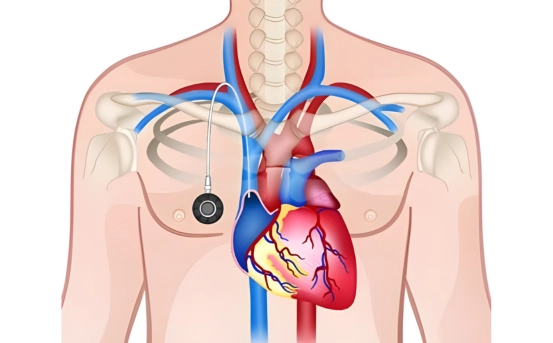
- Central Venous Catheter (CVC) :- Central venous catheters are inserted into a large vein in the chest or neck and can stay in place for weeks or months. They allow for the administration of chemotherapy, blood products, and other medications without repeated needle sticks. Central lines are also used for blood draws, reducing discomfort and inconvenience for patients.
- Peripherally Inserted Central Catheter (PICC Line) :- A PICC line is inserted through a vein in the arm and threaded to a larger vein near the heart. It is a popular option for patients requiring medium to long-term chemotherapy. PICC lines are relatively easy to insert and remove, and they are suitable for patients who need frequent intravenous therapy at home or in a clinic setting.
- Implantable Port (Port-a-Cath) :- An implantable port, or port-a-cath, is a small device placed under the skin of the chest. A catheter connects the port to a central vein. Ports are ideal for long-term chemotherapy because they require minimal maintenance, reduce the risk of infection, and allow patients to live more comfortably between treatments. They are accessed using a special needle through the skin.
Benefits of Vascular Access Devices
Using a vascular access device during chemotherapy offers several advantages for patients and healthcare providers alike.
- Reduced Vein Damage: Chemotherapy drugs are often harsh on veins. VADs minimize repeated punctures and irritation, preserving vein integrity.
- Efficient Drug Delivery: Central access ensures that drugs enter the bloodstream quickly and effectively, maximizing treatment efficacy.
- Fewer Needle Sticks: Devices like PICC lines and ports reduce the need for repeated needle insertions, making treatment less painful and stressful.
- Long-Term Use: Some devices, such as ports and central lines, can remain in place for months, supporting prolonged chemotherapy regimens without repeated insertions.
- Versatility: Many VADs can be used for blood draws, transfusions, and other medications, reducing the need for multiple access points.
How Vascular Access is Placed
The procedure for placing a vascular access device depends on the type.
- Peripheral IV: Usually inserted by a nurse in a clinic or hospital using aseptic techniques.
- PICC Line: Placed by a trained nurse or interventional radiologist using ultrasound guidance to ensure proper vein selection.
- Central Line or Port: Inserted by a surgeon or interventional radiologist under local anesthesia and sometimes mild sedation. Imaging tools such as X-rays or ultrasound ensure the catheter is correctly positioned near the heart.
After insertion, the device is checked for proper function and any complications such as bleeding or infection are monitored.
Care and Maintenance of Vascular Access Devices
Proper care is critical to prevent infection and ensure the longevity of the device. Patients and caregivers should follow the healthcare team’s instructions carefully.
- Regular Cleaning: The insertion site must be cleaned with antiseptic solutions as instructed by healthcare providers.
- Dressing Changes: Sterile dressings should be changed regularly to prevent infection.
- Flushing: Catheters often need to be flushed with saline or heparin solution to maintain patency and prevent clot formation.
- Monitoring: Patients should watch for signs of infection such as redness, swelling, or fever, and report them immediately.
- Lifestyle Precautions: Patients may need to avoid certain activities that could dislodge the device or increase infection risk, like swimming in public pools.
Potential Risks and Complications
While vascular access devices significantly improve chemotherapy administration, there are some risks to be aware of:
- Infection: Any device that enters the bloodstream carries a risk of infection, which can be serious if not treated promptly.
- Blood Clots: Catheters can sometimes cause blood clots in the veins, leading to swelling or pain.
- Device Malfunction: Rarely, a catheter may move out of place or become blocked, requiring repositioning or replacement.
- Skin Irritation or Bruising: Some patients may experience minor bruising or irritation around the insertion site.
Healthcare providers take extensive precautions to minimize these risks, and with proper care, complications are uncommon.
Choosing the Right Vascular Access
Selecting the right vascular access device is a collaborative decision between the patient and the oncology team. Factors considered include:
- Type and duration of chemotherapy
- Condition and accessibility of veins
- Patient lifestyle and preference
- Risk factors for infection or clot formation
Healthcare providers will explain all available options, the procedure for placement, and maintenance requirements, helping patients make an informed decision.
Conclusion
Vascular access for chemotherapy is an essential part of cancer care. It enables safe, efficient, and effective delivery of life-saving medications while minimizing discomfort and complications. From peripheral IVs to implantable ports, each type of vascular access device has its benefits and specific uses depending on the patient’s treatment plan.
Proper care, maintenance, and timely monitoring are crucial to ensure the longevity of the device and the safety of the patient. With the support of an experienced oncology team, vascular access can make the chemotherapy journey smoother, less painful, and more manageable.